What routes are used for Kilimanjaro climb?
April 19, 2026
How Many Days Does Kilimanjaro Climb Take?
April 19, 2026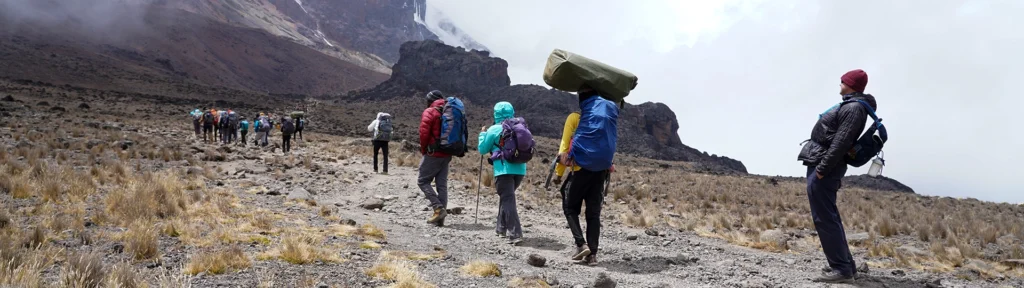
Understanding the difficulty of climbing Mount Kilimanjaro
How Difficult Is Climbing Mount Kilimanjaro? This is one of the most frequently asked questions by travelers planning adventure-focused Tanzania Safaris. Rising dramatically above the plains of northern Tanzania, the iconic Mount Kilimanjaro is Africa’s highest peak and one of the world’s most famous trekking destinations. Unlike traditional Tanzania Safaris that involve game drives, this experience focuses on endurance, altitude adaptation, and multi-day mountain trekking.
Exploring Kilimanjaro is considered a highlight of Tanzania Best Safari experiences for adventure seekers who want to combine physical challenge with breathtaking natural scenery. The mountain offers diverse ecological zones ranging from tropical rainforest to alpine desert and icy summit conditions, making every stage of the climb a unique journey through changing environments.
Understanding How Difficult Is Climbing Mount Kilimanjaro? is essential for proper preparation, as the challenge is not technical climbing but rather altitude gain and physical stamina. Thousands of trekkers attempt the ascent each year, but success depends heavily on fitness level, route selection, and acclimatization strategy.
Tanzania Uganda Safaris provides expertly guided Kilimanjaro expeditions that ensure safety, comfort, and professional support throughout the climb. When combined with Tanzania Cultural Safaris, Tanzania Birding Safaris, or Tanzania Beach Safaris, the journey becomes a complete East African adventure that blends challenge, discovery, and relaxation.
What Makes Climbing Mount Kilimanjaro Physically Demanding?
How Difficult Is Climbing Mount Kilimanjaro? The challenge of ascending Mount Kilimanjaro lies primarily in altitude rather than technical climbing skills. As trekkers ascend toward the summit, oxygen levels decrease significantly, making breathing more difficult and increasing the risk of altitude sickness.
Climbers experience rapid environmental changes across different zones, starting from lush rainforest and progressing through heath, moorland, alpine desert, and finally the arctic summit. Each zone presents unique physical demands that require steady endurance and mental resilience.
Daily trekking distances vary depending on the chosen route, with hikes typically lasting between five to eight hours per day. This steady progression is designed to support acclimatization, which is essential for a successful Tanzania Best Safari climbing experience.
Weather conditions also add to the difficulty. Temperatures can vary dramatically, from hot and humid conditions at the base to freezing winds near the summit. Proper gear and preparation are therefore essential for comfort and safety.
Understanding How Difficult Is Climbing Mount Kilimanjaro? helps travelers prepare for both physical exertion and environmental challenges while appreciating the rewarding journey to Africa’s highest point.
Which Routes Are Best for Climbing Mount Kilimanjaro?
How Difficult Is Climbing Mount Kilimanjaro? The level of difficulty varies depending on the chosen route on Mount Kilimanjaro. Several established routes offer different durations, scenery, and success rates, allowing trekkers to select an option that matches their fitness and experience.
The Marangu Route is often considered the most straightforward path due to its hut accommodation and shorter duration. However, its rapid ascent makes acclimatization more challenging for some climbers.
The Machame Route, known as the “Whiskey Route,” offers a more gradual ascent and better acclimatization opportunities, making it one of the most popular choices for Tanzania Safaris adventure travelers.
The Lemosho Route provides a longer and more scenic journey, increasing the chances of reaching the summit successfully. This route is highly recommended for those seeking a balanced Tanzania Best Safari trekking experience.
The Rongai Route approaches the mountain from the north and is known for being less crowded and drier, offering a quieter climbing experience.
Understanding How Difficult Is Climbing Mount Kilimanjaro? becomes clearer when selecting the right route based on fitness level, time availability, and trekking preference.
How Important Is Altitude Acclimatization on Kilimanjaro?
How Difficult Is Climbing Mount Kilimanjaro? Altitude acclimatization is one of the most critical factors affecting success on Mount Kilimanjaro. As elevation increases, oxygen levels decrease, making it essential for climbers to adjust gradually.
Proper acclimatization involves ascending slowly, taking rest days, and maintaining a steady pace known as “pole pole,” a Swahili phrase meaning “slowly, slowly.” This approach significantly improves summit success rates.
Symptoms of altitude sickness may include headaches, fatigue, or nausea, which is why guided support is essential during Tanzania Safaris trekking experiences. Professional guides monitor health conditions and adjust the pace when necessary.
Longer routes are generally recommended because they allow more time for acclimatization, increasing the likelihood of reaching Uhuru Peak successfully. This makes planning a key factor in Tanzania Best Safari climbing adventures.
Understanding How Difficult Is Climbing Mount Kilimanjaro? highlights that success depends less on strength and more on patience, preparation, and altitude management.
When Is the Best Time to Climb Mount Kilimanjaro?
How Difficult Is Climbing Mount Kilimanjaro? Seasonal conditions greatly influence trekking difficulty on Mount Kilimanjaro. The best time to climb is during the dry seasons, from January to March and June to October.
During these months, trails are more stable, weather conditions are clearer, and summit visibility is significantly improved. These factors enhance both safety and overall enjoyment of Tanzania Safaris trekking experiences.
The rainy seasons from April to May and November present more challenging conditions, including slippery trails and reduced visibility. However, these periods offer quieter routes and lush green landscapes for experienced trekkers.
Choosing the right season ensures better acclimatization conditions and higher summit success rates. This is a key factor when planning a Tanzania Best Safari climbing itinerary.
Understanding How Difficult Is Climbing Mount Kilimanjaro? includes recognizing how weather patterns impact physical effort and trekking safety.
Why Choose Tanzania Uganda Safaris for Your Tanzania Best Safari?
How Difficult Is Climbing Mount Kilimanjaro? Selecting a professional operator is essential for a safe and successful climb. Tanzania Uganda Safaris specializes in organizing expertly guided Tanzania Safaris that include Kilimanjaro trekking, wildlife exploration, and cultural experiences.
Partnering with Tanzania Uganda Safaris ensures access to certified mountain guides, well-structured itineraries, and high-quality safety equipment on Mount Kilimanjaro expeditions. Each climb is carefully designed to maximize acclimatization and summit success.
Combining Kilimanjaro trekking with Tanzania Cultural Safaris, Tanzania Birding Safaris, and Tanzania Beach Safaris creates a complete East African adventure. This integrated approach defines a true Tanzania Best Safari experience.
Understanding How Difficult Is Climbing Mount Kilimanjaro? becomes easier when guided by experts who prioritize safety, preparation, and personalized support. Tanzania Uganda Safaris remains committed to delivering world-class trekking experiences that position Tanzania as a leading global adventure destination.