Understanding the difficulty of climbing Mount Kilimanjaro
April 19, 2026
Best time to climb Kilimanjaro
April 19, 2026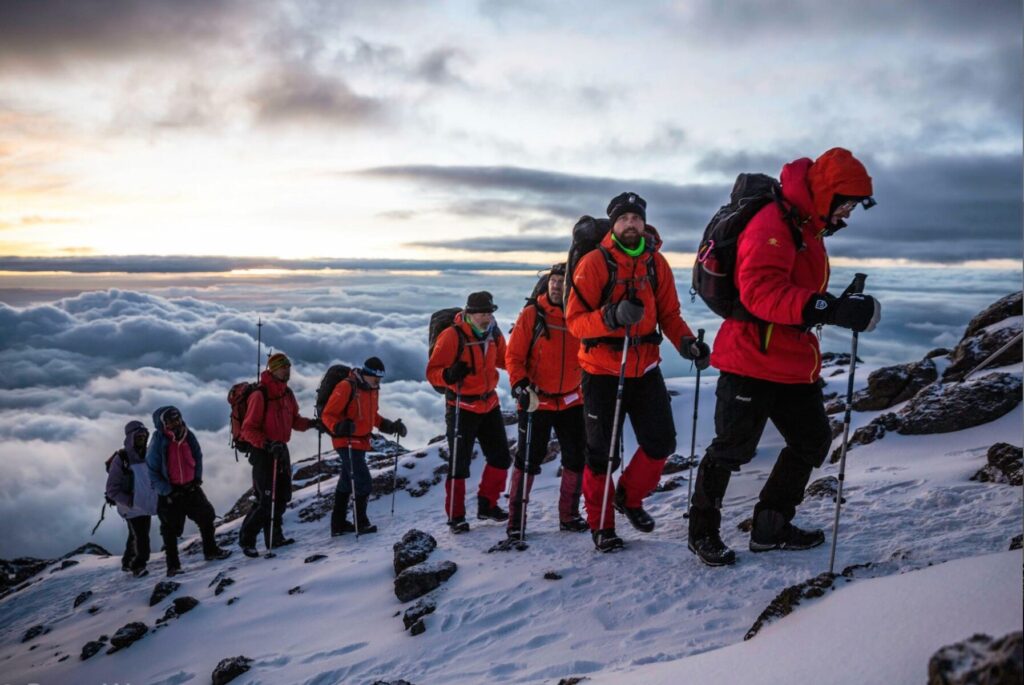
How Many Days Does Kilimanjaro Climb Take?
How Many Days Does Kilimanjaro Climb Take? This is one of the most important planning questions for travelers preparing for high-altitude Tanzania Safaris. Rising proudly above northern Tanzania, the Mount Kilimanjaro is Africa’s tallest peak and a globally recognized trekking destination. Unlike traditional wildlife-based Tanzania Safaris, this journey requires several days of continuous hiking, gradual altitude gain, and careful acclimatization to reach the summit successfully.
Exploring Kilimanjaro is considered one of the most rewarding Tanzania Best Safari adventures for trekkers seeking both physical challenge and natural beauty. The climb is not a single-day hike but a multi-day expedition that typically ranges between five and nine days depending on the chosen route, fitness level, and acclimatization strategy.
Understanding How Many Days Does Kilimanjaro Climb Take? is essential because duration directly influences summit success rates. Longer itineraries provide better adaptation to altitude changes, increasing the chances of reaching Uhuru Peak safely. Each additional day allows trekkers to adjust to thinning oxygen levels while enjoying diverse landscapes across rainforest, moorland, alpine desert, and glacial zones.
Tanzania Uganda Safaris designs professionally guided Kilimanjaro expeditions that balance safety, comfort, and success. When combined with Tanzania Cultural Safaris, Tanzania Birding Safaris, or Tanzania Beach Safaris, the journey becomes a complete East African experience that blends adventure, culture, and relaxation.
Why Does Kilimanjaro Climb Duration Vary?
How Many Days Does Kilimanjaro Climb Take? The duration of a climb on Mount Kilimanjaro varies depending on the route selected and the level of acclimatization required. Each route offers a different balance of scenery, difficulty, and time commitment, making planning an essential part of Tanzania Safaris trekking experiences.
Shorter routes may take around five to six days, offering faster ascents but lower acclimatization success rates. These options are suitable for experienced trekkers with strong physical conditioning, though they carry a higher risk of altitude-related challenges.
Longer routes typically extend between seven and nine days, allowing climbers to ascend gradually and adjust to changing oxygen levels. This slower pace significantly improves summit success and is highly recommended for most Tanzania Best Safari trekking travelers.
Environmental conditions such as weather, trail conditions, and individual pace also influence the total number of days required. Guided itineraries are carefully structured to ensure safety while maximizing the climbing experience.
Understanding How Many Days Does Kilimanjaro Climb Take? helps travelers choose a route that aligns with both fitness level and desired experience outcome.
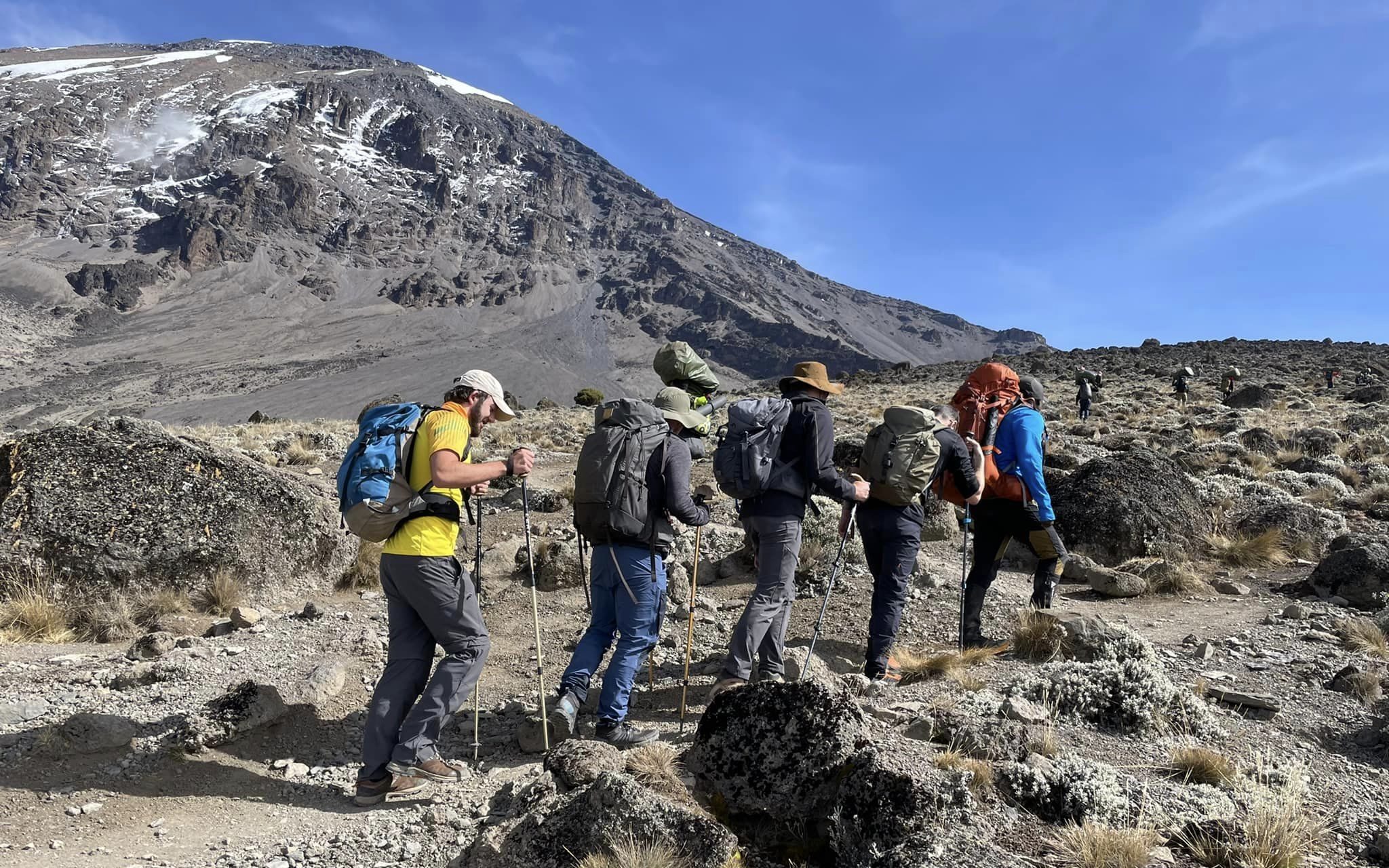
What routes are used for Kilimanjaro climb
What Are the Most Recommended Kilimanjaro Climb Durations?
How Many Days Does Kilimanjaro Climb Take? The most commonly recommended duration for climbing Mount Kilimanjaro is between six and eight days, depending on the route and acclimatization needs.
The Machame Route typically takes six to seven days and is widely regarded as one of the most scenic and balanced options for Tanzania Safaris trekkers. It offers a gradual ascent and improved summit success rates compared to shorter routes.
The Lemosho Route usually spans seven to eight days, providing one of the best acclimatization profiles and breathtaking scenery across remote wilderness areas. This makes it a top choice for Tanzania Best Safari adventure seekers.
The Marangu Route, often completed in five to six days, is the shortest option and features hut accommodations. While convenient, it provides less time for acclimatization, making it more physically demanding in terms of altitude adjustment.
The Rongai Route typically lasts six to seven days and offers a quieter, drier approach to the mountain, making it suitable for travelers seeking a less crowded experience.
Understanding How Many Days Does Kilimanjaro Climb Take? allows travelers to match their expectations with the right trekking itinerary for a safe and rewarding ascent.
Why Is Longer Duration Better for Summit Success?
How Many Days Does Kilimanjaro Climb Take? Longer trekking durations on Mount Kilimanjaro significantly increase the probability of reaching the summit successfully. This is primarily due to improved acclimatization, which allows the body to adapt gradually to decreasing oxygen levels.
Ascending too quickly increases the risk of altitude sickness, which can lead to early descent and unsuccessful summit attempts. Extended itineraries reduce this risk by incorporating rest days and slower elevation gains.
Guides often recommend longer routes as part of professional Tanzania Safaris climbing strategies, ensuring climbers maintain steady energy levels throughout the journey. These extra days provide opportunities for short acclimatization hikes, which enhance physical adaptation.
The slower pace also allows trekkers to fully appreciate the changing landscapes, from dense rainforest to volcanic terrain and icy summit zones. This enriches the overall Tanzania Best Safari experience.
Understanding How Many Days Does Kilimanjaro Climb Take? emphasizes that success depends more on patience and pacing than speed.
When Is the Best Time to Climb Mount Kilimanjaro?
How Many Days Does Kilimanjaro Climb Take? Seasonal timing influences both trekking conditions and duration efficiency on Mount Kilimanjaro. The best climbing periods are during the dry seasons, from January to March and June to October.
During these months, trails are more stable, weather conditions are clearer, and visibility improves significantly. These factors enhance safety and comfort throughout Tanzania Safaris trekking experiences.
Rainy seasons from April to May and November bring wetter and more challenging trail conditions, which may slow progress and increase difficulty. However, these periods offer quieter routes and lush scenery for experienced trekkers.
Choosing the right season ensures optimal climbing conditions and supports better acclimatization, which is essential for a successful Tanzania Best Safari summit attempt.
Understanding How Many Days Does Kilimanjaro Climb Take? includes recognizing how seasonal weather affects pace, safety, and overall trekking experience.
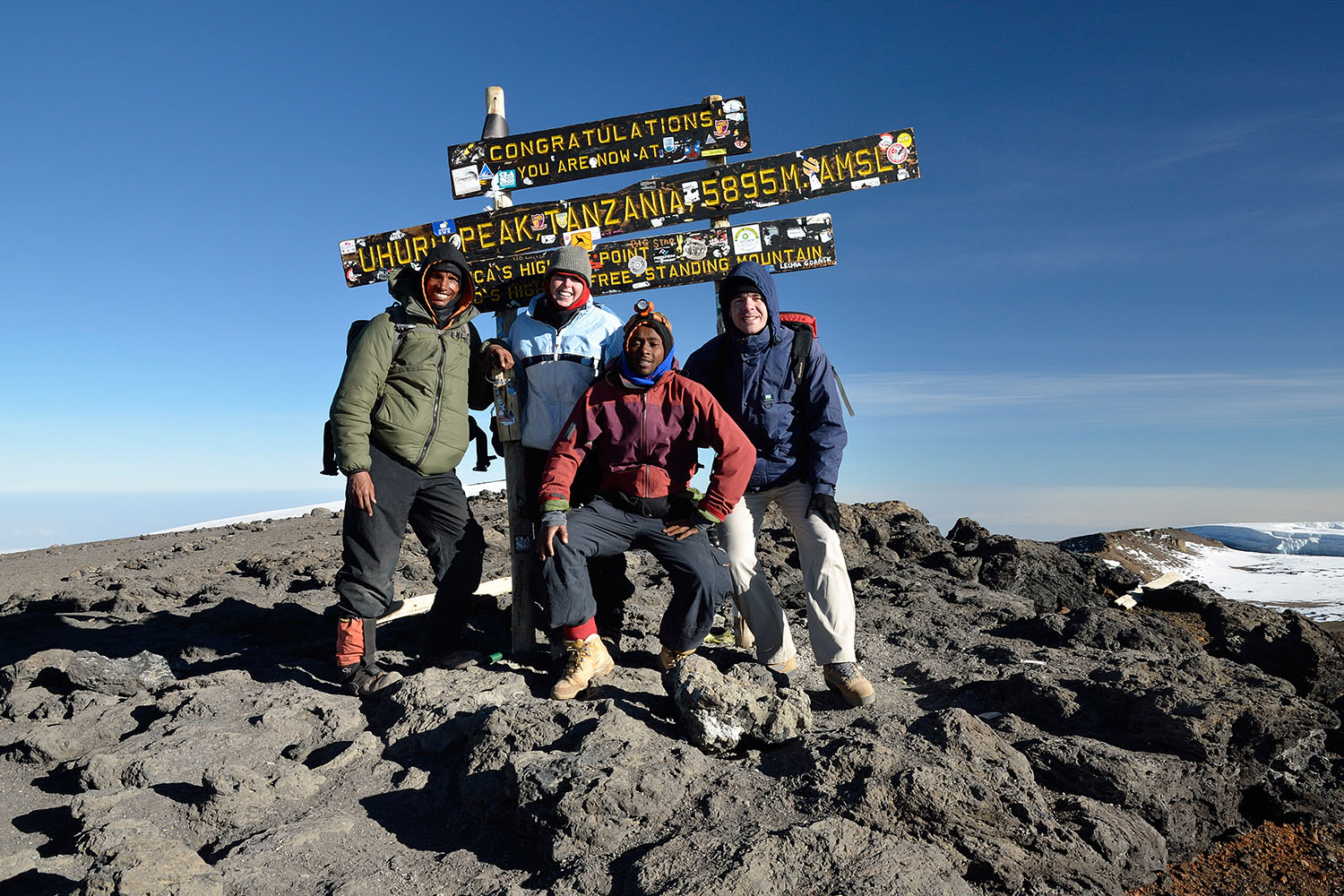
Mount Kilimanjaro National Park
Why Choose Tanzania Uganda Safaris for Your Tanzania Best Safari?
How Many Days Does Kilimanjaro Climb Take? Selecting a trusted operator ensures a well-planned and safe trekking experience. Tanzania Uganda Safaris specializes in organizing professionally guided Tanzania Safaris that include expertly structured Kilimanjaro climbs.
Partnering with Tanzania Uganda Safaris guarantees carefully designed itineraries that prioritize acclimatization, safety, and summit success on Mount Kilimanjaro. Each climb is tailored to match traveler fitness levels and preferred duration.
Combining Kilimanjaro trekking with Tanzania Cultural Safaris, Tanzania Birding Safaris, and Tanzania Beach Safaris creates a complete and diverse East African journey. This approach defines a true Tanzania Best Safari experience.
Understanding How Many Days Does Kilimanjaro Climb Take? becomes more meaningful with expert guidance that ensures proper pacing, preparation, and support. Tanzania Uganda Safaris remains committed to delivering world-class trekking experiences that establish Tanzania as a leading global adventure destination.