
How Do I Travel to Pemba Island?
April 18, 2026
Is Pemba Island Good for Diving Tourism?
April 18, 2026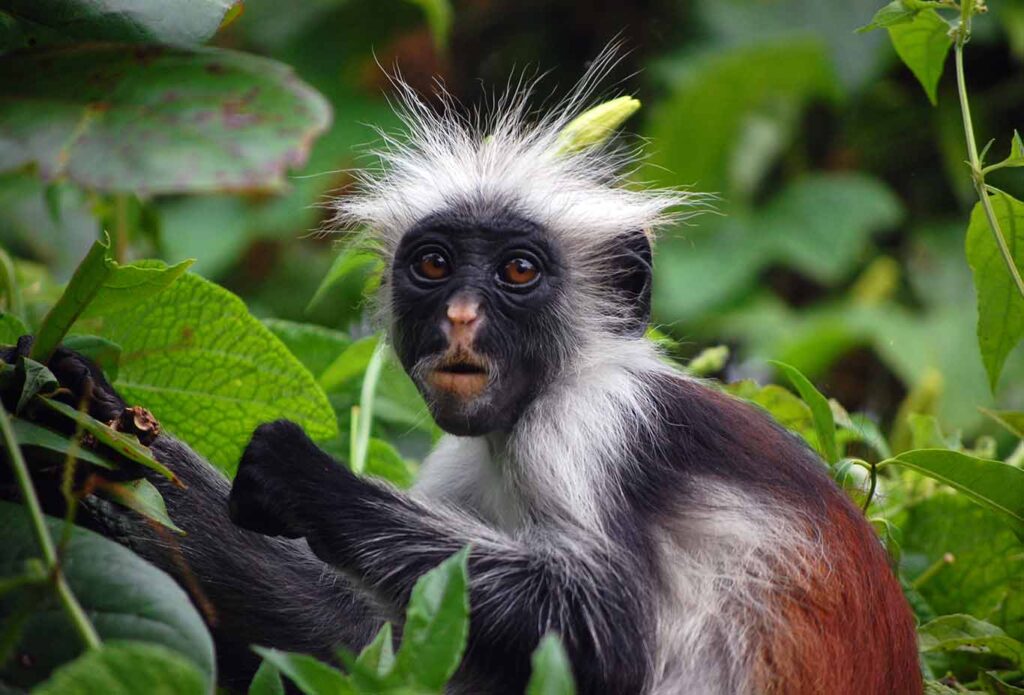
What Wildlife is Found in Jozani Forest?
What wildlife is found in Jozani Forest? This important question introduces travelers to one of the most unique ecological destinations within coastal Tanzania Safaris. Located on Zanzibar Island, the renowned Jozani Chwaka Bay National Park represents the only national park on the island and serves as a vital sanctuary for rare and endemic species. Unlike the vast savannah landscapes typically associated with Tanzania Best Safari experiences, Jozani Forest offers a dense, tropical environment filled with biodiversity that thrives within its protected boundaries.
Understanding what wildlife is found in Jozani Forest allows visitors to appreciate a different dimension of Tanzania Safaris, where forest ecosystems replace open plains and where smaller, specialized species take center stage. Tanzania Uganda Safaris presents this destination as an essential addition to Tanzania Cultural Safaris and Tanzania Birding Safaris, providing an intimate and educational experience that complements traditional wildlife viewing. Rich vegetation, mangrove ecosystems, and groundwater forests create a complex habitat supporting a wide range of animals and bird species.
Exploration of Jozani Forest reveals how conservation efforts have preserved this fragile ecosystem, ensuring that future generations can continue to enjoy its natural wonders. Visitors seeking authentic and environmentally conscious travel experiences will find this destination both inspiring and rewarding. Answering what wildlife is found in Jozani Forest not only highlights its ecological importance but also positions it as a must-visit location within a well-rounded Tanzania Best Safari itinerary curated by Tanzania Uganda Safaris.
Which Iconic Primates Live in Jozani Forest?
What wildlife is found in Jozani Forest? One of the most remarkable highlights within Jozani Chwaka Bay National Park is the presence of the rare Zanzibar red colobus monkey. Found only on Zanzibar Island, this endangered primate species represents a cornerstone of the forest’s ecological identity. Distinctive reddish-brown fur, expressive faces, and social behavior make these monkeys a fascinating subject for wildlife enthusiasts participating in Tanzania Safaris.
Guided forest walks offer visitors the opportunity to observe these primates in their natural habitat, often moving gracefully through the canopy or foraging on the forest floor. Unlike larger safari animals that may require extensive travel to locate, these monkeys are relatively easy to encounter, providing a rewarding experience for travelers of all ages. Tanzania Uganda Safaris ensures that each visit is conducted responsibly, minimizing disturbance while maximizing educational value.
Additional primate species, including Sykes’ monkeys, also inhabit the forest, contributing to its biodiversity. These animals play a vital role in seed dispersal and maintaining ecological balance, highlighting the interconnectedness of life within Jozani Forest. For travelers interested in Tanzania Cultural Safaris, local conservation initiatives provide insight into community efforts to protect these species. Understanding these primates answers what wildlife is found in Jozani Forest while showcasing the importance of preserving unique ecosystems within the broader Tanzania Best Safari experience.
What Other Mammals Can Be Seen in Jozani Forest?
What wildlife is found in Jozani Forest? Beyond primates, Jozani Chwaka Bay National Park supports a variety of smaller mammals that contribute to its ecological richness. Although large predators are absent, the forest is home to species such as bush babies, small antelopes, and various rodents that thrive within its dense vegetation. These animals may be less visible than iconic safari species, yet they play essential roles in maintaining the health of the ecosystem.
Nocturnal creatures, including bush babies, offer a unique perspective for travelers interested in specialized – experiences. Their large eyes and agile movements make them fascinating to observe during evening excursions. Such encounters add depth to the Tanzania Best Safari journey by introducing visitors to lesser-known aspects of wildlife diversity.
Forest habitats provide shelter and food for these mammals, ensuring their survival within a protected environment. Conservation efforts have been instrumental in maintaining stable populations, demonstrating the effectiveness of sustainable tourism practices. Tanzania Uganda Safaris emphasizes responsible exploration, allowing guests to appreciate these species without disrupting their natural behavior.
Exploring these mammals answers what wildlife is found in Jozani Forest by highlighting the diversity that exists beyond well-known animals. This understanding enriches Tanzania Cultural Safaris and Tanzania Birding Safaris, offering a comprehensive view of the ecosystem and reinforcing the value of conservation-focused travel experiences.
Which Bird Species Make Jozani Forest a Birding Paradise?
What wildlife is found in Jozani Forest? Birdlife forms a significant part of the answer, making Jozani Chwaka Bay National Park an exceptional destination for Tanzania Birding Safaris. Dense forest canopies and mangrove ecosystems provide ideal habitats for a wide variety of bird species, including both resident and migratory populations.
Colorful species such as the Fischer’s turaco and mangrove kingfisher attract birdwatchers from around the world. Unique calls echo through the forest, creating an immersive sensory experience that enhances the Tanzania Best Safari journey. Bird enthusiasts can explore designated trails with experienced guides who provide valuable insights into species identification and behavior.
Seasonal variations influence bird activity, with certain periods offering increased opportunities for sightings. Wet seasons, in particular, bring heightened activity as birds engage in breeding and nesting. Such conditions make Jozani Forest a year-round destination for Tanzania Birding Safaris, with each visit offering new discoveries.
Mangrove areas adjacent to the forest add another layer of diversity, supporting water birds and coastal species. This combination of habitats ensures a rich birding experience that answers what wildlife is found in Jozani Forest comprehensively. Tanzania Uganda Safaris curates specialized birding tours that highlight these unique opportunities, positioning the destination as a key component of Tanzania Safaris for nature enthusiasts.
How Do Mangrove Ecosystems Support Wildlife in Jozani Forest?
What wildlife is found in Jozani Forest? The answer extends beyond terrestrial habitats to include the vital mangrove ecosystems within Jozani Chwaka Bay National Park. These coastal forests play a crucial role in supporting biodiversity by providing breeding grounds for fish, shelter for birds, and protection for various marine species.
Intricate root systems stabilize the coastline while creating habitats for crabs, small fish, and other aquatic life. These organisms form the foundation of a complex food web that sustains both land and sea species. Visitors exploring boardwalks through mangrove areas gain a deeper understanding of how these ecosystems function and why they are essential for environmental sustainability.
Bird species frequently inhabit mangroves, adding to the diversity of Tanzania Birding Safaris. Wading birds and kingfishers can often be seen hunting in shallow waters, providing excellent opportunities for observation and photography. Such interactions highlight the interconnectedness of ecosystems within Jozani Forest.
Educational tours emphasize the importance of conservation, encouraging visitors to appreciate and protect these fragile environments. Tanzania Uganda Safaris integrates these experiences into Tanzania Cultural Safaris, ensuring that travelers gain both knowledge and appreciation. Understanding mangrove ecosystems completes the answer to what wildlife is found in Jozani Forest, showcasing the destination’s ecological complexity within the Tanzania Best Safari framework.
When Is the Best Time to Visit Jozani Forest?
What wildlife is found in Jozani Forest? Timing your visit to Jozani Chwaka Bay National Park enhances your ability to observe its diverse species. Dry seasons, typically from June to October and December to February, offer comfortable conditions for forest walks and wildlife viewing. Clear trails and moderate humidity make exploration more enjoyable during these months.
Rainy seasons bring lush vegetation and increased wildlife activity, particularly among bird species. Travelers participating in Tanzania Birding Safaris may find this period especially rewarding despite occasional showers. Each season provides a unique perspective on the forest’s ecosystem, ensuring year-round appeal.
Strategic planning allows visitors to combine Jozani Forest with other Tanzania Safaris experiences, creating a balanced itinerary that includes both wildlife and cultural exploration. Tanzania Uganda Safaris provides expert guidance to help travelers select the best time for their visit, ensuring optimal conditions for their preferred activities.
Why Choose Tanzania Uganda Safaris for This Safari Experience?
What wildlife is found in Jozani Forest? Discovering the full answer requires expert guidance, and Tanzania Uganda Safaris delivers unmatched expertise in Tanzania Safaris. Our in-depth knowledge of Jozani Chwaka Bay National Park ensures that every journey is carefully planned to maximize wildlife encounters and cultural experiences.
Professional guides provide detailed insights into the forest’s ecosystems, enhancing Tanzania Birding Safaris and Tanzania Cultural Safaris. Personalized itineraries cater to individual preferences, ensuring a seamless and enriching travel experience. Commitment to sustainability supports conservation efforts while benefiting local communities.
Choosing Tanzania Uganda Safaris guarantees a Tanzania Best Safari experience that combines authenticity, education, and adventure. Our dedication to excellence positions us as a trusted authority in Africa tourism, allowing travelers to explore Jozani Forest with confidence and curiosity.