Wildlife in Arusha National Park
April 19, 2026
Bird Watching in Lake Manyara National Park
April 19, 2026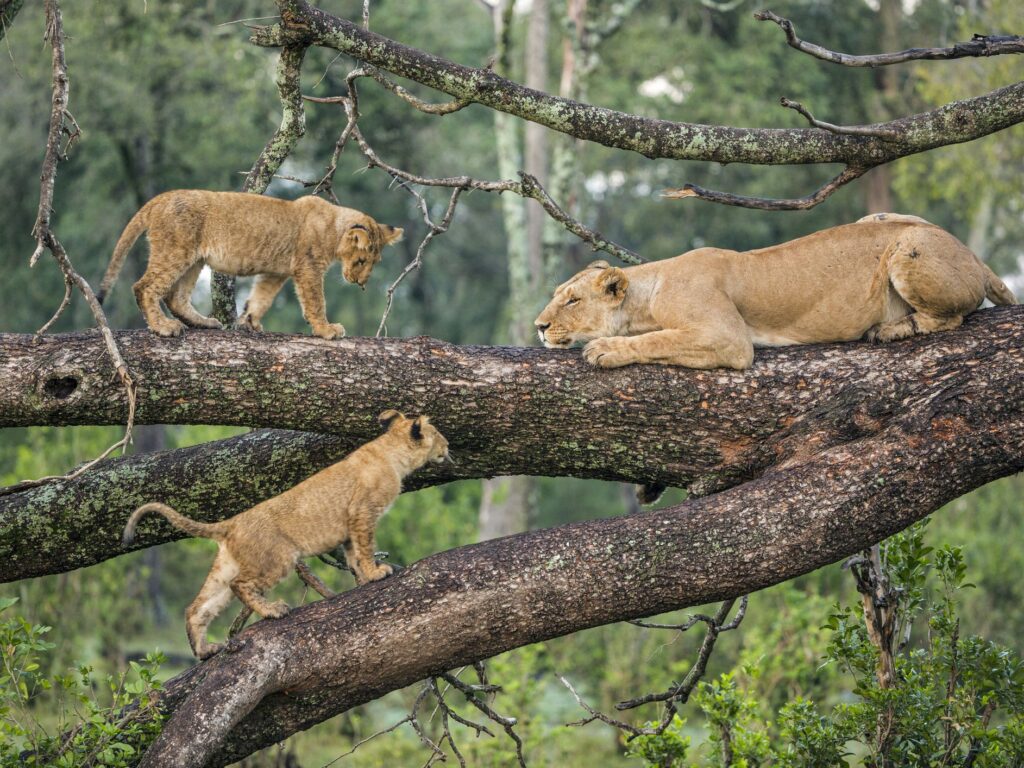
Why Is Lake Manyara Famous for Tree-Climbing Lions?
Exploring Why Is Lake Manyara Famous for Tree-Climbing Lions? leads travelers into one of the most intriguing wildlife behaviors observed in East Africa, set within the scenic landscapes of northern Tanzania. The remarkable Lake Manyara National Park is globally recognized for its rare population of lions that frequently rest and lounge in acacia trees, a behavior that continues to attract researchers, photographers, and safari enthusiasts from around the world.
For travelers planning Tanzania Safaris, the question Why Is Lake Manyara Famous for Tree-Climbing Lions? is important because it highlights a rare ecological adaptation that is not commonly observed in other lion populations. The park’s unique environment, located along the Great Rift Valley near Arusha, creates a perfect blend of groundwater forests, open floodplains, and alkaline lakes that support diverse wildlife behaviors.
Tanzania Uganda Safaris presents this detailed guide to help global travelers understand the ecological, behavioral, and environmental factors behind this extraordinary phenomenon. Designed with expertise, authority, and trustworthiness, this article explains why tree-climbing lions are a defining feature of the Tanzania Best Safari experience. Whether visitors are interested in Tanzania Birding Safaris, immersive Tanzania Cultural Safaris, or classic game drives, understanding Why Is Lake Manyara Famous for Tree-Climbing Lions? provides deeper insight into one of Africa’s most unusual wildlife attractions.
What Makes Lake Manyara’s Ecosystem Ideal for Tree-Climbing Lions?
Understanding Why Is Lake Manyara Famous for Tree-Climbing Lions? begins with the park’s unique ecological structure. Within Lake Manyara National Park, a rare combination of groundwater forests, dense vegetation, and open savannah creates a highly diverse environment that influences animal behavior in unusual ways.
Travelers on Tanzania Safaris often notice that the park’s dense acacia woodlands provide ideal resting platforms for lions seeking shade and relief from ground-level heat. The cooler canopy environment encourages these predators to climb trees, especially during the hotter parts of the day.
Visitors asking Why Is Lake Manyara Famous for Tree-Climbing Lions? will discover that environmental pressure plays a significant role. The presence of biting insects and seasonal flooding in lowland areas encourages lions to seek elevated resting places, where conditions are more comfortable and less disturbed.
The park’s proximity to the Rift Valley escarpment also contributes to microclimatic variations that influence wildlife behavior. This ecological diversity strengthens Lake Manyara’s position as a key destination for the Tanzania Best Safari circuit.
Tanzania Uganda Safaris emphasizes that this combination of habitat diversity and environmental adaptation is what makes the park a globally recognized safari destination.
Why Do Lions Climb Trees in Lake Manyara National Park?
Exploring Why Is Lake Manyara Famous for Tree-Climbing Lions? requires understanding the behavioral adaptations of lions within Lake Manyara National Park. Unlike most lion populations in northern Tanzania, the lions in this park have developed a unique habit of resting on tree branches.
Travelers on Tanzania Safaris are often fascinated by this rare behavior, which is believed to be influenced by environmental comfort, predator dynamics, and social behavior. Lions climb trees primarily to escape ground heat, avoid insects, and gain better vantage points for observing prey movements across the floodplains.
Visitors asking Why Is Lake Manyara Famous for Tree-Climbing Lions? will also learn that this behavior is not entirely unique to Lake Manyara but is most consistently observed here, making it one of the few places in Africa where such sightings are regularly possible.
The elevated position also allows lions to rest undisturbed while maintaining awareness of their surroundings. This adaptation enhances their hunting efficiency and social bonding within prides.
Tanzania Uganda Safaris highlights that witnessing tree-climbing lions is one of the most iconic highlights of the Tanzania Best Safari experience, especially for wildlife photographers seeking rare behavioral moments.
What Other Wildlife Complements the Tree-Climbing Lions Experience?
Analyzing Why Is Lake Manyara Famous for Tree-Climbing Lions? also involves exploring the broader wildlife diversity within Lake Manyara National Park. While lions are the star attraction, the park supports a wide range of species that enhance the safari experience.
Travelers on Tanzania Safaris often encounter large herds of elephants moving through forested areas, giraffes grazing along the plains, and buffaloes roaming near water sources. These herbivores form an essential part of the ecosystem and provide prey for the park’s predators.
Visitors exploring Why Is Lake Manyara Famous for Tree-Climbing Lions? will also find rich birdlife, especially around the alkaline lake. Flamingos, pelicans, and storks create vibrant scenes that attract photographers and birdwatchers participating in Tanzania Birding Safaris.
The presence of hippos and baboons further adds to the park’s ecological diversity. This combination of mammals, birds, and aquatic species makes Lake Manyara one of the most compact yet biodiverse parks in northern Tanzania.
Tanzania Uganda Safaris ensures that travelers experience this full ecological spectrum, reinforcing the park’s role as a key highlight in the Tanzania Best Safari itinerary.
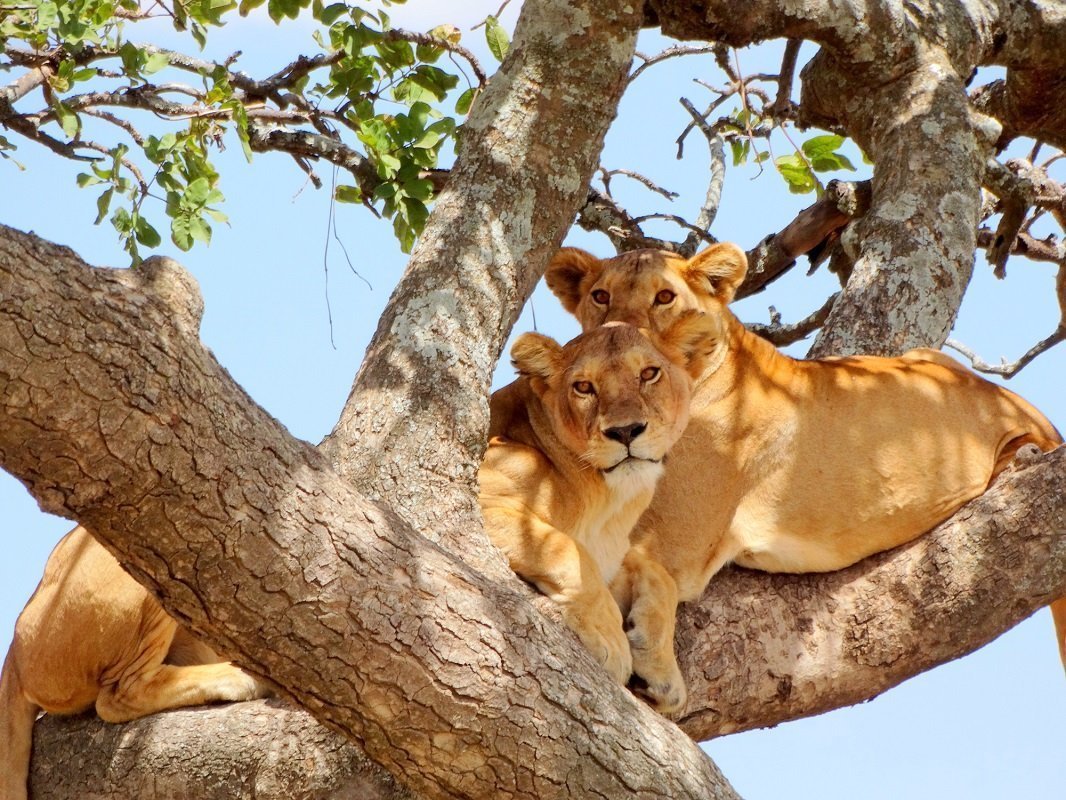
Tree-Climbing Lions in Lake Manyara National Park
When Is the Best Time to See Tree-Climbing Lions in Lake Manyara?
Understanding Why Is Lake Manyara Famous for Tree-Climbing Lions? also requires selecting the right time for visitation. The dry season, from June to October, is considered the best period to visit Lake Manyara National Park for optimal wildlife viewing.
Travelers on Tanzania Safaris during this season benefit from clearer visibility, reduced vegetation, and increased chances of spotting lions resting in trees. The dry conditions also concentrate wildlife around water sources, improving overall game viewing.
Visitors asking Why Is Lake Manyara Famous for Tree-Climbing Lions? should note that lions are more likely to climb trees during warmer months when ground temperatures rise significantly.
The wet season, from November to May, transforms the park into a lush green landscape ideal for Tanzania Birding Safaris, as migratory birds increase in number and diversity. While lion sightings may be less predictable, the scenery becomes exceptionally beautiful.
Tanzania Uganda Safaris provides expert seasonal planning to ensure travelers experience the park at its most rewarding time based on individual interests.
Why Choose Tanzania Uganda Safaris for a Lake Manyara Safari Experience?
Choosing the right operator when exploring Why Is Lake Manyara Famous for Tree-Climbing Lions? is essential for a meaningful safari experience. Tanzania Uganda Safaris offers expertly guided Tanzania Safaris designed to maximize wildlife encounters within Lake Manyara National Park.
Travelers booking Tanzania Birding Safaris or Tanzania Cultural Safaris with Tanzania Uganda Safaris benefit from personalized itineraries, professional guiding, and deep ecological knowledge of the region. Every safari is carefully crafted to highlight both iconic wildlife and hidden ecological details.
Tanzania Uganda Safaris is committed to delivering the Tanzania Best Safari experience by combining authenticity, comfort, and expert interpretation of wildlife behavior. Their understanding of lion ecology ensures that travelers gain deeper insight into why tree-climbing behavior occurs in this unique ecosystem.
Ultimately, the answer to Why Is Lake Manyara Famous for Tree-Climbing Lions? lies in its extraordinary environment, rare animal behavior, and ecological richness—best experienced with the trusted expertise of Tanzania Uganda Safaris.