How Many Days Does Kilimanjaro Climb Take?
April 19, 2026
What altitude sickness risks exist on Kilimanjaro?
April 19, 2026
Best time to climb Kilimanjaro
Mount Kilimanjaro, Africa’s highest peak and one of the most iconic trekking destinations included in premium Tanzania Safaris, offers year-round climbing opportunities, yet certain periods deliver significantly better conditions for success, safety, and enjoyment. The best time to climb Kilimanjaro is generally during the two dry seasons, which occur from January to March and June to October. These months provide stable weather patterns, clearer skies, and safer trail conditions, making them ideal for both beginner and experienced trekkers seeking the Tanzania Best Safari mountain experience.
During these peak seasons, climbers benefit from reduced rainfall, improved visibility, and more predictable temperatures across Kilimanjaro’s diverse ecological zones. The mountain’s environment transitions from tropical rainforest at the base to alpine desert and glacial summit conditions, and dry weather ensures safer movement through these dramatic landscapes. January to March is particularly favored by travelers who prefer quieter routes and cooler conditions, while June to October attracts a higher number of climbers due to its consistently dry climate and excellent summit visibility.
Each route on Kilimanjaro—whether Machame, Lemosho, Marangu, Rongai, Shira, or Northern Circuit—becomes more accessible and enjoyable during these seasons. For travelers planning immersive Tanzania Safaris, combining a Kilimanjaro climb with wildlife viewing or coastal experiences, timing becomes essential for creating a seamless itinerary. Tanzania Uganda Safaris carefully evaluates seasonal conditions to guide climbers toward the most suitable departure windows, ensuring safety, comfort, and the highest possible summit success rates.
How do Kilimanjaro seasons enhance Hiking Safaris and Tanzania Birding Safaris experiences?
Seasonal variations on Mount Kilimanjaro significantly influence the quality of trekking experiences, making timing a crucial factor for Hiking Safaris and nature-based adventures. During the dry months, trails are more stable and less slippery, allowing trekkers to move comfortably across the mountain’s lower rainforest zones and higher alpine regions. This improved accessibility enhances the overall hiking experience and increases the likelihood of reaching Uhuru Peak successfully.
January to March offers cooler temperatures and fewer crowds, creating a more peaceful trekking environment that appeals to travelers seeking solitude and immersive nature experiences. This period is especially rewarding for photographers and adventure seekers who prefer quieter routes such as Lemosho and Rongai. Meanwhile, the June to October season delivers the clearest skies and best panoramic views, making it the most popular window for climbers aiming for the Tanzania Best Safari summit experience.
Kilimanjaro also supports rich biodiversity along its lower slopes, making it a surprising yet valuable destination for Tanzania Birding Safaris. Dense montane forests are home to species such as turacos, sunbirds, hornbills, and African eagles. During dry seasons, bird activity becomes easier to observe due to improved visibility and reduced vegetation density. This combination of hiking and birdwatching creates a multi-dimensional safari experience that extends beyond traditional wildlife viewing.
Tanzania Uganda Safaris integrates expert guides who provide insights into both ecological and cultural aspects of Kilimanjaro. This ensures that every stage of the climb is not only physically rewarding but also educational, enhancing the depth and value of Tanzania Safaris for global travelers.
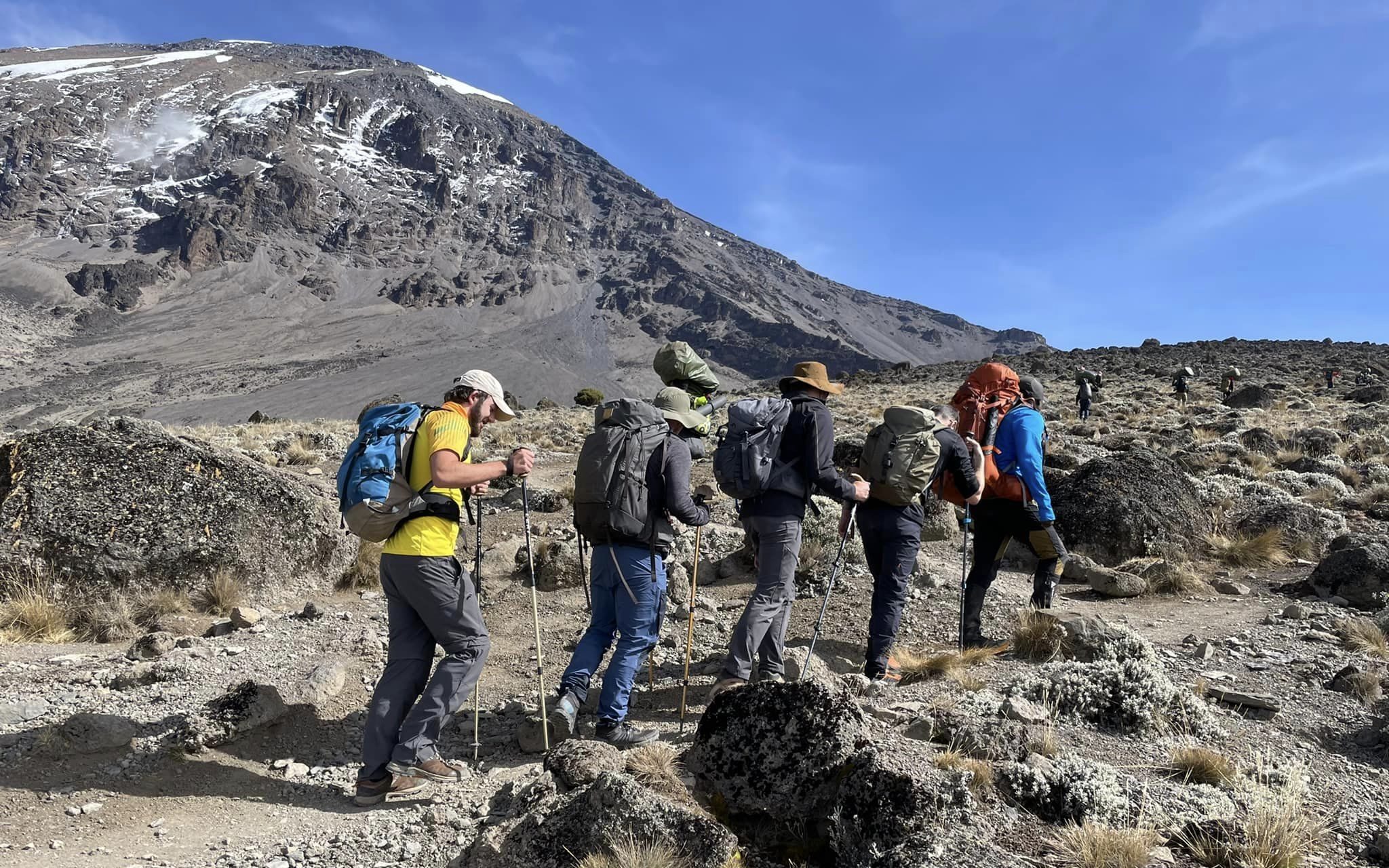
What routes are used for Kilimanjaro climb
Which Kilimanjaro seasons are best for Tanzania Cultural Safaris and trekking success?
Climbing Kilimanjaro is not only a physical journey but also a cultural and environmental exploration that connects travelers with local communities and Tanzania’s natural heritage. The best seasons for combining trekking with Tanzania Cultural Safaris are during the dry months, when accessibility to surrounding villages is easier and weather conditions are favorable for cultural interactions.
During January to March, trekkers often experience fewer crowds on the mountain, allowing for more personal engagement with local guides and porters who share insights into Chagga traditions and mountain heritage. These interactions enrich the overall climbing experience and provide meaningful cultural context that enhances the value of Tanzania Safaris.
From June to October, increased trekking activity creates a vibrant atmosphere on Kilimanjaro routes such as Machame and Marangu. This period also allows better coordination with local communities involved in tourism services, including food preparation, guiding, and logistics support. Cultural exchanges during this time highlight the importance of sustainable tourism and community participation in maintaining the mountain’s ecosystem.
Rainy seasons, while less popular, still offer unique opportunities for experienced trekkers seeking solitude and lower-cost travel options. However, slippery trails and reduced visibility make these months less ideal for most climbers. Tanzania Uganda Safaris emphasizes safety and cultural respect in all itineraries, ensuring that every Kilimanjaro climb reflects both environmental awareness and authentic human connection within the broader framework of the Tanzania Best Safari experience.
When is the best time for Kilimanjaro climbing within Tanzania Safaris itineraries?
Selecting the right time for climbing Kilimanjaro depends on personal travel goals, weather preferences, and the type of safari experience desired. For most travelers, the dry seasons remain the best periods for Tanzania Safaris, offering optimal trekking conditions and high summit success rates. January to March is ideal for those seeking quieter trails, cooler temperatures, and more intimate hiking experiences across all Kilimanjaro routes.
June to October is widely recognized as the peak climbing season, attracting trekkers from around the world due to its stable weather and clear mountain views. This period is particularly suitable for combining a Kilimanjaro ascent with other safari experiences such as wildlife viewing in nearby parks or coastal relaxation, creating a complete Tanzania Best Safari itinerary.
The shoulder months, including late November and early December, offer transitional conditions where rainfall may occur but crowds remain minimal. These months are suitable for experienced hikers who prefer less traffic on the mountain and are prepared for variable weather conditions. Tanzania Uganda Safaris carefully designs travel plans based on seasonal patterns to ensure each climber experiences the safest and most rewarding journey possible.
Ultimately, the best time to climb Kilimanjaro is when weather conditions, personal fitness, and travel expectations align to create a balanced and memorable adventure within the broader scope of Tanzania Safaris.
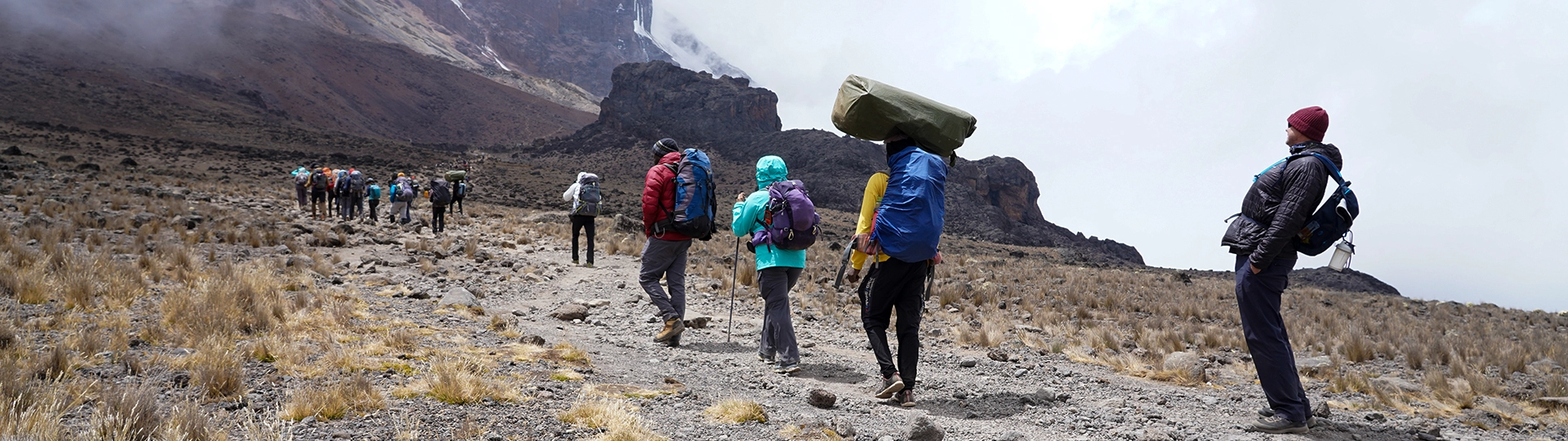
Why choose Tanzania Uganda Safaris for Kilimanjaro climbing and Tanzania Safaris experiences?
Tanzania Uganda Safaris stands as a trusted and experienced operator specializing in professionally guided Tanzania Safaris and Kilimanjaro climbing expeditions. With deep expertise in all major trekking routes, the company ensures that every climb is carefully planned to match seasonal conditions, traveler experience levels, and personal adventure goals. This commitment guarantees safety, comfort, and a high success rate for reaching Africa’s highest summit.
Expert integration of Tanzania Birding Safaris, Tanzania Cultural Safaris, and Hiking Safaris allows Tanzania Uganda Safaris to deliver comprehensive travel experiences that go beyond standard trekking. Climbers benefit from knowledgeable guides, well-structured acclimatization schedules, and detailed route planning designed to maximize enjoyment and minimize risk. Every itinerary is crafted to reflect the essence of the Tanzania Best Safari, combining adventure, education, and cultural discovery.
Trust, sustainability, and professionalism define Tanzania Uganda Safaris as a leading authority in African tourism. The company works closely with local communities and conservation organizations to promote responsible tourism practices on Kilimanjaro. For global travelers seeking reliable guidance, expert support, and unforgettable mountain experiences, Tanzania Uganda Safaris remains a premier choice for exploring Kilimanjaro and the wider beauty of Tanzania’s natural landscapes.