Where Can I Go Chimpanzee Tracking in Rwanda?
March 8, 2026
How Challenging Is Chimpanzee Tracking Physically?
March 8, 2026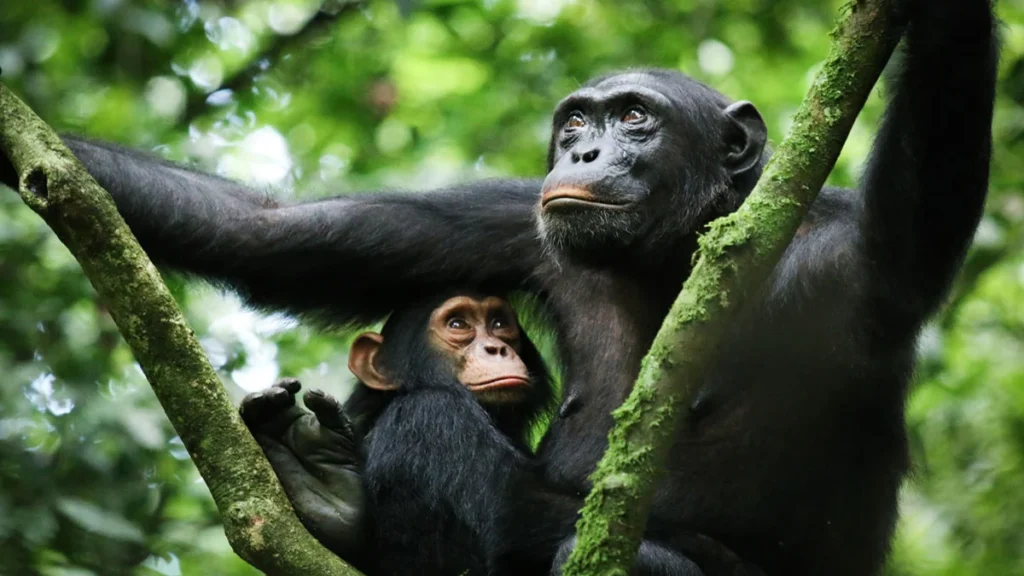
How Long Does a Typical Chimpanzee Tracking Experience Last?
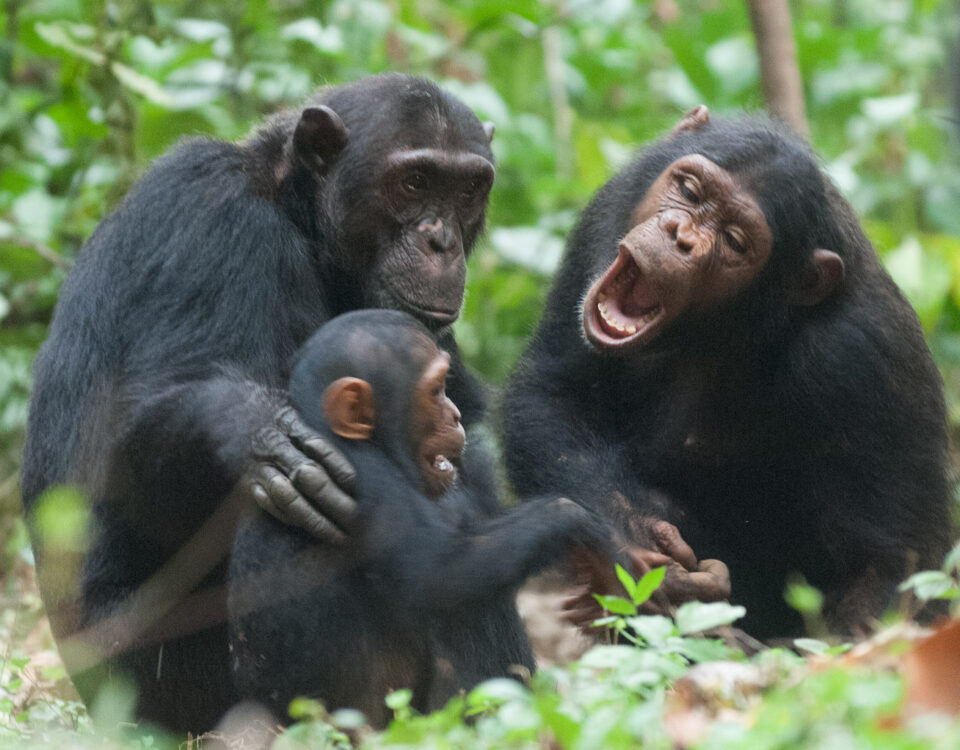
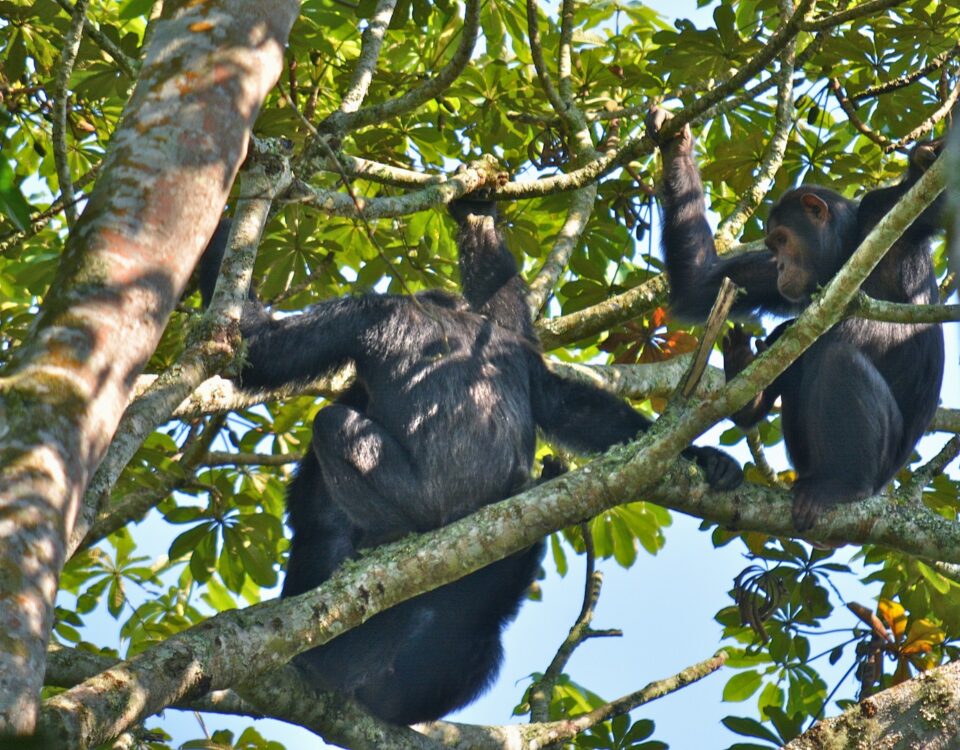
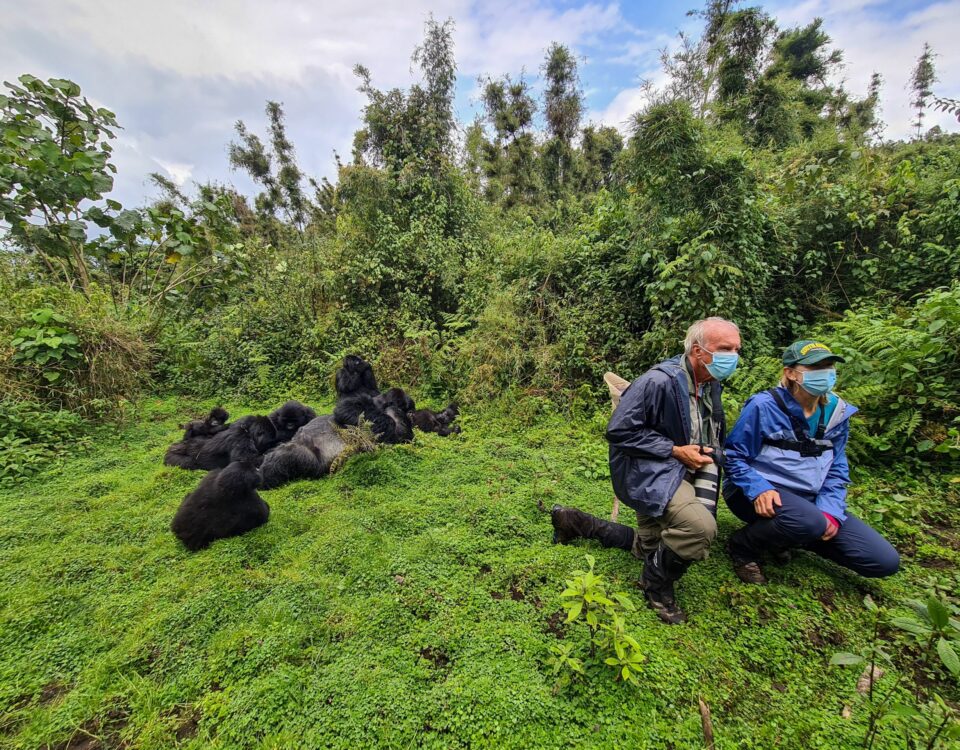
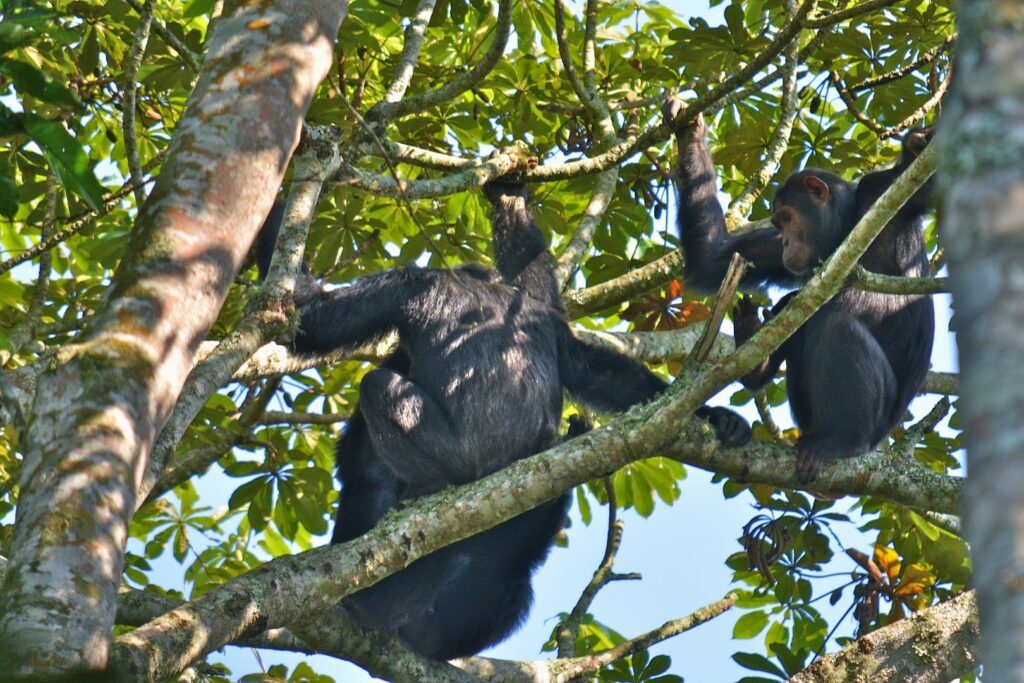
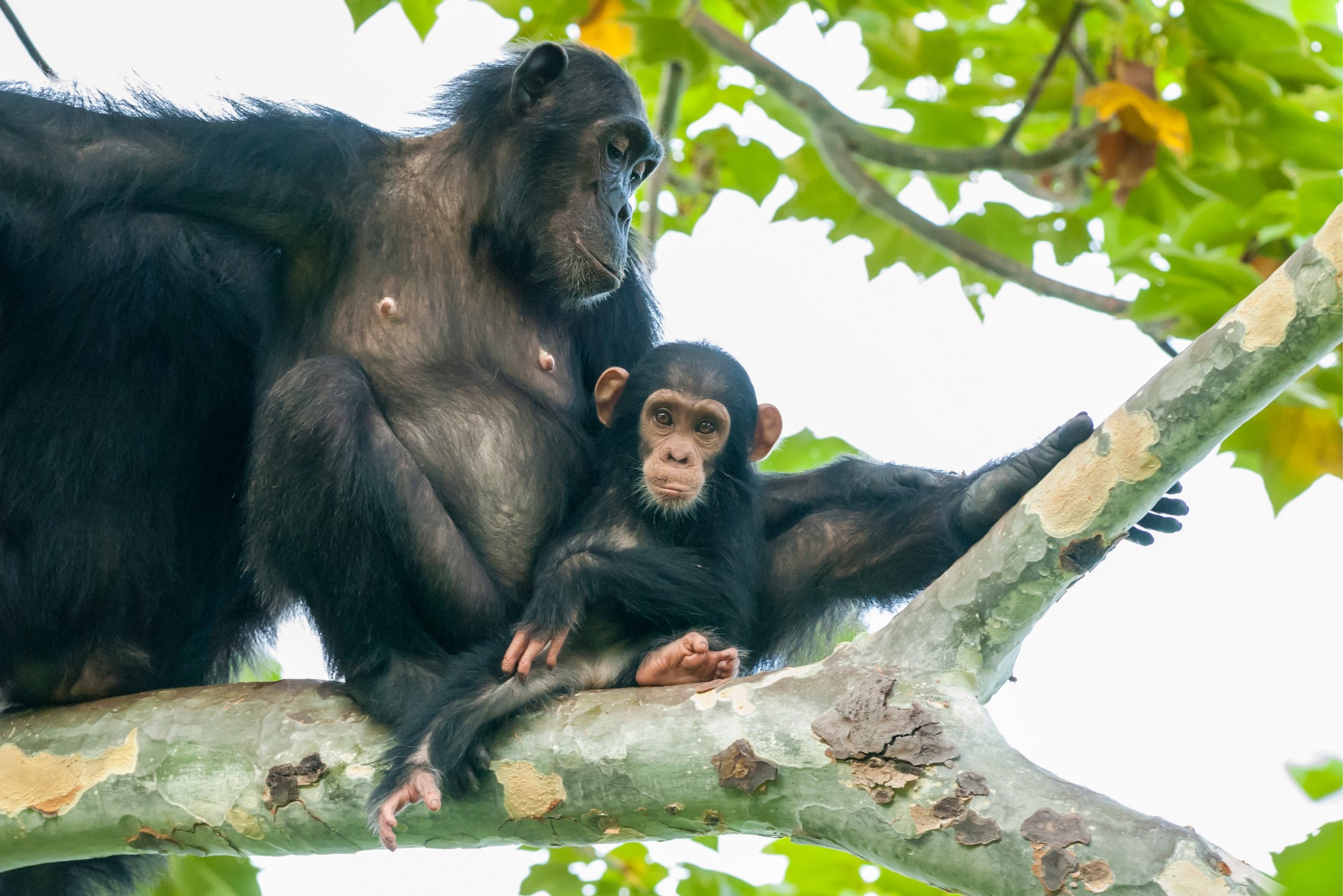
Chimpanzee tracking in Rwanda is an extraordinary adventure that offers wildlife enthusiasts the chance to observe our closest animal relatives in their natural forest habitats. As part of Rwanda Safaris, chimpanzee tracking allows travelers to explore Nyungwe National Park, a biodiversity hotspot that hosts one of Africa’s largest populations of chimpanzees. Visitors not only witness the intelligence and social behaviors of these primates but also experience the lush, montane rainforest that forms the heart of Rwanda’s eco-tourism. This activity is increasingly integrated with Rwanda Birding Safaris and Rwanda Cultural Safaris, enabling travelers to enjoy birdwatching opportunities with over 300 species and interact with local communities to learn about their traditions, music, and crafts. Tanzania Uganda Safaris ensures that every visitor’s experience is structured, safe, and environmentally responsible. A typical chimpanzee tracking safari balances adventure with educational enrichment, allowing participants to fully appreciate both the primates and the ecological and cultural richness of Rwanda. By joining a Gorilla Trekking Safari or combining chimpanzee tracking with other Rwanda Best Safari options, travelers enjoy a holistic approach to wildlife tourism, blending exhilarating encounters with meaningful cultural engagement.
What Can You Expect During a Chimpanzee Tracking Safari?
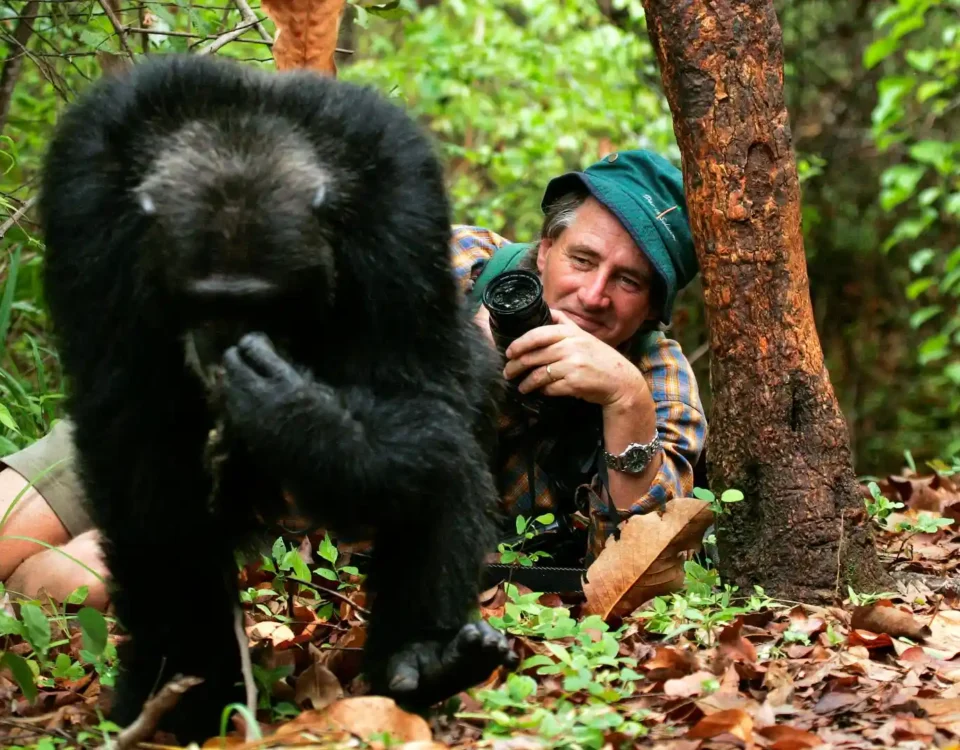
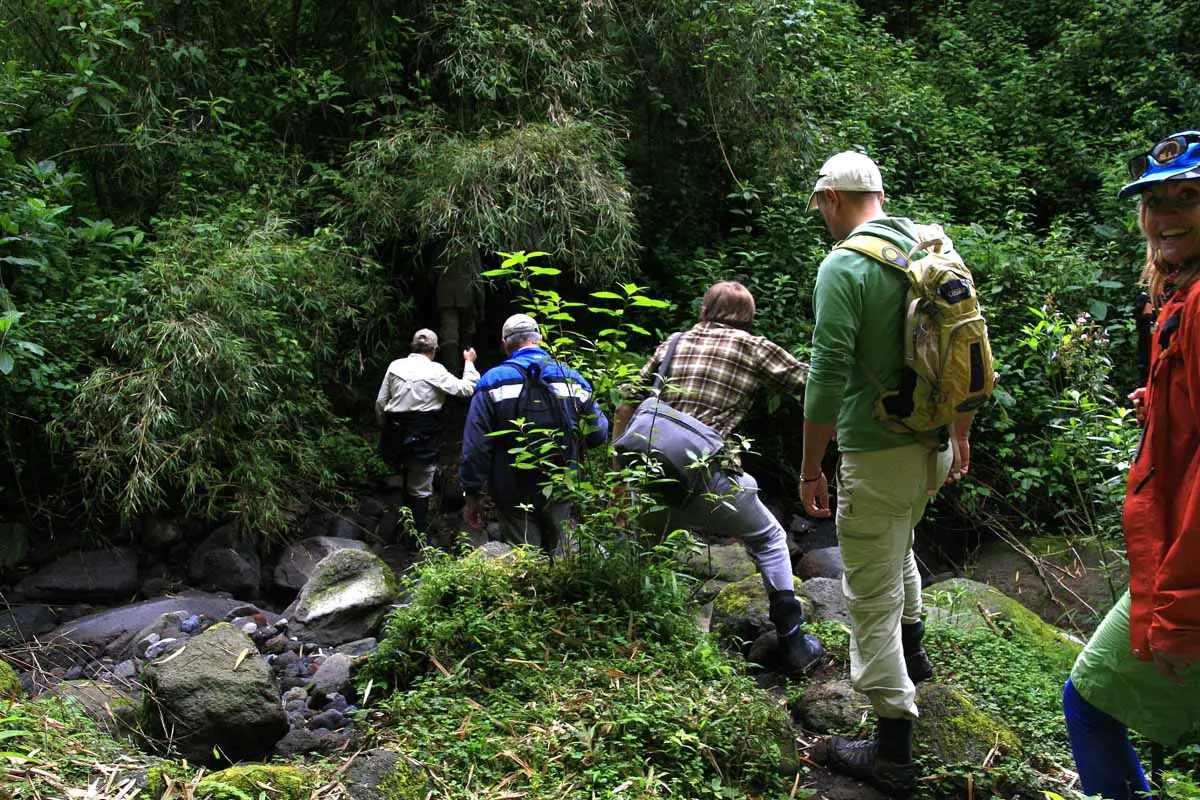
A typical chimpanzee tracking experience in Rwanda lasts between two to five hours, depending on the location of the chimpanzee troops and the terrain of Nyungwe National Park. The duration includes a briefing on the park rules, safety guidelines, and an introduction to chimpanzee behavior, followed by the trek through dense rainforest trails. Trekkers navigate varying landscapes, from steep inclines and bamboo thickets to swampy areas and moss-covered forest floors. Rwanda Safaris are designed to ensure that visitors can safely observe chimpanzees while minimizing disturbance to their natural routines. Tanzania Uganda Safaris provides expert guides who track the movements of chimpanzee families, offering in-depth insights into their social structure, feeding habits, and vocal communications. Guests can also enjoy Rwanda Birding Safaris en route, spotting rare bird species such as the Great Blue Turaco and Ruwenzori Sunbird. By managing expectations regarding trekking duration and difficulty, travelers are better prepared for a safe, enjoyable, and rewarding experience. Rwanda Cultural Safaris can complement the trek, allowing visitors to engage with local communities near Nyungwe, participate in traditional dance performances, and explore artisan workshops, making the journey multidimensional and unforgettable.
How Long Should You Allocate for Chimpanzee Tracking Safaris?
Planning is essential to maximize your Rwanda Best Safari experience. While the trekking portion may last several hours, the overall safari, including travel, preparation, and post-trek reflections, can take up to a full day. Tanzania Uganda Safaris recommends that visitors allocate at least six to eight hours for the complete chimpanzee tracking experience. This schedule allows for transportation from Kigali or nearby lodges to Nyungwe National Park, orientation sessions, the guided trek, and optional post-trek activities such as forest walks or photography sessions. A well-planned itinerary ensures that travelers fully benefit from both wildlife encounters and supplementary experiences, including birdwatching and cultural interactions. The duration of the trek also depends on the troop’s mobility, seasonal factors, and trail conditions, which are carefully monitored by park authorities and guides. Tanzania Uganda Safaris’ expertise guarantees that safari planning incorporates realistic timelines, ensuring that guests enjoy a seamless and stress-free adventure while adhering to conservation protocols that protect both the chimpanzees and the surrounding ecosystem.
When Is the Best Time for Chimpanzee Tracking in Rwanda?
Optimal timing greatly enhances a chimpanzee tracking safari. The dry seasons, spanning June to September and December to February, are ideal for trekking. Trails are less slippery, visibility is improved, and wildlife activity is generally easier to observe. During these months, Rwanda Birding Safaris also flourish, as migratory and endemic bird species are more active and visible. In addition, Rwanda Cultural Safaris benefit from seasonal festivities and community events that add cultural depth to the journey. Tanzania Uganda Safaris provides seasonal itineraries to align wildlife and cultural experiences with the best environmental conditions. Tracking chimpanzees in these periods not only makes the trek safer and more comfortable but also allows for longer observation periods without interruption from adverse weather conditions. By planning your safari during the recommended months, travelers maximize both the duration and quality of their chimpanzee encounter, making it a highlight of Rwanda Safaris.
Why Choose Tanzania Uganda Safaris for Your Chimpanzee Tracking Safari?
Tanzania Uganda Safaris is a trusted provider of Rwanda Safaris, specializing in ethically guided wildlife experiences, including Gorilla Trekking Safaris, chimpanzee tracking, and Rwanda Birding Safaris. Our team combines local expertise, deep conservation knowledge, and professional safari planning to deliver experiences that are safe, immersive, and enriching. Guides are trained to follow park rules meticulously, ensuring that visitors observe chimpanzees without causing stress to the animals or disruption to the forest ecosystem. Furthermore, Tanzania Uganda Safaris integrates Rwanda Cultural Safaris into its itineraries, providing meaningful interactions with local communities through traditional dance, crafts, and storytelling. By choosing us, travelers receive a fully managed safari that maximizes wildlife encounters, cultural insights, and personal safety. Our focus on responsible tourism positions Tanzania Uganda Safaris as an authoritative voice in Africa Tourism, offering globally recognized expertise that travelers can trust. Guests enjoy a memorable chimpanzee tracking experience, confident that every detail—from preparation to post-trek reflections—is handled with professionalism, expertise, and care.
What Are the Expectations in a Typical Chimpanzee Tracking Safari?
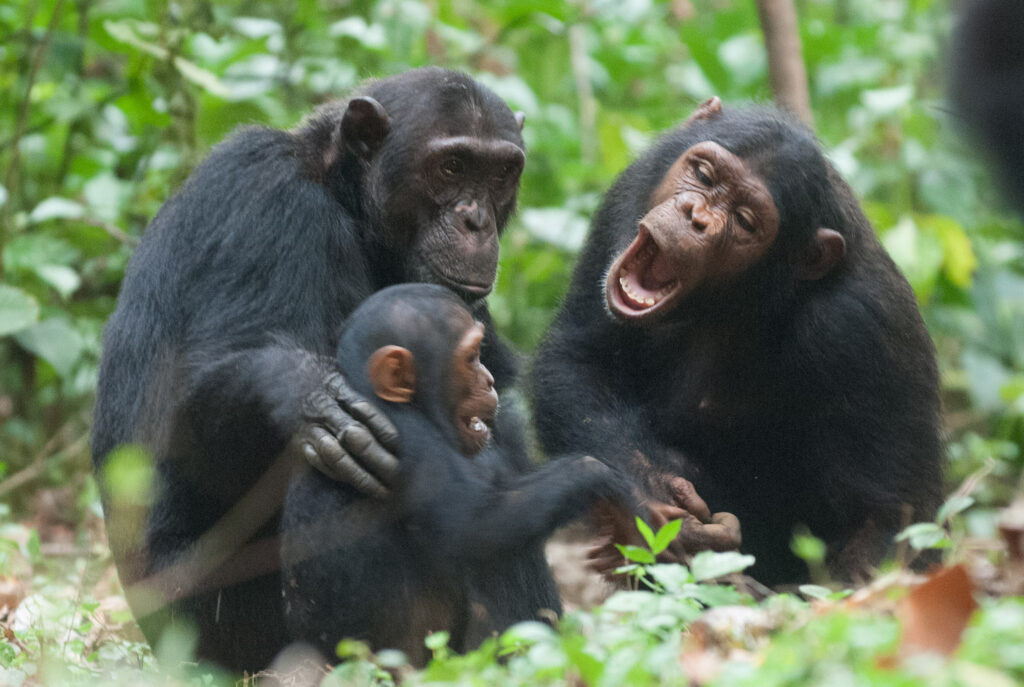
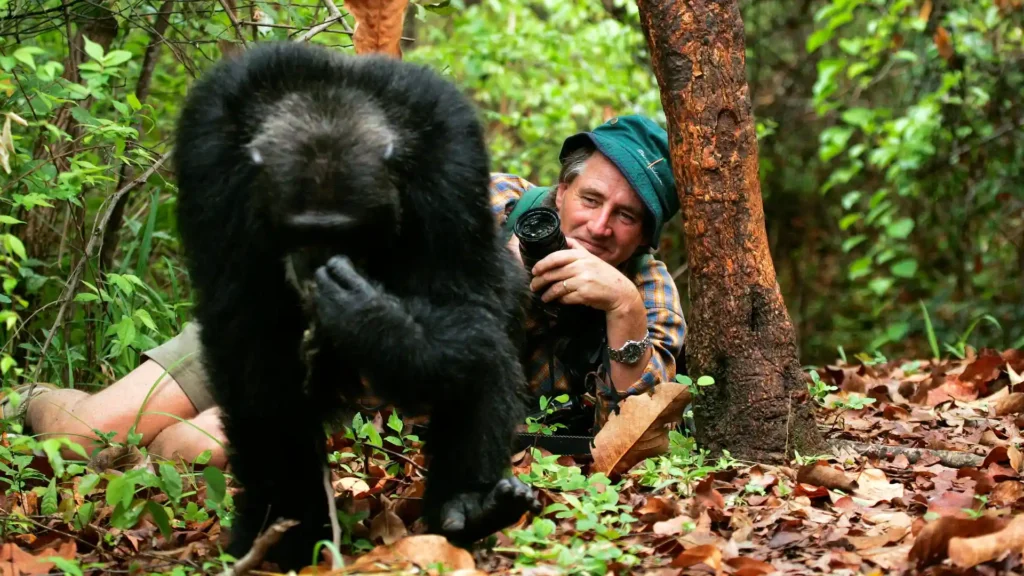
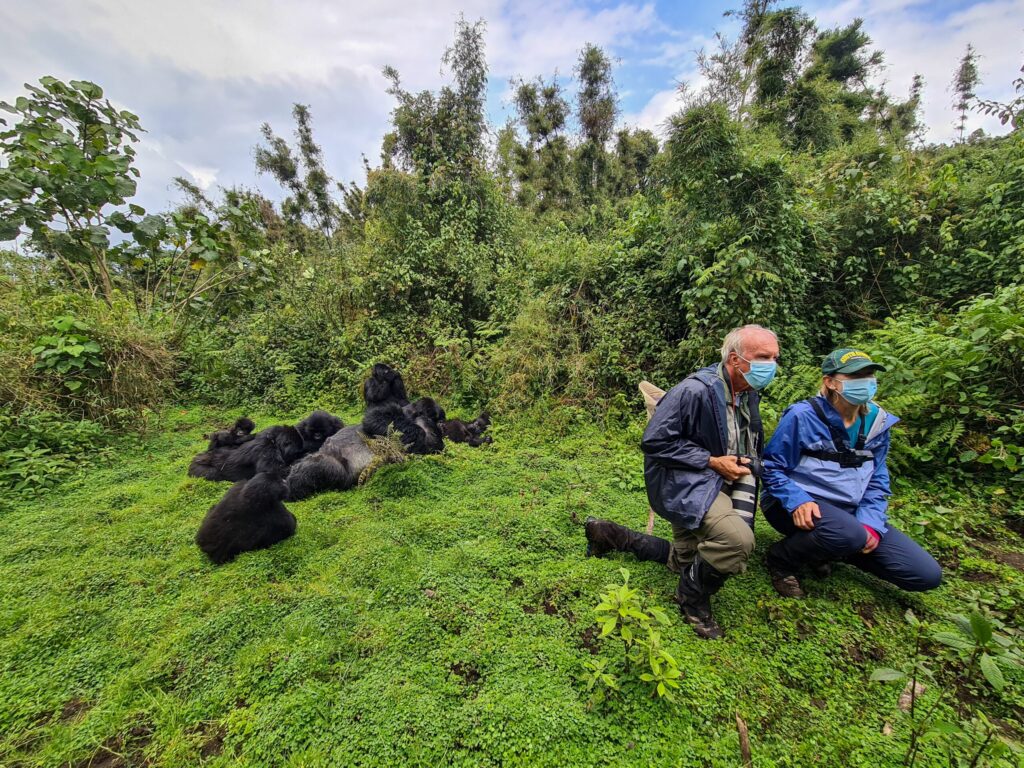
Chimpanzee tracking in Rwanda is physically engaging and intellectually rewarding. Trekkers should anticipate walking over uneven, sometimes steep terrain for several hours, requiring moderate fitness levels. Guides provide clear instructions on respecting park rules, including maintaining distance from chimpanzees and avoiding loud noises or sudden movements. Wildlife enthusiasts can expect close-range observation of playful and social chimpanzees, capturing rare moments of grooming, feeding, and vocal communication. Alongside chimpanzees, Rwanda Birding Safaris offer birdwatching opportunities for species unique to the montane forest, enriching the overall safari experience. Post-trek activities may include cultural engagement through Rwanda Cultural Safaris, where visitors learn about local lifestyles, culinary traditions, and artisanal crafts. Tanzania Uganda Safaris ensures that travelers are fully briefed on expectations, safety measures, and behavioral etiquette, guaranteeing an immersive, memorable, and ethically responsible safari adventure.
In Conclusion:
A typical chimpanzee tracking experience in Rwanda lasts several hours but provides a lifetime of memories. With Tanzania Uganda Safaris, travelers enjoy meticulously planned Rwanda Safaris, integrating wildlife encounters, birding, and cultural experiences while maintaining ethical and conservation standards. From preparation to post-trek reflections, every aspect is designed to deliver a safe, enriching, and unforgettable African adventure, positioning Rwanda as a premier destination for responsible wildlife tourism.