How Many Days Are Recommended for a Wildlife Safari in Kenya?
March 8, 2026
Are Guided Wildlife Safaris Better Than Self-Drive Safaris in Kenya?
March 8, 2026
What Is the Best Time of Day for Wildlife Sightings During a Safari?
Kenya’s diverse landscapes, iconic wildlife, and vibrant ecosystems make it a world-renowned destination for travelers seeking authentic Kenya Safaris. Many safari-goers frequently ask: What is the best time of day for wildlife sightings during a safari? Understanding the optimal periods for observing animals can significantly enhance the experience of a Kenya Best Safari, ensuring visitors witness predator-prey interactions, migratory herds, and elusive bird species at their most active. Wildlife behavior is influenced by factors such as temperature, feeding patterns, and seasonal movements, which makes timing crucial for game drives, Kenya Birding Safaris, and aerial Balloon Safaris. Tanzania Uganda Safaris specializes in carefully curated safari itineraries that combine expert-guided excursions, cultural experiences, and premium accommodations to create immersive and memorable journeys across Kenya’s most iconic national parks.
Typically, the early morning hours, just after sunrise, are widely regarded as the most productive for wildlife viewing. During this time, temperatures are cooler, making animals more active as they search for water, forage for food, or move between grazing areas. Observing wildlife in the Maasai Mara during early morning game drives, for instance, provides the perfect opportunity to witness lions emerging from their resting spots, cheetahs on the hunt, and elephants navigating the savannah in search of fresh water. Hot air balloon rides scheduled during sunrise offer a unique vantage point, allowing guests to appreciate vast herds, predator-prey interactions, and migratory movements in stunning golden light. Birdwatchers on Kenya Birding Safaris can also capitalize on this time to spot species that are most active at dawn, including African fish eagles, herons, and secretary birds. Tanzania Uganda Safaris ensures that morning safaris are carefully timed to coincide with peak wildlife activity, providing both visual spectacle and educational insight.
Late afternoon, often referred to as the “golden hours” before sunset, is another prime period for wildlife observation. Animals tend to resume activity after the heat of the midday sun, making it an ideal time to witness complex social behaviors such as hunting, mating displays, and herd movements. Game drives during this period offer dramatic lighting for photography and unique opportunities to observe elusive species, including leopards resting in riverine forests or crocodiles lying in ambush along watercourses. Balloon safaris during late afternoon are less common but can be tailored for special photography experiences, offering panoramic views of the savannah bathed in warm sunset hues. By carefully scheduling excursions during these optimal times, Tanzania Uganda Safaris ensures that travelers enjoy immersive encounters across Kenya’s renowned national parks, including the Maasai Mara National Reserve, Amboseli National Park, and Nairobi National Park.
How Do Different Times Affect Wildlife Activity?
Which periods offer the highest likelihood of animal sightings?
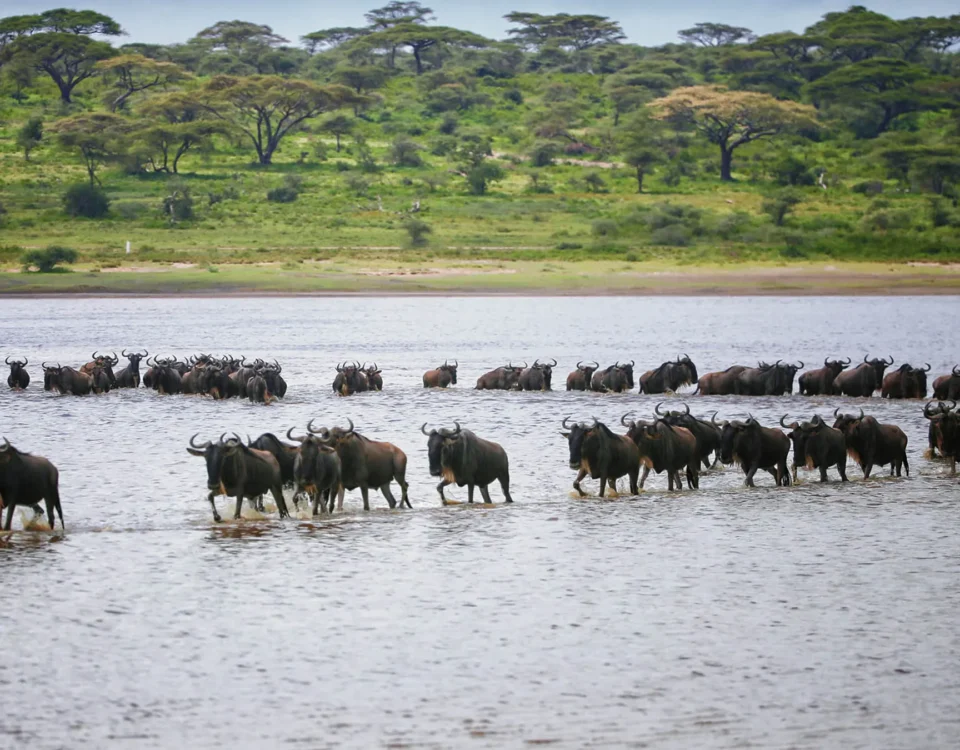
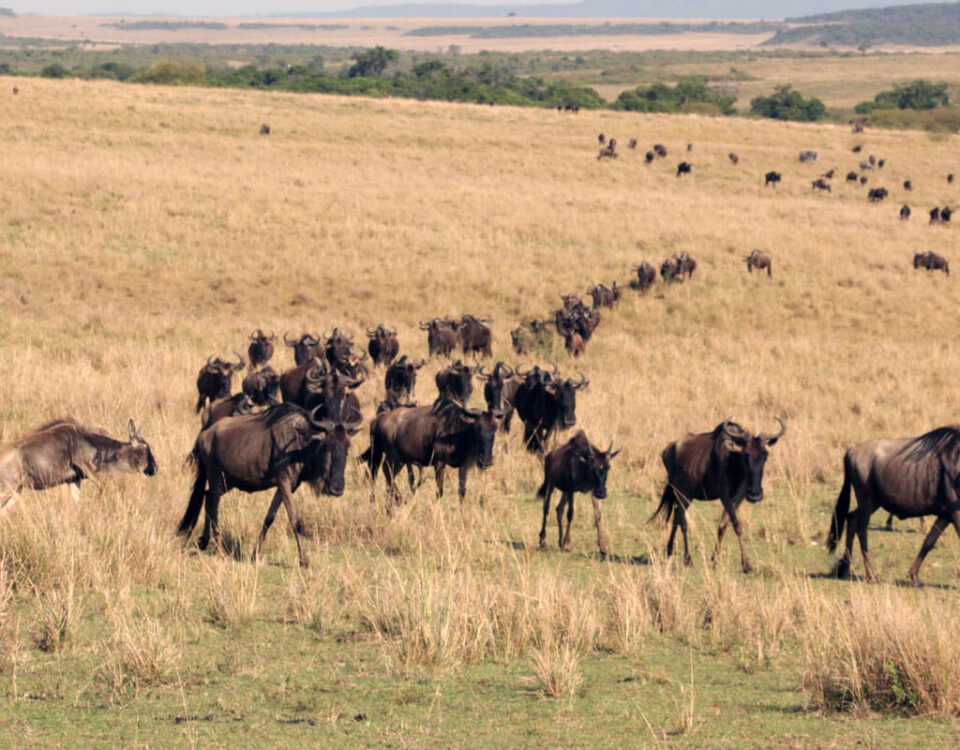
Understanding animal behavior helps answer the question: What is the best time of day for wildlife sightings during a safari? Morning and late afternoon are universally recognized as peak wildlife activity windows. Midday hours, in contrast, are typically less productive, as animals retreat to shaded areas to avoid heat stress. During early mornings, herbivores such as zebras, wildebeest, and gazelles actively graze and move between waterholes, while predators like lions and hyenas follow prey patterns closely. Balloon safaris in the morning elevate guests above the plains, providing unobstructed views of herd dynamics and predator-prey interactions, enhancing both photography and wildlife observation experiences.
Afternoon drives allow guests to witness behavioral changes as animals prepare for evening routines. Predators become more active after resting during the hottest part of the day, while elephants and giraffes move toward water sources to drink and socialize. Birding enthusiasts on Kenya Birding Safaris also benefit, as species such as raptors and waterfowl resume foraging and display courtship behaviors. Tanzania Uganda Safaris strategically schedules game drives and balloon flights to align with these natural rhythms, ensuring guests witness both iconic wildlife events and subtle ecological interactions that define Kenya’s dynamic ecosystems.
Which Safari Destinations Are Best for Optimal Viewing Times?
Where should travelers go to maximize wildlife encounters?
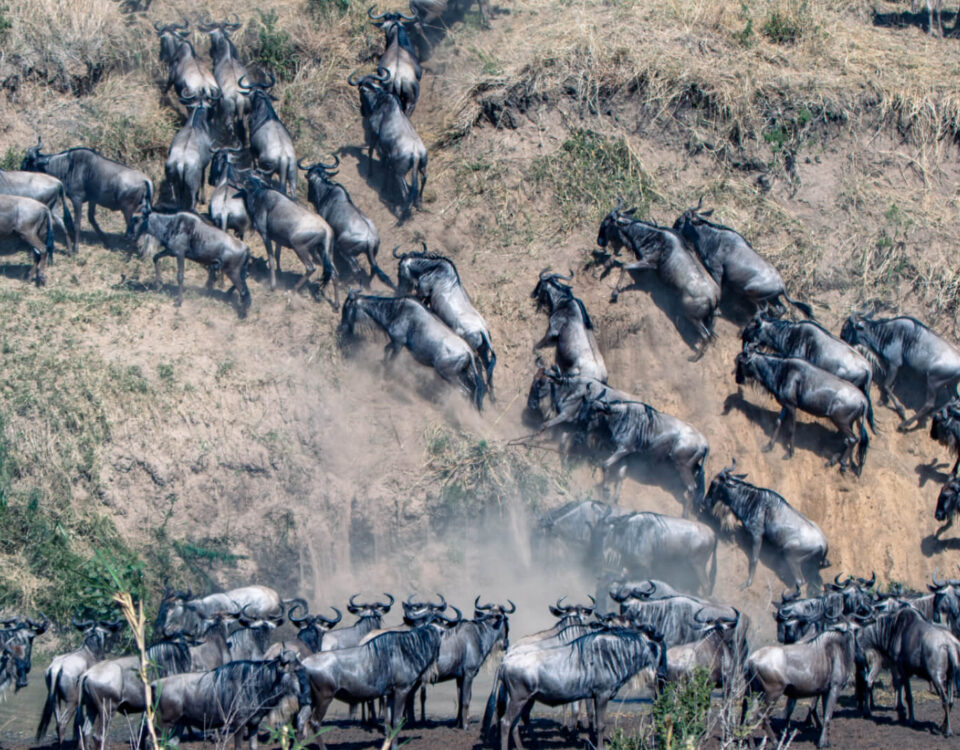
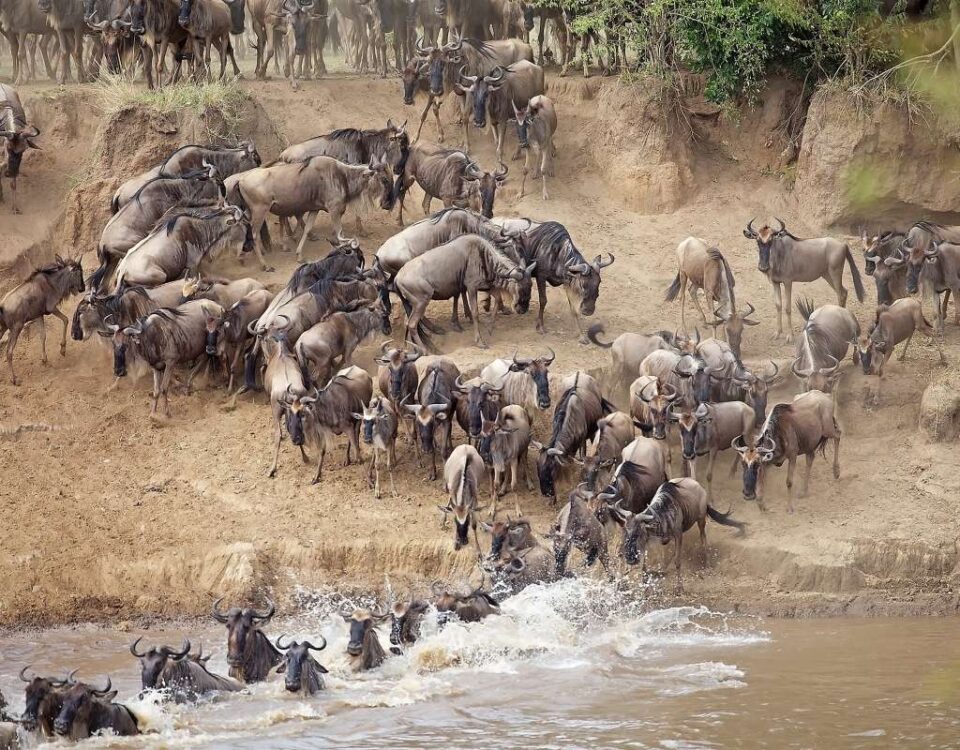
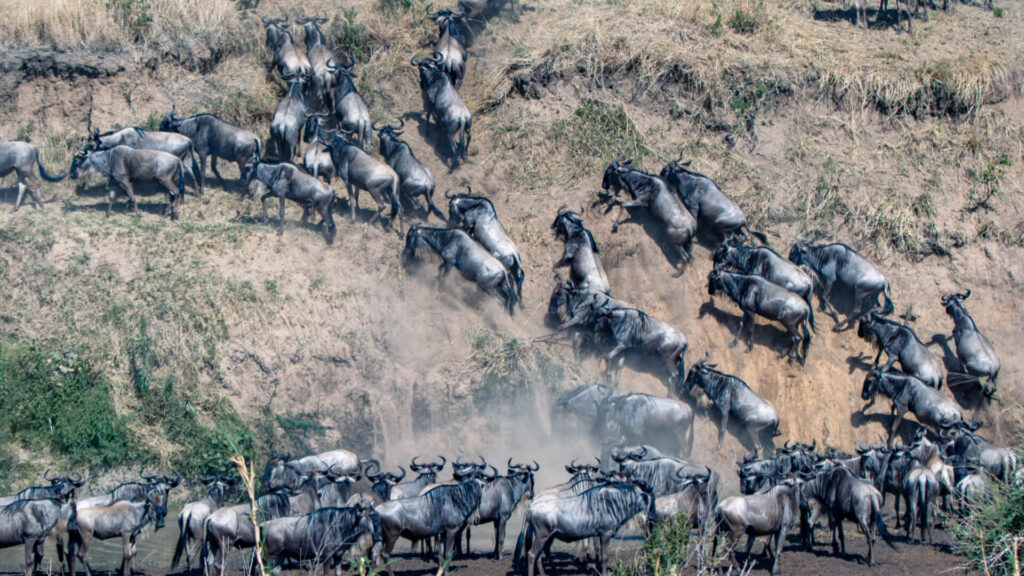
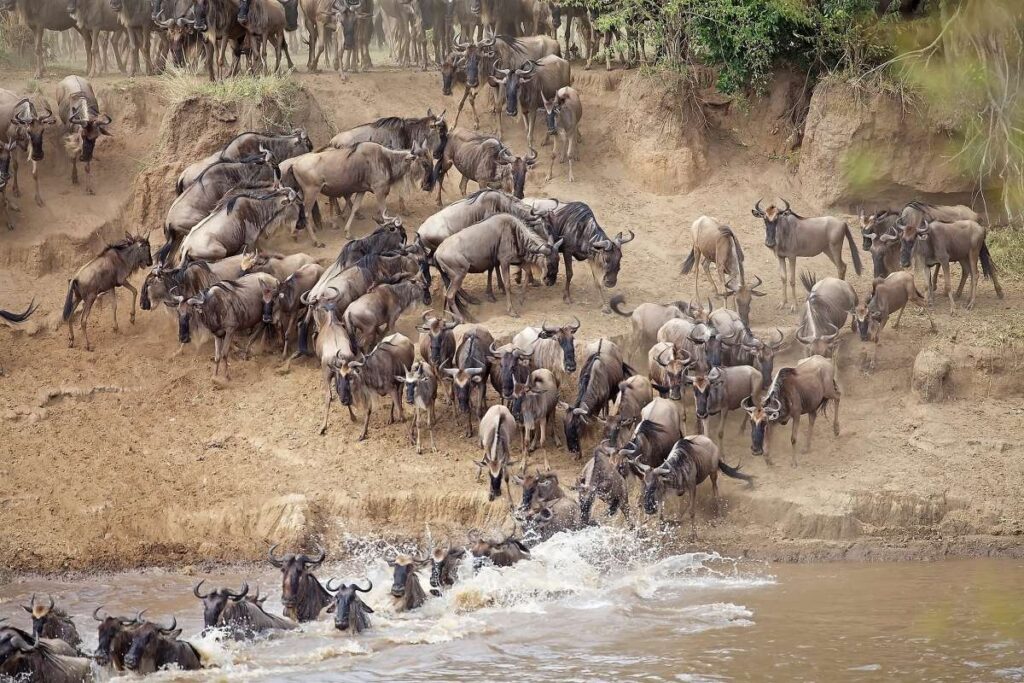
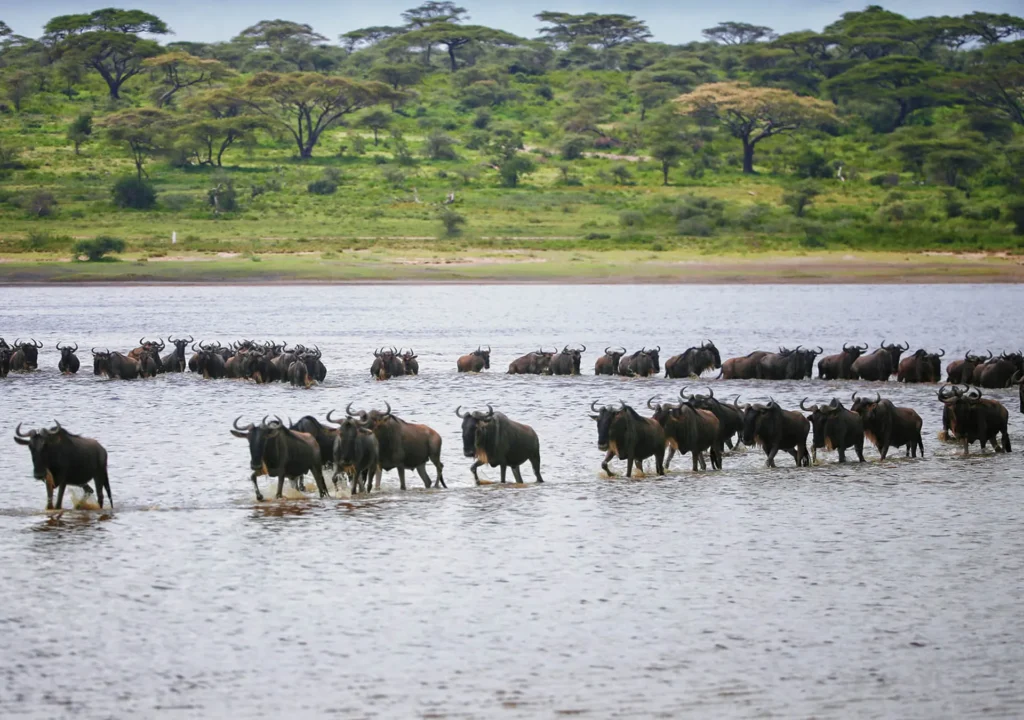
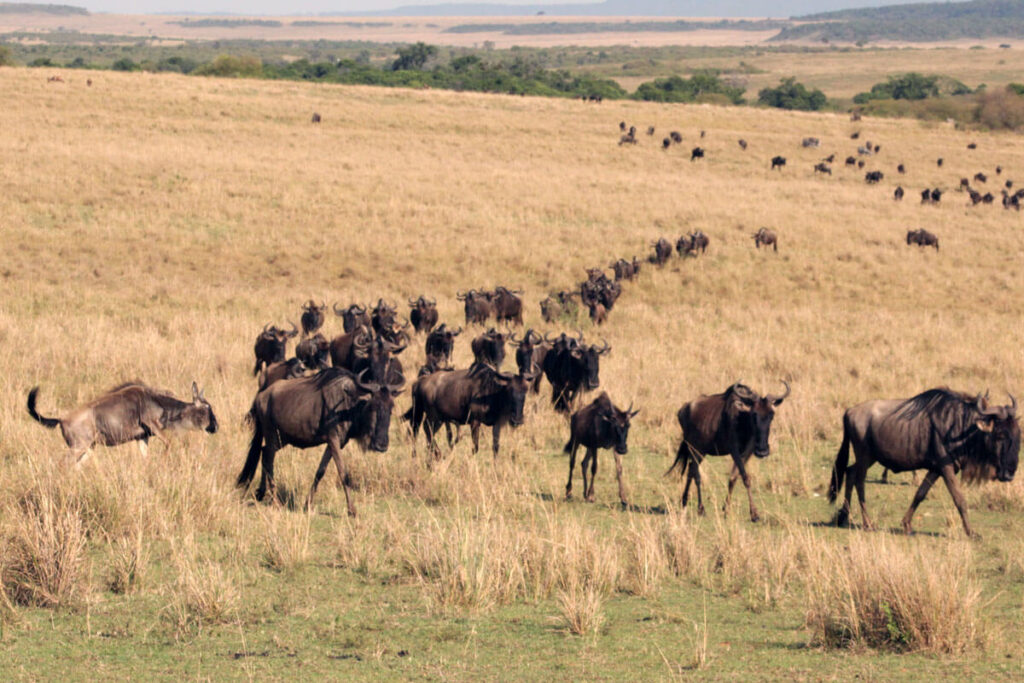
Many visitors ask: What is the best time of day for wildlife sightings during a safari? The answer is also influenced by location. The Maasai Mara National Reserve offers unmatched opportunities for early morning and late afternoon sightings, especially during the Great Migration, when millions of wildebeest and zebras traverse the plains under predator observation. Amboseli National Park provides spectacular morning light for viewing elephants against the backdrop of Mount Kilimanjaro, while Nairobi National Park’s compact ecosystem allows for concentrated wildlife sightings at any optimal time of day. Each park has its own peak periods for different species, which Tanzania Uganda Safaris leverages when designing Kenya Best Safari itineraries, ensuring guests experience both diversity and abundance of wildlife.
Hot air balloon safaris complement ground-based game drives by offering a bird’s-eye perspective on these natural phenomena. Early flights capture predators stalking herds, while late afternoon rides provide dramatic landscape photography opportunities. Combining Kenya Birding Safaris and Kenya Cultural Safaris within these peak observation windows ensures travelers gain a holistic understanding of Kenya’s ecosystems, wildlife behaviors, and cultural contexts, all integrated into a carefully curated itinerary by Tanzania Uganda Safaris.
When Is the Best Time for This Safari?
Which months are ideal for wildlife sightings in Kenya?
Planning a safari during the dry season, from July to October, maximizes the likelihood of witnessing dramatic wildlife interactions. This period coincides with the peak of the Great Migration in the Maasai Mara and provides clear skies, calm conditions for balloon safaris, and concentrated wildlife near water sources. Early morning and late afternoon game drives, paired with Kenya Birding Safaris, enhance viewing and photography potential. Tanzania Uganda Safaris ensures that itineraries are tailored to these conditions, providing travelers with the most memorable and productive safari experience possible.
Why Choose Tanzania Uganda Safaris for Wildlife Safaris?
What makes Tanzania Uganda Safaris the ideal operator for peak wildlife viewing?
Selecting Tanzania Uganda Safaris guarantees expertly guided answers to What is the best time of day for wildlife sightings during a safari? Our experienced guides leverage decades of local knowledge to ensure travelers witness wildlife at its most active while maintaining safety and comfort. Combining Kenya Best Safari, Kenya Birding Safaris, and Kenya Cultural Safaris, Tanzania Uganda Safaris creates immersive itineraries designed to maximize wildlife encounters, educational insight, and cultural appreciation. Strategic planning of game drives, balloon safaris, and cultural visits ensures that every moment of the day is optimized for unforgettable experiences. Guests leave with memories of predator-prey interactions, migratory herds, and Kenya’s iconic landscapes, reinforcing Tanzania Uganda Safaris’ authority as a leading provider of African safari experiences.