
What Should I Pack for a Chimpanzee Tracking Safari in Rwanda?
March 8, 2026
Which National Parks in Rwanda Are Best for General Wildlife Safaris?
March 8, 2026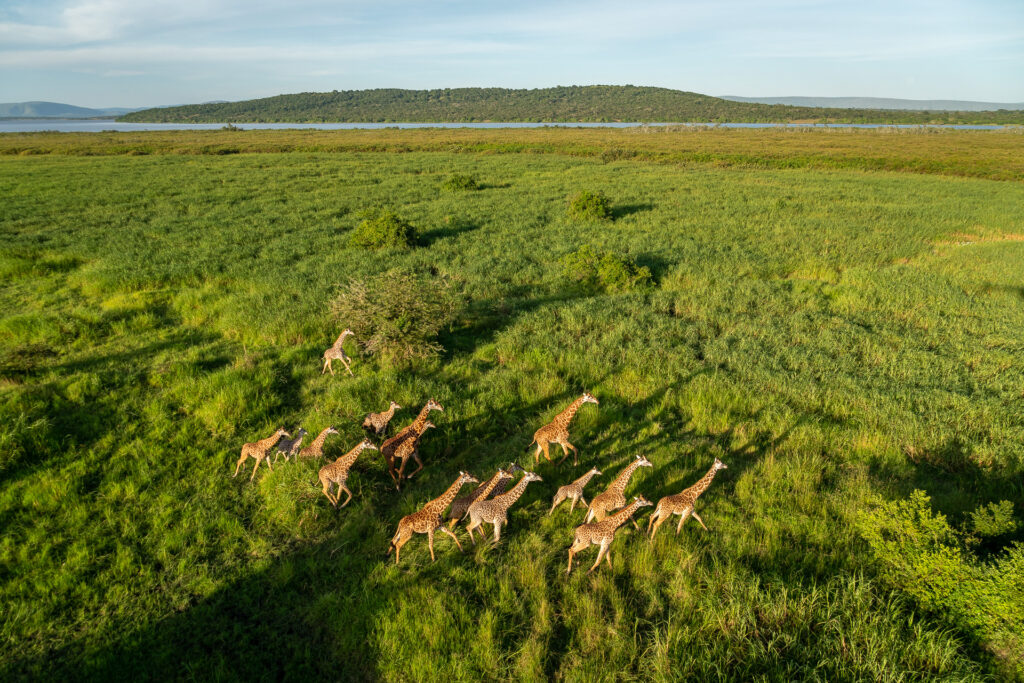
What Animals Can I Expect to See on a Rwandan Wildlife Safari?
Rwanda, famously known as the “Land of a Thousand Hills,” is a premier destination for travelers seeking intimate encounters with Africa’s most iconic wildlife. A Rwandan wildlife safari offers a rare opportunity to witness diverse ecosystems, ranging from dense rainforests to rolling savannahs, teeming with an abundance of animal species. Visitors are drawn not only by the chance to track endangered mountain gorillas but also by the prospect of discovering chimpanzees, colobus monkeys, and vibrant birdlife, making Rwanda a hotspot for Rwanda Birding Safaris and Rwanda Cultural Safaris. Each journey is meticulously designed by Tanzania Uganda Safaris to combine adventure, education, and conservation awareness. With our expert guides, travelers gain unique insights into the behavior, habitats, and conservation status of various species, ensuring an unforgettable and responsible safari experience.
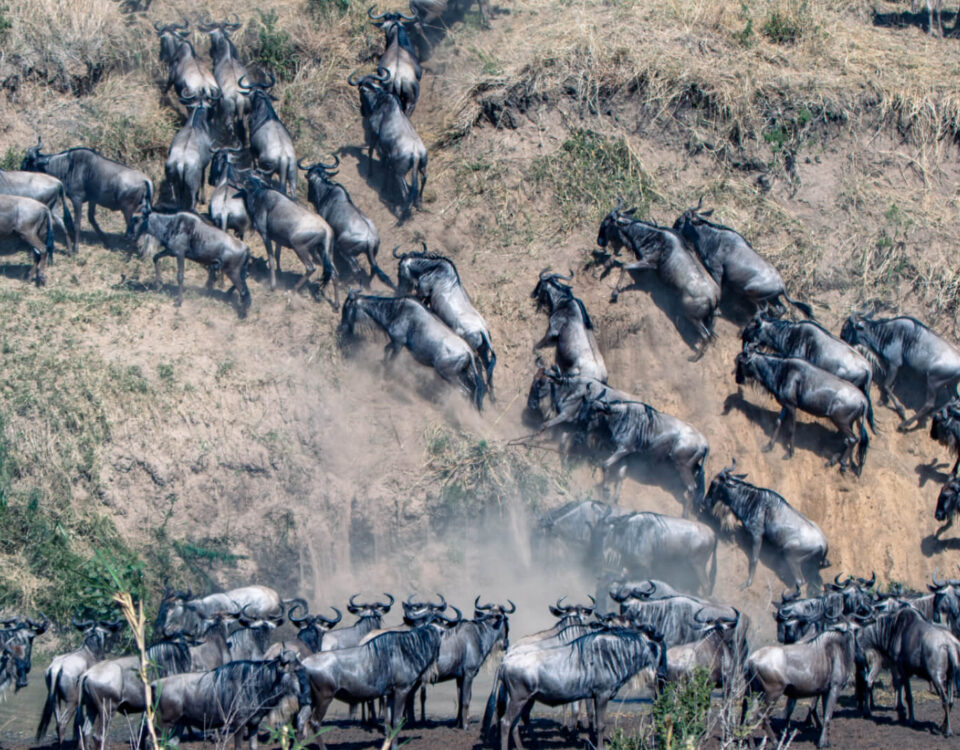
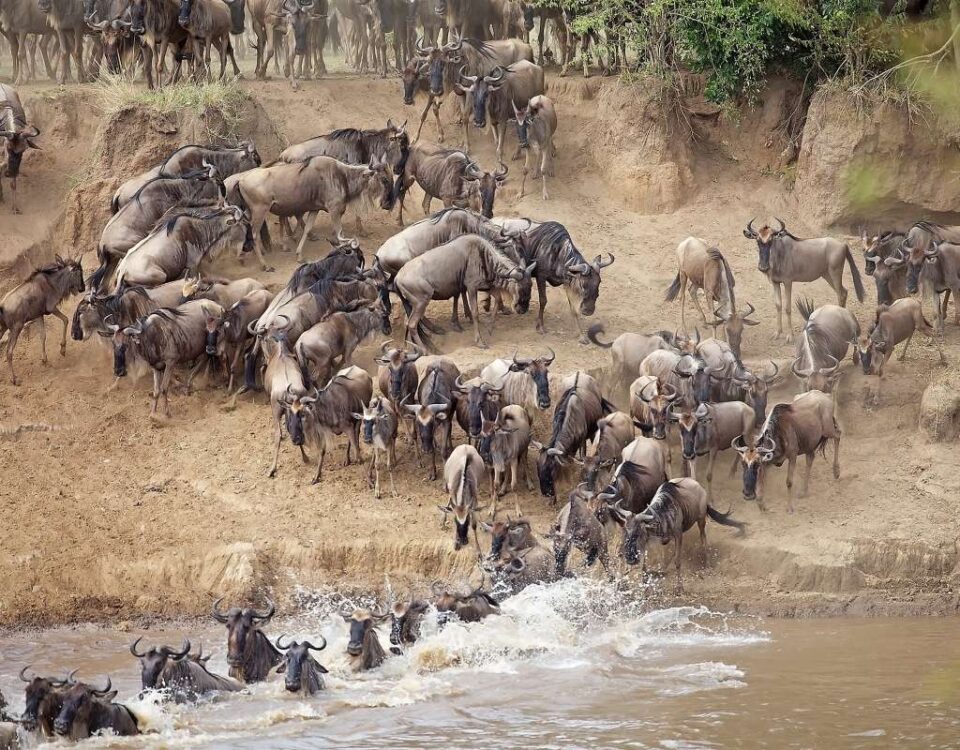
Beyond primate encounters, a Rwandan wildlife safari provides exposure to the country’s lesser-known but equally fascinating fauna. Travelers often come across African buffalo, bushbucks, and the elusive sitatunga antelope while exploring Akagera National Park. Rich birdlife, including species endemic to East Africa, enhances the safari for both amateur and professional ornithologists. For those seeking the ultimate wildlife adventure, combining gorilla trekking safaris with Rwanda Best Safari packages ensures a comprehensive encounter with Rwanda’s unique wildlife. Tanzania Uganda Safaris prioritizes ethical and sustainable tourism, guaranteeing minimal environmental impact while maximizing wildlife visibility. From lush Nyungwe Forest treks to Akagera’s savannah plains, every moment is curated to enrich visitors’ understanding of Rwanda’s extraordinary biodiversity. Planning ahead allows travelers to not only spot animals but also appreciate Rwanda’s ecosystem in context, making each safari an educational, inspiring, and memorable journey.
What Are The Expectations on a Rwandan Wildlife Safari?
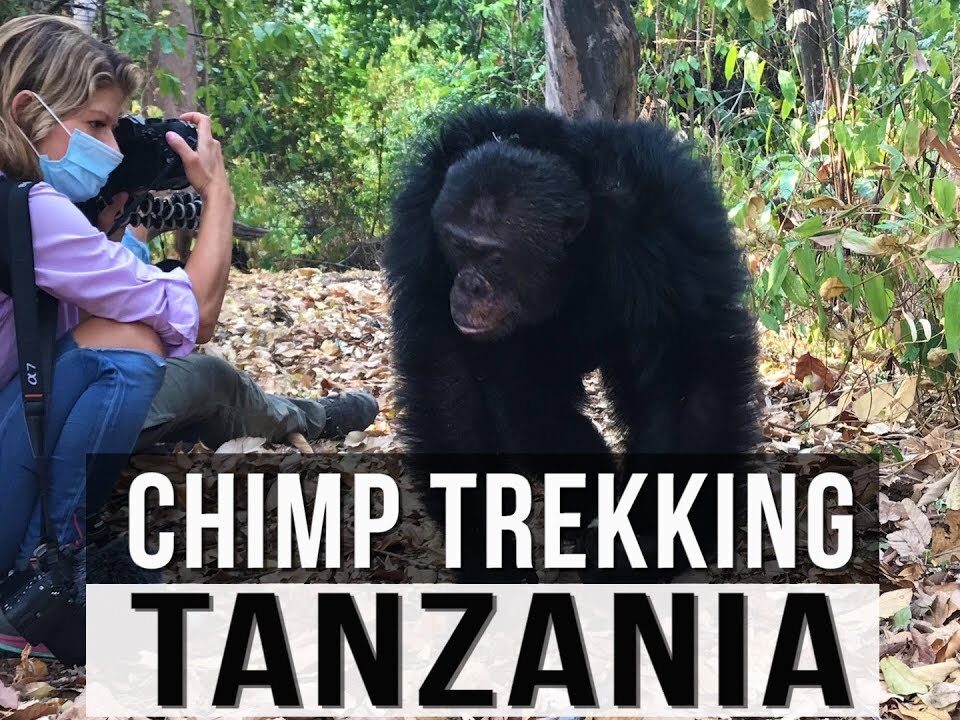
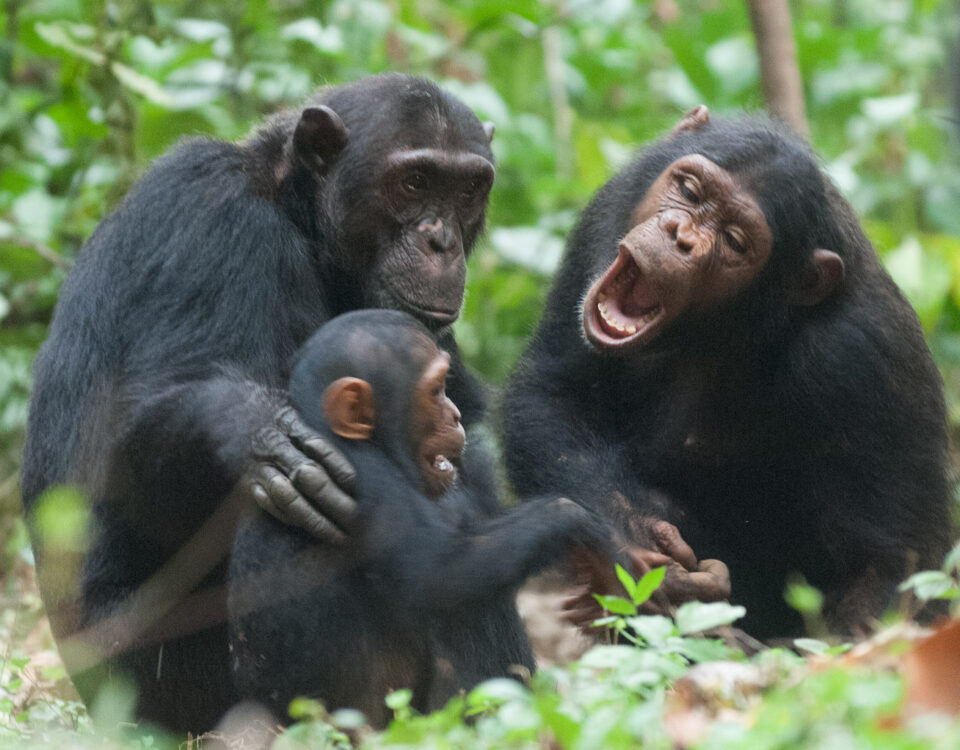
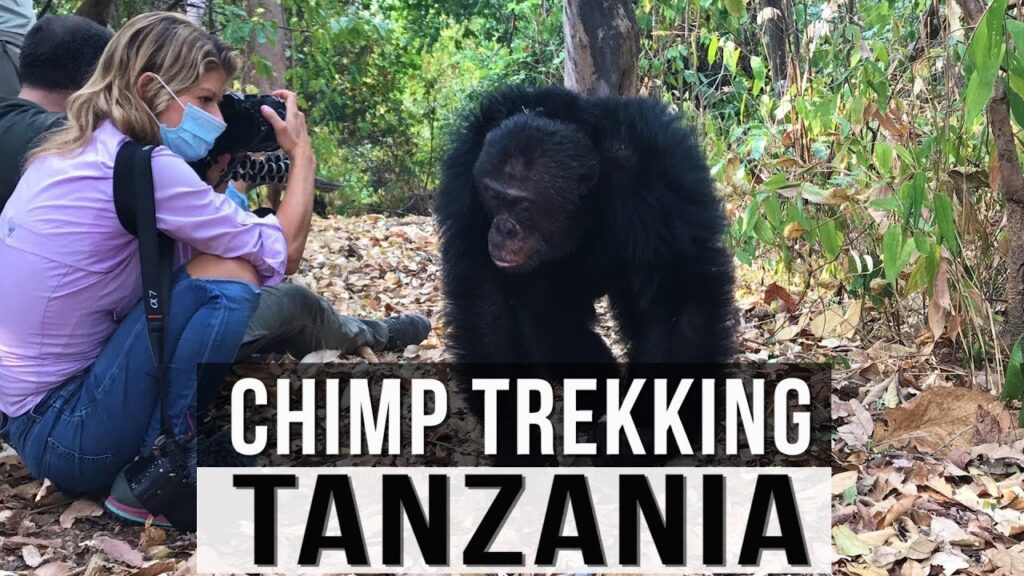
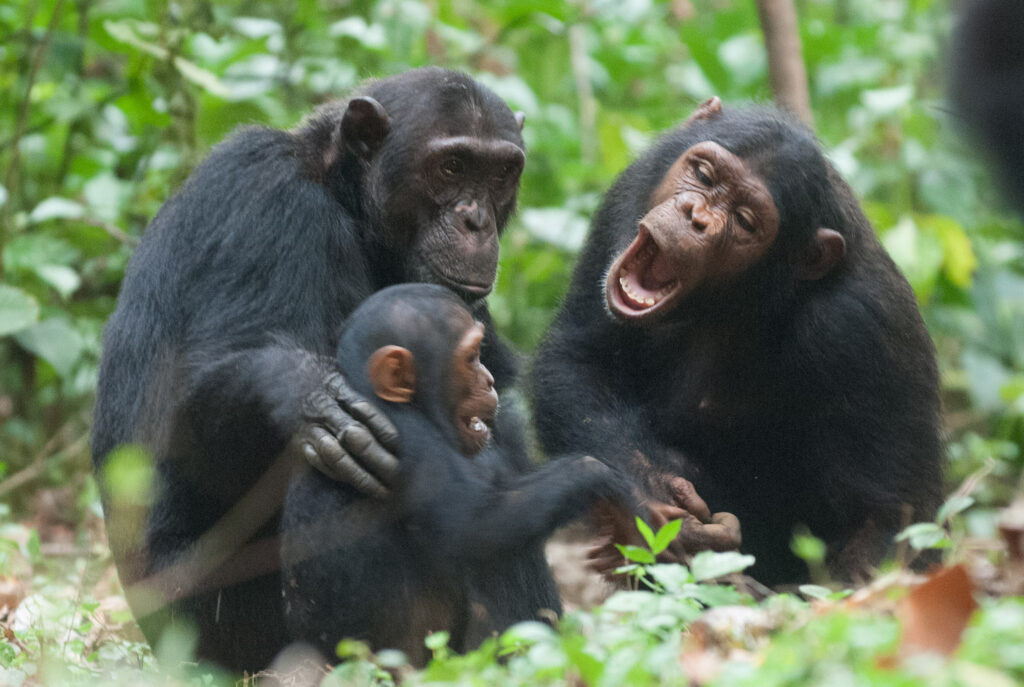
Travelers embarking on a Rwandan wildlife safari can expect an immersive blend of adventure, education, and cultural engagement. Each safari is carefully structured to provide close encounters with a variety of species while ensuring comfort and safety. In Nyungwe Forest National Park, participants often trek through lush greenery in search of chimpanzees and other primates, offering a rare chance to observe complex social behaviors in the wild. Hikes are guided by professional rangers who provide deep insights into animal habits, forest ecology, and conservation initiatives, making these treks ideal for those interested in Rwanda Birding Safaris or primate-focused expeditions. Encounters with gorillas in Volcanoes National Park further elevate expectations, giving travelers a once-in-a-lifetime opportunity to experience these gentle giants in their natural environment.
Beyond wildlife sightings, a Rwandan wildlife safari often integrates cultural interactions, especially for those interested in Rwanda Cultural Safaris. Visiting nearby communities provides perspective on Rwanda’s harmonious coexistence between humans and wildlife. Educational briefings from guides and conservationists enhance understanding of ongoing wildlife protection efforts. Participants can anticipate physically engaging treks, emotional connections with the animals, and unparalleled photographic opportunities. Tanzania Uganda Safaris ensures that every safari is a seamless blend of adventure, learning, and relaxation. Travelers are encouraged to prepare adequately, bringing essential gear, binoculars, and appropriate attire to fully embrace the safari experience. With careful planning, a Rwandan wildlife safari becomes not only a journey of discovery but also a deeply personal encounter with Rwanda’s extraordinary natural heritage.
When Is The Best Time to Spot Animals on a Rwandan Safari?
Timing significantly influences wildlife visibility during a Rwandan wildlife safari. The dry seasons, from mid-December to early February and June through September, provide the most favorable conditions for spotting animals. Trails are clearer, rivers more accessible, and forest floors easier to navigate, enhancing the likelihood of observing chimpanzees, gorillas, and other mammals in their natural habitats. Birdwatchers benefit particularly during these months, as migratory and endemic species are more active and easier to observe during Rwanda Birding Safaris. Weather conditions directly impact the quality of wildlife sightings, so aligning your safari with optimal seasons ensures a richer, more rewarding experience.
Planning a safari during the dry season also enhances opportunities for photography, cultural interactions, and participation in extended activities like gorilla trekking safaris. Tanzania Uganda Safaris provides seasonal guides, ensuring travelers can maximize their safari experience without compromising comfort or safety. Even during wetter months, strategic planning allows guests to witness diverse wildlife behaviors, such as chimpanzee nesting and gorilla feeding patterns. Understanding the best time to visit is crucial for those aiming to experience Rwanda Best Safari adventures, as it ensures memorable sightings, comfortable trekking conditions, and a comprehensive understanding of Rwanda’s ecological diversity. With Tanzania Uganda Safaris’ guidance, timing your safari optimally guarantees both spectacular wildlife encounters and a seamless travel experience.
Why Choose Tanzania Uganda Safaris for Your Rwandan Wildlife Safari?
Selecting the right safari operator is essential for a successful Rwandan wildlife safari. Tanzania Uganda Safaris combines expertise, professionalism, and a commitment to ethical tourism to deliver unparalleled experiences. Our knowledgeable guides are trained in primate tracking, bird identification, and ecological education, making each safari highly informative and engaging. We carefully design itineraries that balance wildlife sightings with cultural immersion, allowing visitors to experience the full spectrum of Rwanda’s natural and cultural heritage through Rwanda Cultural Safaris and specialized gorilla trekking safaris.
Safety, comfort, and sustainability are at the core of every safari we offer. Tanzania Uganda Safaris supports local communities, contributes to wildlife conservation projects, and ensures minimal environmental impact, positioning our brand as a trusted authority in Rwanda tourism. Travelers benefit from personalized advice, including detailed recommendations on what to bring, ideal trekking routes, and seasonal insights, ensuring every Rwandan wildlife safari is a seamless, enriching, and unforgettable journey. By choosing Tanzania Uganda Safaris, visitors gain more than a safari; they embark on an expertly guided exploration of Rwanda’s extraordinary wildlife and natural beauty, establishing lifelong memories while supporting sustainable tourism initiatives.
Conclusion
A Rwandan wildlife safari provides travelers with extraordinary opportunities to encounter some of Africa’s most remarkable animals, from gorillas and chimpanzees to endemic bird species and elusive antelopes. Understanding what to expect, knowing the best seasons, and selecting a trusted operator like Tanzania Uganda Safaris ensures a rich, immersive, and ethical safari experience. Combining wildlife observation with cultural engagement through Rwanda Cultural Safaris and birdwatching via Rwanda Birding Safaris creates a holistic journey that highlights Rwanda’s unique biodiversity. Each safari is thoughtfully curated to educate, inspire, and entertain, establishing Tanzania Uganda Safaris as a leading source of authoritative, reliable, and memorable Africa tourism content. Whether it is a gorilla trekking safari or a wildlife-focused exploration, travelers can anticipate a journey of discovery, adventure, and lasting connection with Rwanda’s natural heritage.