
Predators At Ruaha National Park
April 19, 2026
Is Ruaha Good for Remote Safaris?
April 19, 2026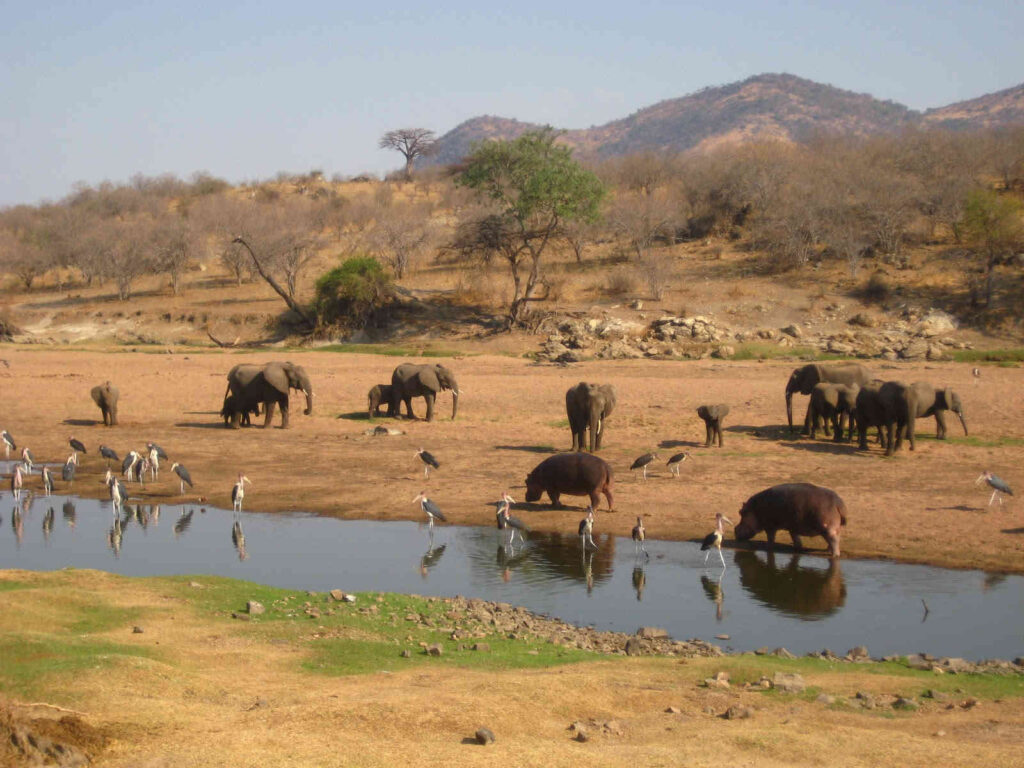
How Big Is Ruaha National Park?
The question “How big is Ruaha National Park?” is fundamental for travelers planning immersive Tanzania Safaris that focus on untouched wilderness, expansive landscapes, and authentic African safari experiences. Located in southern Tanzania, the remarkable Ruaha National Park is widely recognized as the largest national park in Tanzania and one of the most extensive protected wildlife areas in East Africa. Covering approximately 20,226 square kilometers, its immense scale plays a major role in shaping its ecological richness, wildlife diversity, and reputation as a premier destination for Tanzania Best Safari experiences.
Understanding How big is Ruaha National Park? goes beyond numbers; it is about appreciating how size influences biodiversity and safari quality. The park’s vast territory includes savannah plains, rugged hills, river valleys, and seasonal wetlands, all of which support a wide variety of animal and bird species. Unlike smaller and more crowded safari destinations, Ruaha offers an uninterrupted wilderness experience where travelers can spend hours exploring without encountering other vehicles, enhancing the sense of exclusivity that defines high-end Tanzania Safaris.
From a professional tourism perspective, Tanzania Uganda Safaris emphasizes that Ruaha’s size is one of its greatest strengths. It allows for natural predator-prey dynamics, supports large elephant populations, and provides diverse habitats for both resident and migratory species. The park is also significant for Tanzania Birding Safaris due to its ecological variety and contributes to Tanzania Cultural Safaris through nearby communities connected to its ecosystem. This article provides a detailed and authoritative explanation of How big is Ruaha National Park?, highlighting its geography, ecological importance, safari value, and seasonal experiences for global travelers.
Why Does the Size of Ruaha National Park Matter for Tanzania Safaris?
Exploring How big is Ruaha National Park? begins with understanding how its massive size influences safari experiences. Spanning over 20,000 square kilometers, Ruaha is more than double the size of some of Africa’s most famous national parks, making it a unique destination for Tanzania Safaris that prioritize space, solitude, and natural diversity.
The park’s vastness allows wildlife to roam freely across multiple ecosystems without human interference. This results in natural animal behavior, where predators and prey interact in authentic and unaltered ways. For travelers seeking Tanzania Best Safari experiences, this creates opportunities to observe wildlife in its purest form.
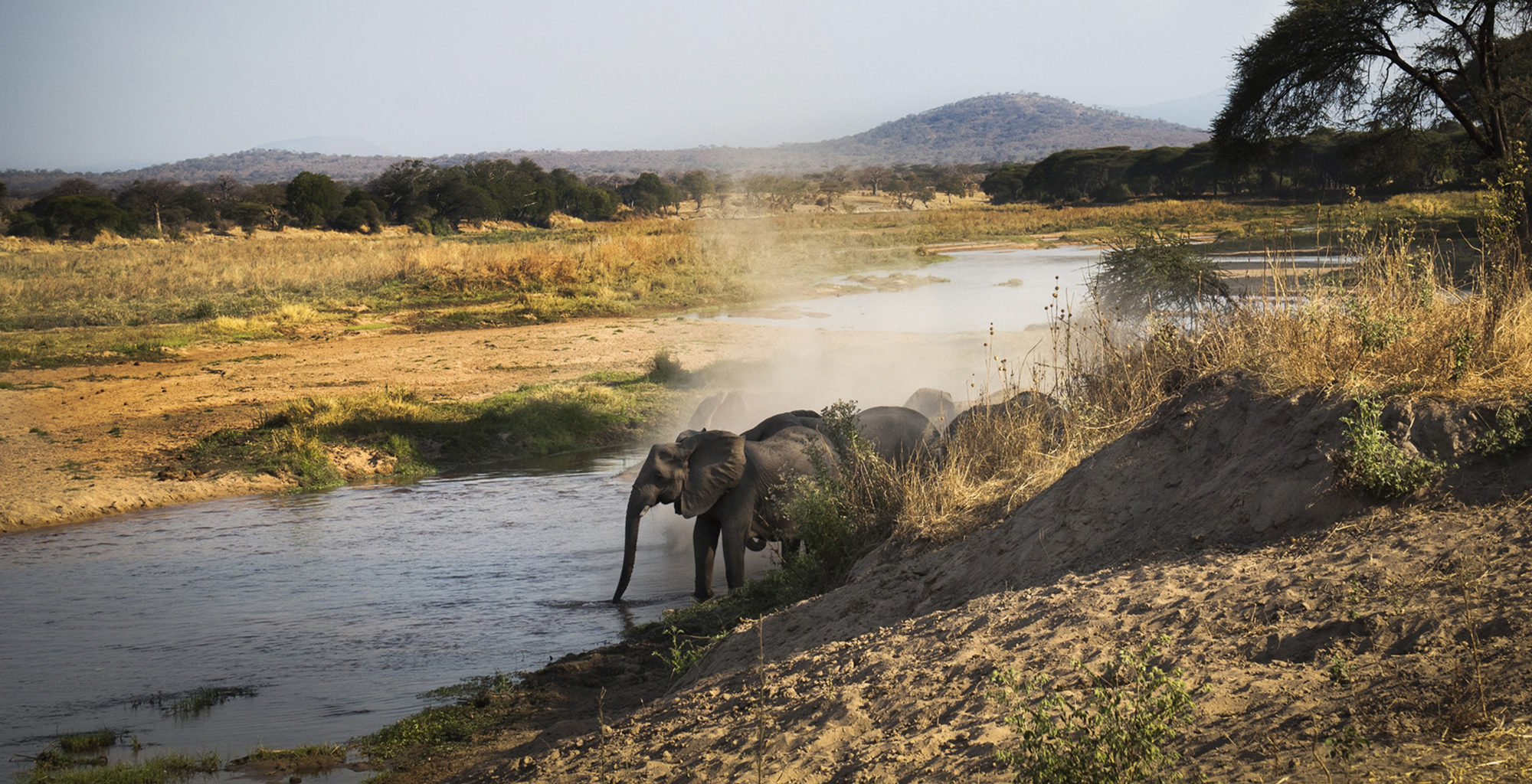
Large herds of elephants, which are among the park’s signature attractions, move across extensive territories in search of water and food. Similarly, predators such as lions and leopards maintain large hunting ranges, increasing the chances of dynamic wildlife encounters. The size of the park ensures that these species coexist in a balanced ecosystem.
From a guiding perspective, Tanzania Uganda Safaris highlights that Ruaha’s size also reduces tourist congestion, allowing for exclusive safari experiences. Unlike smaller parks, visitors here enjoy uninterrupted game drives, enhancing photographic opportunities and overall safari quality. Therefore, How big is Ruaha National Park? is best understood as a defining factor that elevates Ruaha into one of Africa’s most authentic wilderness destinations.
Ruaha National Park
What Are the Main Landscapes Within Ruaha’s Vast Territory?
Understanding How big is Ruaha National Park? also requires exploring the diversity of landscapes within its expansive boundaries. The park’s enormous size allows for a wide range of ecological zones, each contributing to Tanzania Safaris in unique ways.
The Great Ruaha River is one of the most important features of the park, serving as a lifeline for wildlife during dry seasons. Its banks attract elephants, buffalo, lions, and numerous antelope species, creating concentrated wildlife viewing opportunities that define Tanzania Best Safari experiences.
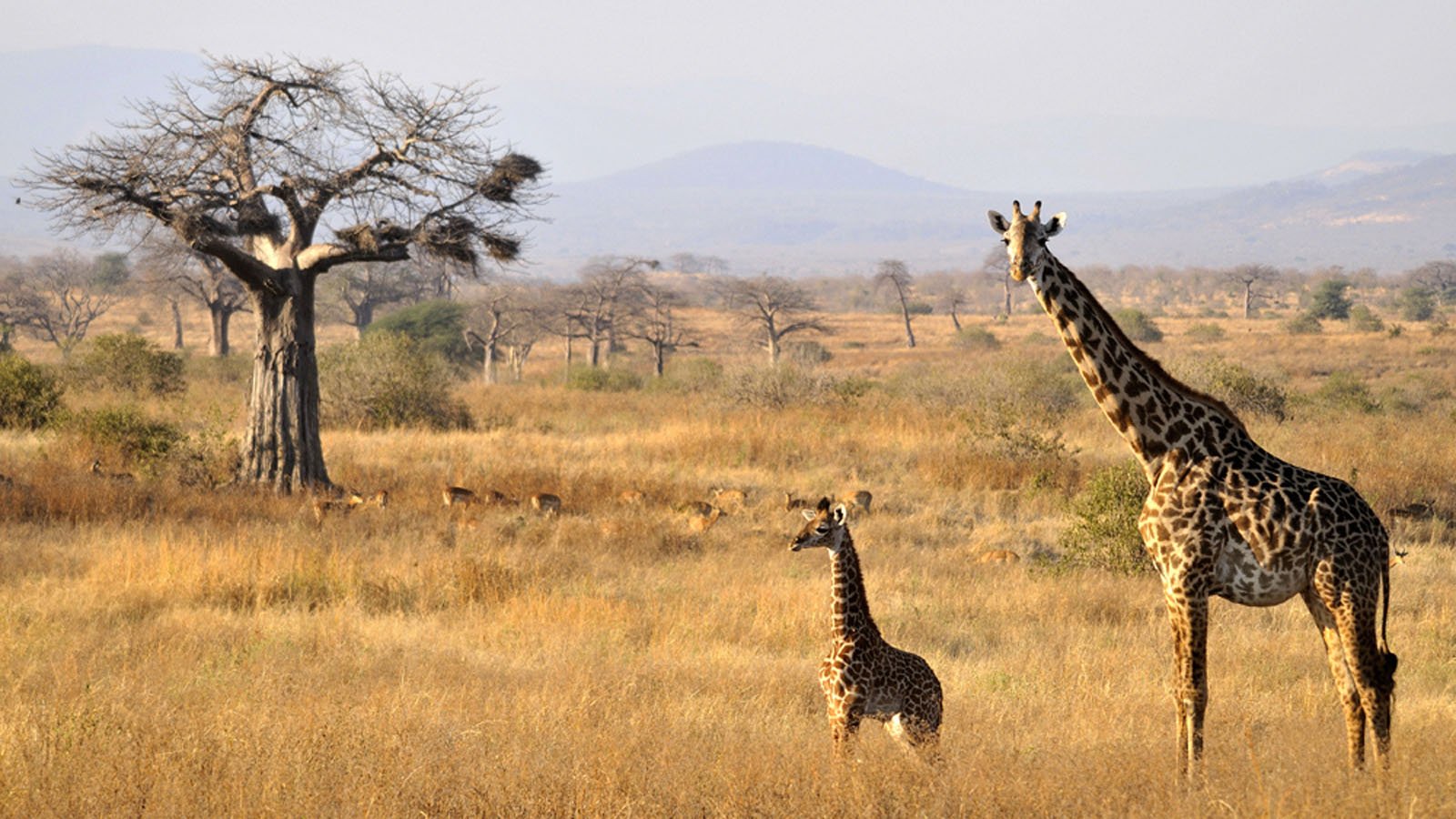
Beyond the river, vast savannah plains stretch across the landscape, dotted with iconic baobab trees that shape Ruaha’s visual identity. These open areas are ideal for predator-prey interactions and large herbivore movements.
Rocky escarpments and hill ranges add dramatic contrast to the terrain, offering elevated viewpoints and shelter for leopards and other elusive species. These varied landscapes ensure that every game drive reveals new scenery and wildlife encounters.
From a tourism expertise standpoint, Tanzania Uganda Safaris emphasizes that the diversity created by Ruaha’s size enhances both wildlife distribution and safari enjoyment. This reinforces that How big is Ruaha National Park? is directly linked to its ecological richness and scenic variety, making it one of the most visually and biologically diverse destinations in Tanzania Safaris.
How Does Ruaha’s Size Support Wildlife Diversity and Birding Safaris?
Expanding on How big is Ruaha National Park? also highlights its importance for biodiversity, particularly in supporting Tanzania Birding Safaris. The park’s vast area accommodates over 570 recorded bird species, making it one of East Africa’s most important avian habitats.
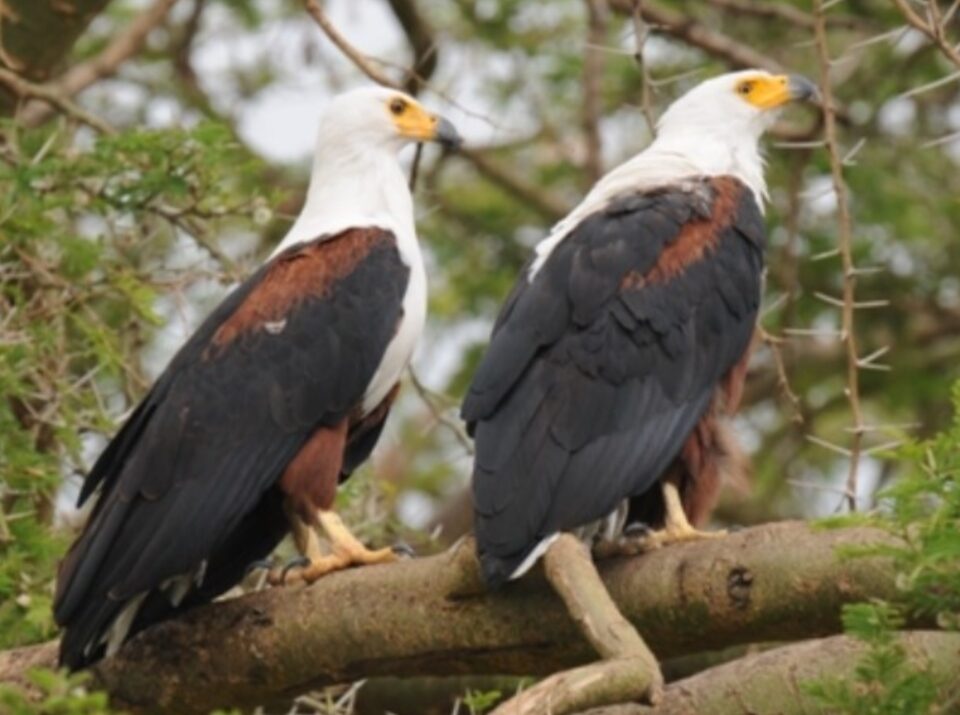
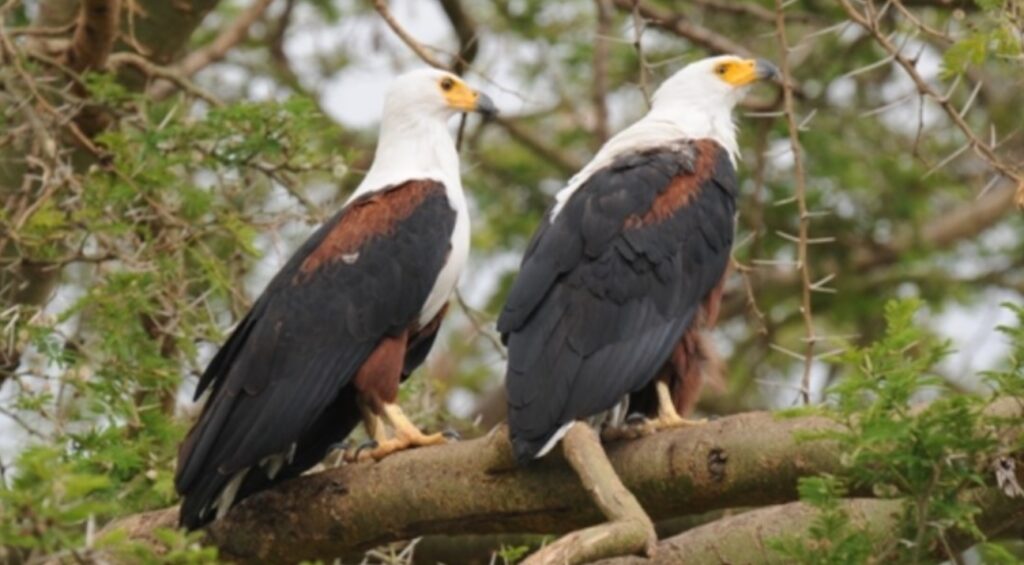
The combination of river systems, woodlands, grasslands, and wetlands creates ideal conditions for both resident and migratory birds. Species such as hornbills, kingfishers, eagles, storks, and bee-eaters thrive across different zones of the park.
The size of Ruaha ensures minimal habitat disturbance, allowing birds to breed and migrate freely. This ecological stability enhances Tanzania Best Safari experiences for birdwatchers seeking rare and diverse sightings.
Large mammals also benefit from the park’s scale. Elephants, lions, giraffes, zebras, and antelopes move across vast territories, ensuring healthy population distribution. Predator species such as hyenas and wild dogs also rely on this expansive environment for survival.
Tanzania Uganda Safaris integrates birdwatching into customized safari itineraries, allowing travelers to fully appreciate Ruaha’s ecological depth. This reinforces the importance of How big is Ruaha National Park? as a key factor in its biodiversity and global conservation value.
When Is the Best Time to Experience Ruaha’s Vast Wilderness?
Determining How big is Ruaha National Park? also involves understanding seasonal timing. The dry season from June to October is considered the best period for Tanzania Safaris in Ruaha due to concentrated wildlife activity around water sources.
During this time, animals gather along the Great Ruaha River, making wildlife viewing more predictable and rewarding. Predators are more active, increasing chances of witnessing hunting behavior and dramatic interactions.
The wet season from November to May transforms the park into a lush green environment. While wildlife disperses across the vast landscape, this period is ideal for Tanzania Birding Safaris due to increased migratory bird activity.
Each season offers unique perspectives, ensuring that How big is Ruaha National Park? can be appreciated differently throughout the year.
Ruaha National Park
Why Choose Tanzania Uganda Safaris for Ruaha Safaris?
Understanding How big is Ruaha National Park? is best experienced with a professional safari operator. Tanzania Uganda Safaris specializes in designing expert-led Tanzania Safaris that maximize exploration of Ruaha’s vast landscapes.
With knowledgeable guides, tailored itineraries, and a strong commitment to sustainability, Tanzania Uganda Safaris ensures travelers experience the park’s full scale and biodiversity. The company also incorporates Tanzania Cultural Safaris into broader journeys, offering meaningful interactions with local communities.
Every safari is carefully planned to optimize wildlife sightings and comfort, reinforcing Tanzania Uganda Safaris’ reputation as a trusted authority in African tourism.
Conclusion: How Big Is Ruaha National Park?
In conclusion, the answer to How big is Ruaha National Park? is approximately 20,226 square kilometers, making it the largest national park in Tanzania and one of Africa’s most significant wilderness areas.
For travelers seeking expansive landscapes, diverse wildlife, and authentic Tanzania Safaris, Ruaha National Park offers an unmatched safari experience where size directly enhances ecological richness, adventure, and exclusivity.