What altitude sickness risks exist on Kilimanjaro?
April 19, 2026
Why Is Gombe Stream National Park Famous?
April 19, 2026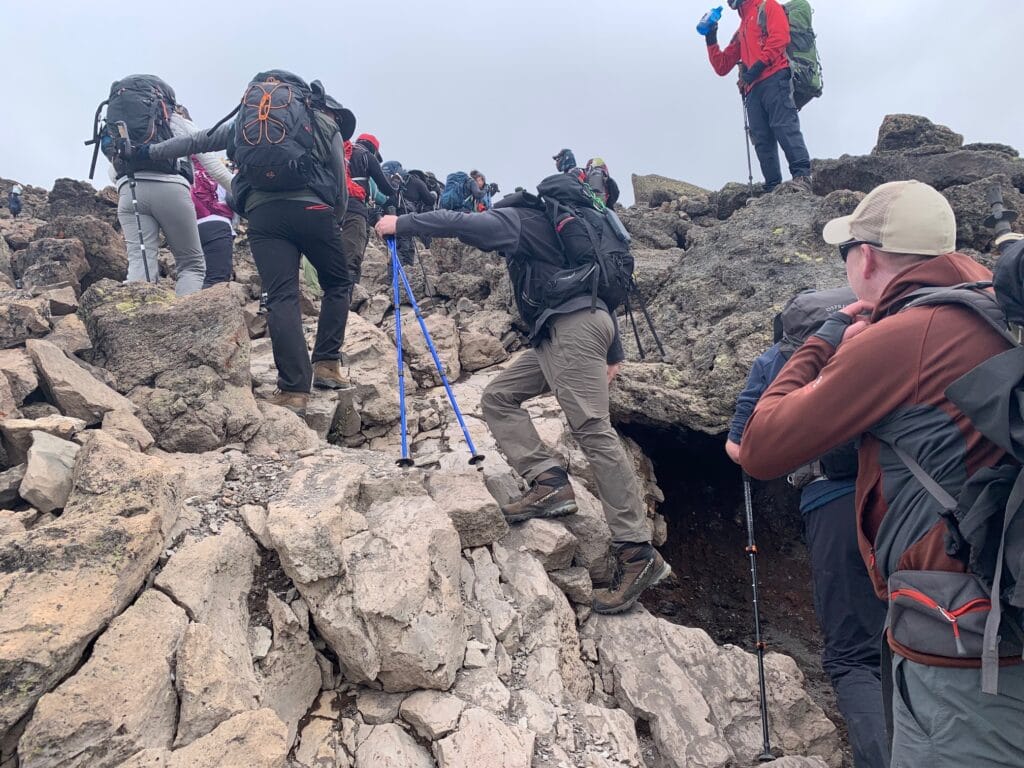
Kilimanjaro Training Plan: Step-by-Step Guide, Advice & Tips
Do I Need Training for Kilimanjaro Trekking? This is one of the most important questions for travelers planning physically demanding Tanzania Safaris that go beyond wildlife viewing into high-altitude adventure. Rising majestically above northern Tanzania, the Mount Kilimanjaro stands as Africa’s highest peak and one of the world’s most iconic trekking destinations. Unlike traditional Tanzania Safaris focused on game drives, climbing Kilimanjaro requires endurance, preparation, and mental resilience to complete a multi-day ascent through diverse ecological zones.
Exploring Kilimanjaro is widely recognized as a highlight of Tanzania Best Safari experiences for adventure travelers seeking a rewarding physical challenge. Although technical climbing skills are not required, proper physical training significantly increases comfort, endurance, and summit success rates. The journey involves walking for several hours daily at high altitude, where oxygen levels decrease and physical exertion becomes more demanding.
Understanding Do I Need Training for Kilimanjaro Trekking? is essential because preparation directly impacts performance and safety during the climb. Trekkers move through rainforest, heath, alpine desert, and icy summit conditions, making physical readiness a key factor in adapting to changing environments.
Tanzania Uganda Safaris provides expertly guided Kilimanjaro expeditions supported by professional preparation advice. When combined with Tanzania Cultural Safaris, Tanzania Birding Safaris, or Hiking Safaris across scenic landscapes, the journey becomes a complete East African adventure that blends fitness, discovery, and cultural immersion.
What Type of Fitness Is Required for Kilimanjaro Trekking?
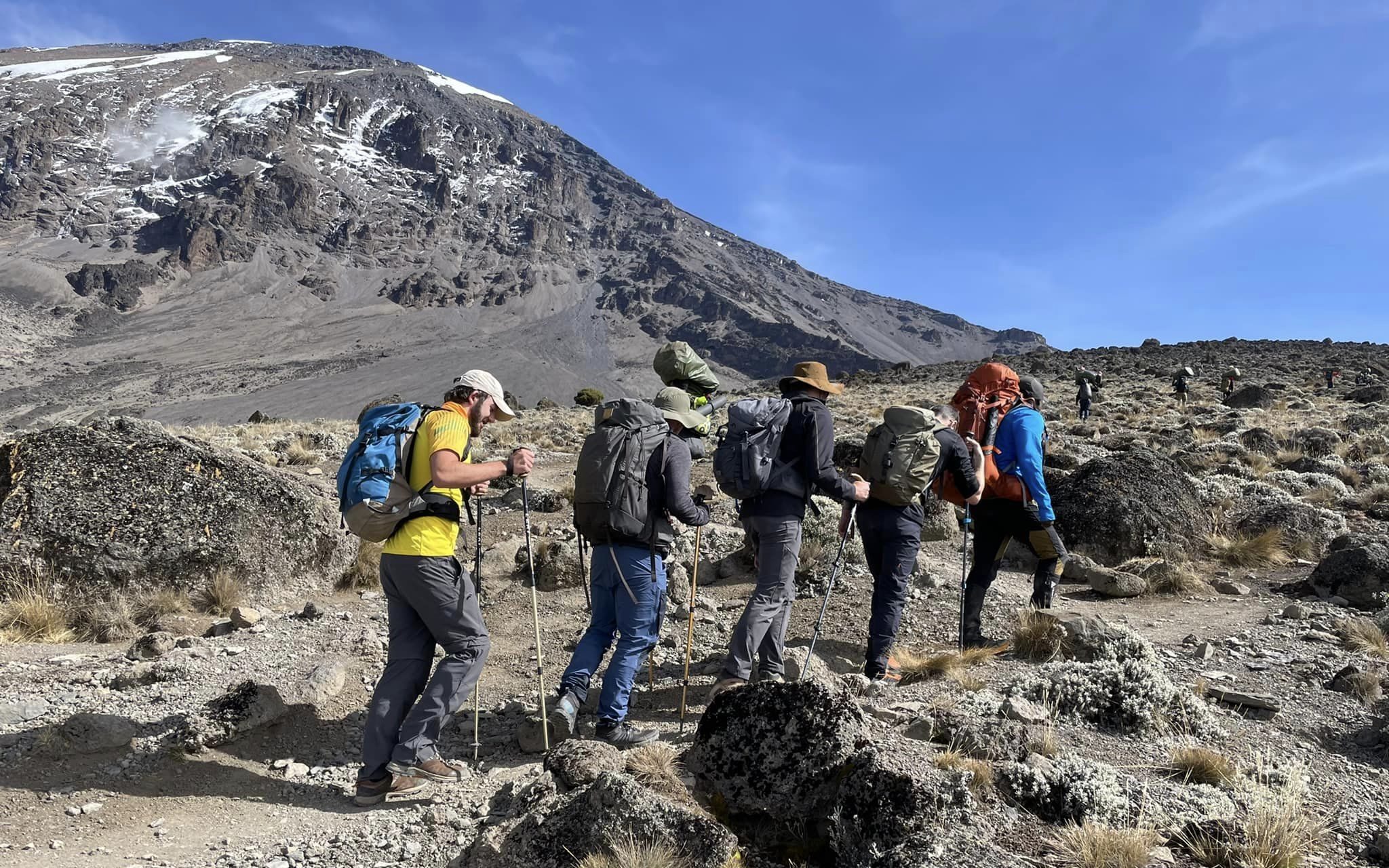
Do I Need Training for Kilimanjaro Trekking? Climbing Mount Kilimanjaro does not require technical mountaineering skills, but it does demand a moderate to high level of physical fitness. The trek involves long walking days, steep ascents, and gradual altitude gain, all of which require endurance and stamina.
Cardiovascular fitness is especially important because trekkers spend several hours walking each day at increasing elevations. Activities such as hiking, jogging, cycling, and swimming help build the endurance needed for Tanzania Safaris trekking experiences.
Leg strength and core stability also play a major role in maintaining balance and reducing fatigue during long climbs. Training routines that include stair climbing and uphill walking are highly recommended for preparation.
Mental resilience is equally important, as altitude and weather conditions can challenge motivation. Maintaining a steady pace and positive mindset is essential for success on Tanzania Best Safari climbing journeys.
Understanding Do I Need Training for Kilimanjaro Trekking? highlights that preparation focuses on endurance rather than technical ability.
What Kind of Training Should You Do Before Kilimanjaro?
Do I Need Training for Kilimanjaro Trekking? Preparing for Mount Kilimanjaro involves structured physical training that builds stamina, strength, and adaptability to long-distance trekking conditions.
Endurance training is essential and should include regular hiking sessions with a backpack to simulate trekking conditions. Gradually increasing distance and elevation helps the body adjust to sustained effort required during Tanzania Safaris expeditions.
Cardiovascular exercises such as running, swimming, or cycling improve lung capacity and overall fitness, which is crucial for high-altitude environments. These activities support oxygen efficiency during the climb.
Strength training focusing on legs, back, and core muscles enhances stability on uneven terrain. Exercises like squats, lunges, and step-ups are particularly effective for preparing for Hiking Safaris in mountainous regions.
Acclimatization practice, such as hiking at higher altitudes if possible, helps the body adapt to reduced oxygen levels. This preparation improves comfort and reduces the risk of altitude sickness.
Understanding Do I Need Training for Kilimanjaro Trekking? ensures travelers approach the climb with proper physical readiness, increasing enjoyment and success rates.
What routes are used for Kilimanjaro climb
Why Is Training Important for Kilimanjaro Success?
Do I Need Training for Kilimanjaro Trekking? Training plays a critical role in determining success on Mount Kilimanjaro because the challenge is primarily endurance-based rather than technical climbing.
Proper preparation reduces fatigue during long trekking days, allowing climbers to maintain steady progress across varying terrain. This is essential for completing Tanzania Safaris trekking routes successfully.
Training also improves the body’s ability to adapt to altitude changes, which is one of the most challenging aspects of the climb. Without preparation, climbers may experience increased difficulty adjusting to thinner air at higher elevations.
Physical readiness enhances safety by reducing the risk of injury, exhaustion, and altitude-related complications. This makes preparation a key component of Tanzania Best Safari trekking experiences.
Mental preparation gained through training also builds confidence and resilience, helping trekkers stay motivated throughout the ascent.
Understanding Do I Need Training for Kilimanjaro Trekking? highlights that preparation is not optional but a vital factor for a successful summit experience.
When Is the Best Time to Climb Mount Kilimanjaro?
Do I Need Training for Kilimanjaro Trekking? Timing your climb on Mount Kilimanjaro also affects training effectiveness and trekking conditions. The best periods for climbing are during the dry seasons, from January to March and June to October.
During these months, weather conditions are stable, trails are safer, and visibility is clearer, making it easier to manage physical effort during Tanzania Safaris expeditions.
Rainy seasons from April to May and November present more challenging terrain conditions, requiring additional endurance and experience. However, they also offer quieter routes and lush scenery.
Aligning training schedules with optimal climbing seasons ensures better preparation and improved summit success rates.
Understanding Do I Need Training for Kilimanjaro Trekking? includes recognizing how seasonal timing supports both physical readiness and overall trekking experience.
Why Choose Tanzania Uganda Safaris for Your Tanzania Best Safari?
Do I Need Training for Kilimanjaro Trekking? Choosing the right safari operator ensures proper preparation, guidance, and safety throughout the journey. Tanzania Uganda Safaris specializes in expertly organized Tanzania Safaris that include professional Kilimanjaro trekking support.
Partnering with Tanzania Uganda Safaris provides access to experienced mountain guides who offer pre-trek preparation advice, route selection guidance, and on-trail support for Mount Kilimanjaro expeditions.
Combining Kilimanjaro trekking with Tanzania Cultural Safaris, Tanzania Birding Safaris, and Hiking Safaris creates a complete adventure experience that reflects the diversity of Tanzania Best Safari journeys.
Understanding Do I Need Training for Kilimanjaro Trekking? becomes easier with expert guidance that ensures travelers are physically prepared, well-informed, and fully supported throughout the climb. Tanzania Uganda Safaris remains committed to delivering safe, professional, and unforgettable trekking experiences in Tanzania.