Best time to climb Kilimanjaro
April 19, 2026
Kilimanjaro Training Plan: Step-by-Step Guide, Advice & Tips
April 19, 2026
What altitude sickness risks exist on Kilimanjaro?
Mount Kilimanjaro, Africa’s highest peak and a signature highlight within premium Tanzania Safaris, presents a unique trekking challenge due to its extreme altitude changes. As climbers ascend from the tropical base to the Arctic summit zone, the rapid decrease in oxygen levels introduces a medical condition commonly known as altitude sickness or Acute Mountain Sickness (AMS). This condition is one of the most important factors to understand when planning a successful ascent as part of the Tanzania Best Safari experience, because it affects climbers regardless of age, fitness level, or prior trekking experience.
Altitude sickness on Kilimanjaro typically begins above 2,500 meters, where the body starts to struggle with reduced oxygen availability. Symptoms may include headaches, dizziness, nausea, fatigue, and difficulty sleeping. In more severe cases, conditions such as High Altitude Pulmonary Edema (HAPE) or High Altitude Cerebral Edema (HACE) can develop, both of which require immediate descent and medical attention. These risks make acclimatization a critical element of any Kilimanjaro trekking itinerary, especially for travelers seeking safe and rewarding Tanzania Safaris adventures.
Different climbing routes influence the likelihood of altitude sickness. Longer routes such as Lemosho and Northern Circuit allow gradual ascent, giving the body more time to adapt, while shorter routes like Marangu increase the risk due to faster elevation gain. Tanzania Uganda Safaris emphasizes carefully structured itineraries that prioritize safety, proper acclimatization, and professional guidance to minimize altitude-related risks and ensure a successful summit experience.
How does altitude affect Hiking Safaris and Tanzania Birding Safaris on Kilimanjaro?
Altitude changes on Mount Kilimanjaro significantly influence both physical performance and ecological diversity, making it a unique destination for Hiking Safaris and nature-based exploration. As climbers ascend, oxygen levels decrease progressively, requiring the body to work harder with each step. This physiological challenge affects stamina, breathing, and overall endurance, especially during long trekking days across steep and varied terrain.
The lower slopes of Kilimanjaro offer rich opportunities for Tanzania Birding Safaris, where montane forests support a wide range of bird species. However, as altitude increases, vegetation becomes sparse, and wildlife diversity decreases due to harsher climatic conditions. This transition from lush rainforest to alpine desert provides a dramatic ecological shift that enhances the overall trekking experience, making Kilimanjaro one of the most diverse Tanzania Safaris destinations in terms of environmental zones.
Climbers often experience noticeable changes in energy levels as they ascend above 3,000 meters. Headaches and fatigue become more common, particularly if proper hydration and pacing are not maintained. Guided trekking support becomes essential at this stage, as experienced guides monitor climbers closely and adjust walking speeds to reduce altitude-related stress. Tanzania Uganda Safaris integrates structured acclimatization strategies into every itinerary, ensuring that trekkers gradually adapt to changing oxygen levels while continuing to enjoy the natural beauty of Kilimanjaro.
This careful balance between physical challenge and ecological exploration is what makes Kilimanjaro a defining highlight of the Tanzania Best Safari experience, offering both adventure and education within a single journey.
What role does acclimatization play in Tanzania Cultural Safaris and Kilimanjaro safety?
Acclimatization is one of the most important factors in reducing altitude sickness risks during a Kilimanjaro climb, and it plays a crucial role in ensuring a successful Tanzania Safaris trekking experience. Proper acclimatization allows the body to gradually adjust to reduced oxygen levels, minimizing the likelihood of severe altitude-related illnesses and improving overall summit success rates.
Longer routes such as Lemosho and Northern Circuit are specifically designed to support gradual acclimatization. These routes provide “climb high, sleep low” opportunities that help the body adapt naturally to changing elevations. This method significantly reduces altitude sickness risks and enhances endurance, making it a preferred choice for travelers seeking a safer version of the Tanzania Best Safari mountain experience.
Cultural interactions along Kilimanjaro also contribute indirectly to acclimatization awareness. Through Tanzania Cultural Safaris experiences, climbers engage with local Chagga communities who share traditional knowledge about the mountain and its environmental conditions. These insights often include practical advice on pacing, hydration, and respect for natural rhythms, which align with modern altitude safety practices.
During the ascent, professional guides continuously monitor climbers for early symptoms of altitude sickness and adjust itineraries accordingly. This proactive approach ensures that safety remains the top priority while still allowing travelers to enjoy the full beauty of Kilimanjaro’s diverse landscapes. Tanzania Uganda Safaris places strong emphasis on education, preparation, and guided support to ensure that every climber is fully informed and protected throughout their journey.
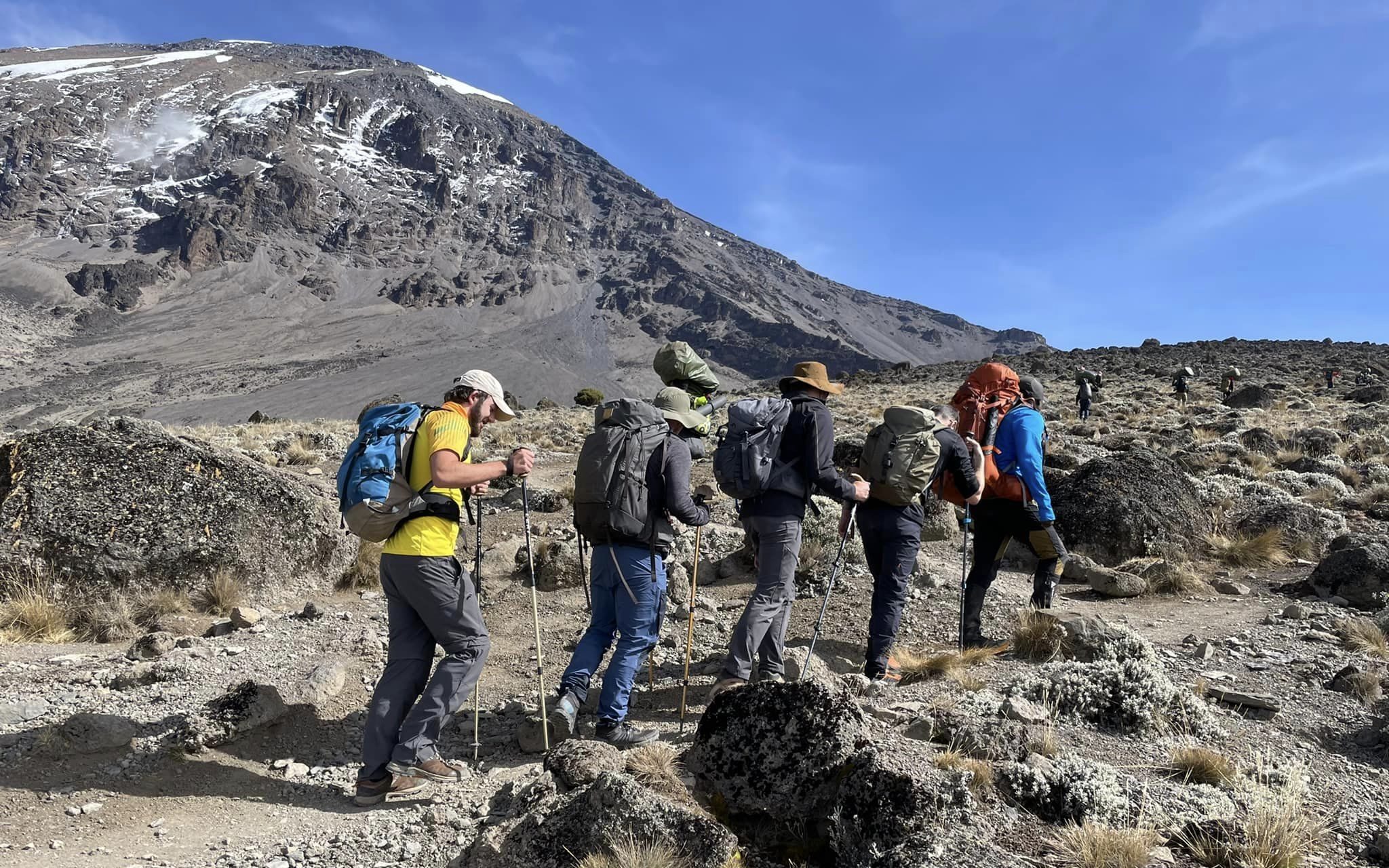
What routes are used for Kilimanjaro climb
When is the best time to reduce altitude sickness risks on Kilimanjaro?
Timing plays a significant role in minimizing altitude sickness risks during Kilimanjaro climbs, especially within the broader context of Tanzania Safaris. The best periods for safe and successful ascents are the dry seasons, which occur from January to March and June to October. These months provide stable weather conditions, clear skies, and safer trekking environments that support gradual and controlled climbing.
June to October is the most popular climbing season due to its predictable weather and high summit success rates. During this period, trails are less slippery, and visibility is excellent, allowing climbers to focus on steady pacing and proper acclimatization. This season is ideal for travelers seeking the Tanzania Best Safari experience with reduced environmental stress and optimal mountain conditions.
January to March offers cooler temperatures and fewer crowds, which can also contribute to a more relaxed climbing experience. Reduced congestion on routes such as Lemosho and Rongai allows for better pacing and less pressure on climbers, indirectly lowering altitude sickness risks. This makes it a preferred period for those seeking a quieter and more personalized Hiking Safaris adventure.
Rainy seasons, particularly April to May, present additional challenges such as slippery trails and reduced visibility, which can increase physical strain and complicate acclimatization. Tanzania Uganda Safaris carefully advises travelers on seasonal planning to ensure safe timing, proper route selection, and optimal health conditions for a successful Kilimanjaro ascent.
Why choose Tanzania Uganda Safaris for safe Kilimanjaro climbing and Tanzania Safaris?
Tanzania Uganda Safaris is a trusted leader in delivering professionally guided Tanzania Safaris and Kilimanjaro trekking experiences with a strong focus on safety, acclimatization, and traveler well-being. With extensive expertise in high-altitude trekking, the company ensures that every itinerary is designed to minimize altitude sickness risks while maximizing summit success and enjoyment.
Expert knowledge of Tanzania Birding Safaris, Tanzania Cultural Safaris, and Hiking Safaris allows Tanzania Uganda Safaris to create holistic travel experiences that go beyond trekking alone. Each Kilimanjaro route is carefully selected based on altitude profiles, seasonal conditions, and individual fitness levels, ensuring that travelers experience the safest and most rewarding version of the Tanzania Best Safari adventure.
Trust, professionalism, and sustainability define Tanzania Uganda Safaris as a reliable authority in African tourism. The company works closely with certified guides and local communities to ensure responsible tourism practices and continuous monitoring of climbers’ health throughout the journey. For global travelers seeking expert guidance, safety assurance, and unforgettable mountain experiences, Tanzania Uganda Safaris remains a leading choice for Kilimanjaro expeditions and Tanzania’s wider safari landscape.