
Is Mafia Island good for diving and snorkeling?
April 18, 2026
Is Pemba Island Less Touristy Than Zanzibar?
April 18, 2026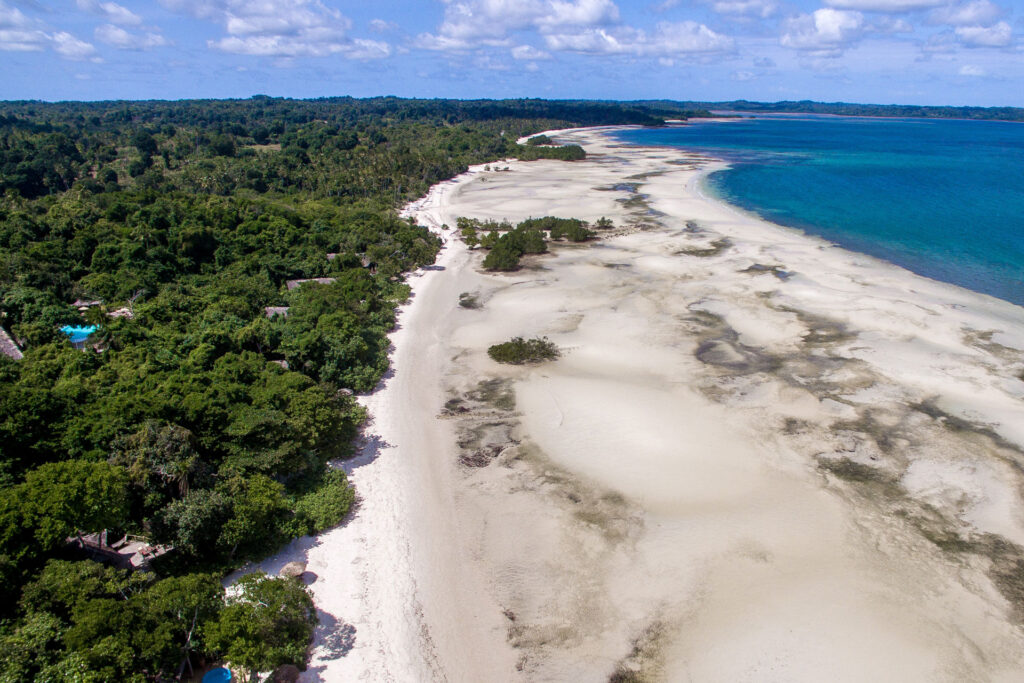
Why is Pemba Island Called the Green Island?
Why is Pemba Island called the green island? This question opens the door to one of the most captivating and lesser-explored coastal destinations in East Africa. Located within the Zanzibar Archipelago off the northeastern coast of Tanzania, Pemba Island presents a striking contrast to more widely visited safari circuits. Lush vegetation blankets its rolling hills, dense clove plantations perfume the air, and fertile soils sustain a thriving ecosystem that remains vibrant throughout the year. Unlike the drier savannahs often associated with Tanzania Safaris, Pemba offers a unique, tropical extension to the broader Tanzania Best Safari experience, blending coastal serenity with ecological richness.
Tanzania Uganda Safaris brings you a deeply immersive perspective into why Pemba Island holds such a distinctive identity. Rich biodiversity, traditional Swahili culture, and unspoiled landscapes converge to form a destination that speaks to travelers seeking authenticity and tranquility. Every corner of this island reveals a deeper layer of natural beauty, making it a compelling addition to Tanzania Cultural Safaris and Tanzania Birding Safaris alike. Understanding why Pemba Island is called the green island requires exploring its geography, ecosystems, and cultural fabric—elements that together shape its reputation as one of Africa’s most verdant and enchanting destinations.
What Makes Pemba Island So Lush and Green?
Why is Pemba Island called the green island? The answer lies in its extraordinary natural environment, which sets it apart from many other destinations in Tanzania Safaris. Fertile soils combined with consistent rainfall create ideal conditions for dense vegetation to flourish across the island. Rolling hills remain covered in thick forests, while expansive clove plantations dominate the agricultural landscape, contributing significantly to both the island’s economy and its green identity. Unlike mainland parks where seasonal dryness transforms landscapes, Pemba retains its vibrant greenery throughout the year, making it a year-round spectacle.
Abundant rainfall patterns nourish diverse plant species, allowing indigenous forests to thrive alongside cultivated crops. Coconut palms, banana groves, and spice farms form a rich tapestry of greenery that defines the island’s visual appeal. Travelers exploring Tanzania Cultural Safaris will find that local communities have harmoniously integrated agriculture with nature, preserving the island’s ecological balance for generations. Such sustainable practices enhance Pemba’s reputation as a pristine destination within the Tanzania Best Safari experience.
Elevated terrain further contributes to its lushness, as hills capture moisture and support varied vegetation zones. Scenic viewpoints reveal endless stretches of green, reinforcing why Pemba Island is called the green island. This natural abundance not only supports wildlife but also creates a serene environment ideal for relaxation and exploration. Visitors seeking a quieter alternative to crowded safari parks will find Pemba’s tranquil greenery both refreshing and unforgettable.
How Does Pemba Island Support Unique Wildlife and Birdlife?
Why is Pemba Island called the green island? Its thriving ecosystems provide a sanctuary for diverse wildlife, particularly bird species, making it an exceptional destination for Tanzania Birding Safaris. Dense forests and mangrove habitats create ideal conditions for endemic and migratory birds, offering birdwatchers a rare opportunity to observe species not easily found elsewhere. The island’s ecological isolation has allowed certain species to evolve uniquely, adding scientific and conservation value to its natural environment.
Bird enthusiasts will encounter species such as the Pemba green pigeon and Pemba sunbird, which contribute to the island’s reputation as a biodiversity hotspot. Rich vegetation ensures a steady supply of food and nesting sites, supporting both resident and seasonal bird populations. Such ecological richness strengthens Pemba’s position within Tanzania Safaris, particularly for travelers interested in specialized experiences beyond traditional wildlife viewing.
Marine ecosystems surrounding the island further enhance its biodiversity. Coral reefs, seagrass beds, and mangrove forests create interconnected habitats that sustain marine life, including fish, dolphins, and sea turtles. This seamless integration of terrestrial and marine environments explains why Pemba Island is called the green island, as its greenery extends beyond land into thriving coastal ecosystems. Visitors engaging in Tanzania Best Safari experiences will find that Pemba offers a refreshing blend of land and sea exploration, enriching their overall journey.
What Cultural Experiences Define Pemba Island?
Why is Pemba Island called the green island? Cultural heritage plays a significant role in shaping its identity alongside its natural beauty. Local communities maintain traditional lifestyles deeply connected to the land, practicing farming, fishing, and craftsmanship in ways that preserve both culture and environment. Travelers participating in Tanzania Cultural Safaris will discover authentic Swahili traditions, where daily life reflects centuries of history and adaptation to the island’s fertile landscape.
Clove farming remains central to Pemba’s economy and cultural identity. Farmers cultivate and harvest cloves using methods passed down through generations, contributing to the island’s nickname while sustaining livelihoods. Village tours provide insight into these practices, allowing visitors to engage directly with local communities and understand their relationship with the land. Such interactions add depth to the Tanzania Best Safari experience by highlighting human connections to nature.
Historic sites scattered across the island reveal layers of Swahili, Arab, and African influences. Ancient ruins, traditional homes, and coastal settlements tell stories of trade, migration, and cultural exchange. These elements collectively explain why Pemba Island is called the green island, as its cultural richness is intertwined with its natural environment. Visitors seeking meaningful travel experiences will find Pemba’s cultural landscape both enlightening and inspiring.
When Is the Best Time to Visit Pemba Island?
Why is Pemba Island called the green island? Its consistent greenery makes it appealing throughout the year, but timing your visit can enhance your overall experience. The dry seasons, typically from June to October and December to February, offer the most comfortable conditions for exploration. During these months, clear skies and moderate humidity create ideal opportunities for outdoor activities, including forest walks, cultural tours, and marine excursions.
Rainy seasons, particularly from March to May, bring heavier showers that further intensify the island’s lushness. While travel during this period may require flexibility, it provides a unique perspective on why Pemba Island is called the green island, as vegetation reaches its peak vibrancy. Birdwatchers participating in Tanzania Birding Safaris may find this time especially rewarding due to increased bird activity and breeding behaviors.
Seasonal variations also influence marine conditions, with calmer seas during dry months enhancing snorkeling and diving experiences. Travelers combining Pemba with broader Tanzania Safaris can plan their itinerary to align with wildlife migrations on the mainland while enjoying coastal relaxation on the island. Such strategic planning ensures a well-rounded Tanzania Best Safari experience that captures the diversity of the country.
Why Choose Tanzania Uganda Safaris for This Safari Experience?
Why is Pemba Island called the green island? Understanding this destination requires expert guidance, and Tanzania Uganda Safaris is uniquely positioned to deliver an authentic and enriching journey. Our deep knowledge of Tanzania Safaris allows us to curate experiences that seamlessly integrate Pemba Island into broader travel itineraries, ensuring travelers gain a comprehensive understanding of the region’s natural and cultural diversity.
Our approach prioritizes sustainability, cultural respect, and personalized service. Carefully designed Tanzania Cultural Safaris provide meaningful interactions with local communities while preserving their traditions and environment. Expert guides enhance Tanzania Birding Safaris by offering insights into endemic species and ecological dynamics, ensuring every moment is both educational and memorable.
Commitment to excellence defines every aspect of our service, from itinerary planning to on-ground support. Travelers seeking the Tanzania Best Safari experience will find that Tanzania Uganda Safaris delivers not only exceptional destinations but also a deeper connection to the places they visit. Choosing us means embarking on a journey that answers the question, “Why is Pemba Island called the green island?” with firsthand experiences that leave lasting impressions.
Conclusion: Embracing the Green Island Experience
Why is Pemba Island called the green island? The answer lies in its unmatched combination of fertile landscapes, rich biodiversity, and vibrant cultural heritage. Every element of the island—from its dense forests to its thriving communities—contributes to a destination that stands out within Tanzania Safaris. Travelers seeking authenticity, tranquility, and ecological beauty will find Pemba Island to be an extraordinary addition to their journey.
Tanzania Uganda Safaris invites you to explore this remarkable destination and discover for yourself why Pemba Island is called the green island. Through expertly crafted Tanzania Best Safari experiences, we ensure that every traveler gains a deeper appreciation of Africa’s natural and cultural treasures.