How Does Chimpanzee Trekking Work in Gombe Stream National Park?
March 9, 2026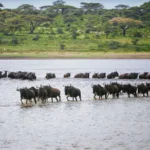
Where Can Visitors See the Dramatic River Crossings During the Migration?
March 9, 2026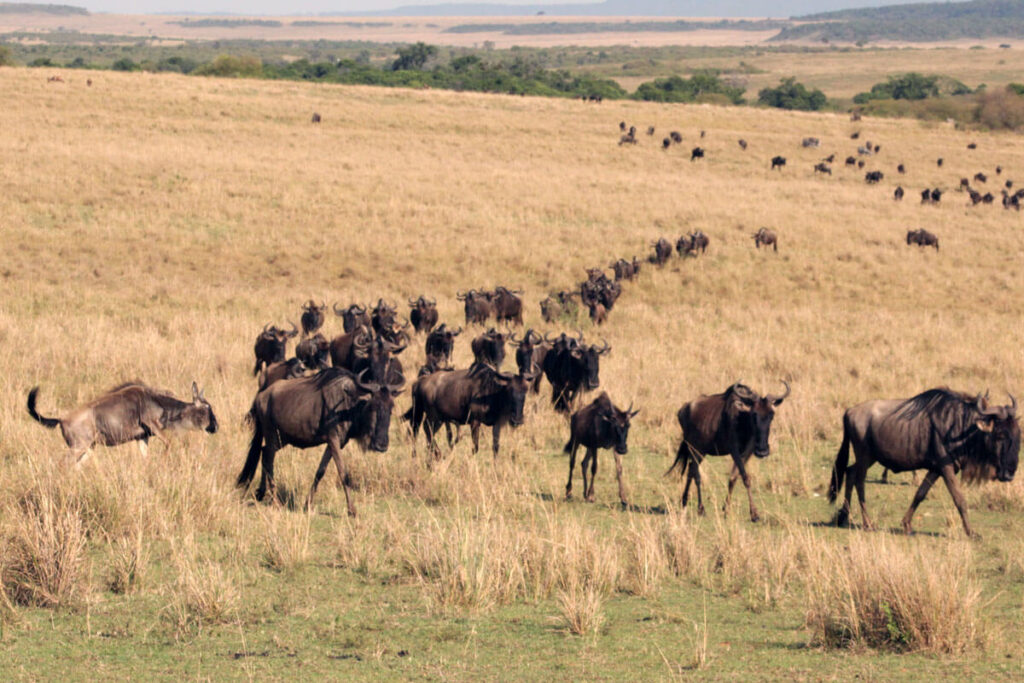
What Is the Great Migration and Where Can It Be Seen in Serengeti National Park?
The question “What Is the Great Migration and Where Can It Be Seen in Serengeti National Park?” introduces travelers to one of the most extraordinary wildlife spectacles on Earth. Across the vast plains of Serengeti National Park, millions of wildebeest, zebras, and gazelles move in a continuous natural cycle in search of fresh grazing land and water. This epic wildlife movement forms the heart of many unforgettable Tanzania Safaris, attracting photographers, wildlife enthusiasts, and nature lovers from every continent.
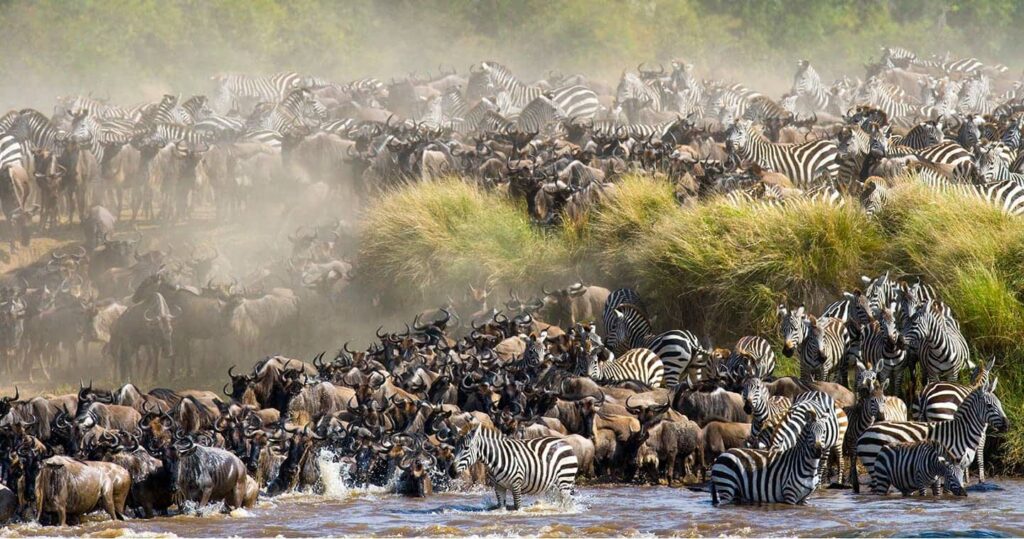
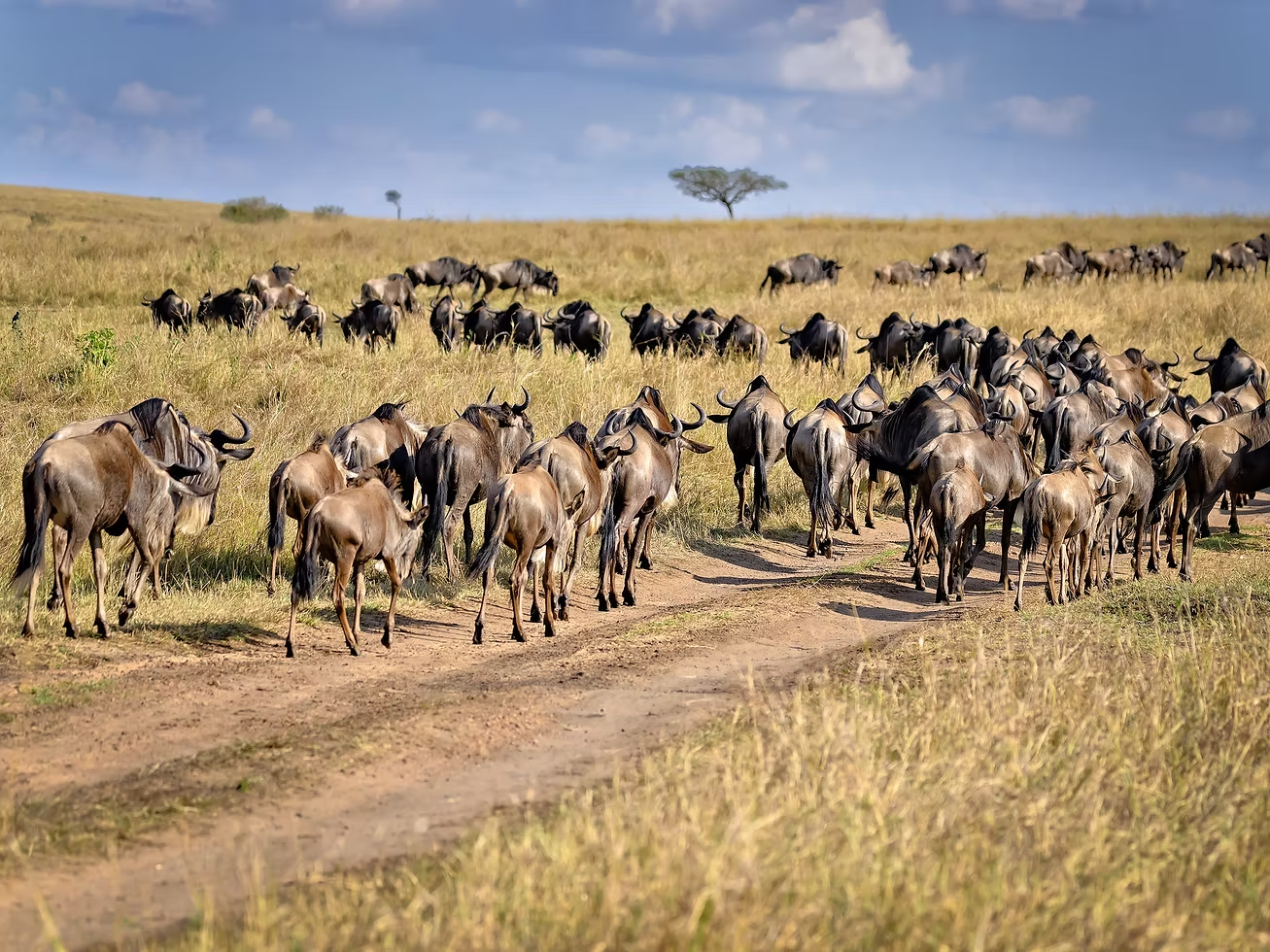
Renowned as one of the most dramatic natural events on the planet, the Great Migration involves more than 1.5 million wildebeest accompanied by hundreds of thousands of zebras and antelopes. Throughout the year, these animals travel across the Serengeti ecosystem while facing numerous predators such as lions, cheetahs, crocodiles, and hyenas. As a result, travelers on Tanzania Best Safari experiences witness intense survival scenes and breathtaking landscapes that define Africa’s untamed wilderness.
Why Is the Great Migration So Important to Tanzania Safaris?
First, the migration represents the rhythm of life in the Serengeti ecosystem, demonstrating the delicate balance between herbivores, predators, and the environment. Secondly, the spectacle provides unmatched opportunities for wildlife viewing during guided Tanzania Safaris, where experienced rangers interpret animal behavior and track the movement of herds. Thirdly, the phenomenon supports thriving tourism activities including Hot Air Balloon Safaris, luxury photographic expeditions, and immersive Tanzania Cultural Safaris in nearby Maasai communities.
Equally important, bird enthusiasts can combine migration viewing with Tanzania Birding Safaris, as the Serengeti hosts more than 500 bird species. Meanwhile, open savannah landscapes allow visitors to enjoy sweeping views of endless plains filled with wildlife. Consequently, the Great Migration remains the centerpiece of Tanzania’s tourism industry and one of the most compelling reasons travelers choose East Africa for their safari adventures.
At Tanzania Uganda Safaris, our safari specialists design carefully planned journeys that allow guests to follow the migration across the Serengeti while experiencing authentic African hospitality. Each itinerary is crafted with deep knowledge of wildlife patterns, ensuring visitors enjoy remarkable sightings and meaningful cultural encounters.
When Does the Great Migration Usually Arrive in the Maasai Mara?
Where Can the Great Migration Be Seen in Serengeti National Park?
Understanding “What Is the Great Migration and Where Can It Be Seen in Serengeti National Park?” requires exploring the key regions of the Serengeti where the massive herds travel throughout the year. Because the migration follows rainfall and grass growth, the exact location of animals changes seasonally. Nonetheless, several zones inside the Serengeti consistently provide extraordinary wildlife viewing opportunities.
Which Areas of Serengeti Offer the Best Migration Viewing?
- Southern Serengeti and Ndutu Plains
During the early months of the year, enormous herds gather around the grasslands of Ndutu Plains. Calving season occurs here between January and March, when thousands of wildebeest calves are born every day. Predator activity increases dramatically during this period, making it one of the most exciting times for photographers on Tanzania Safaris. Additionally, the open plains allow spectacular wildlife viewing as lions and cheetahs hunt among the migrating animals. - Central Serengeti (Seronera Valley)
As the dry season approaches, many animals pass through Seronera Valley, an area famous for year-round wildlife concentrations. River systems and permanent water sources attract predators and herbivores alike, creating outstanding game viewing opportunities. Visitors on Tanzania Best Safari tours frequently explore this region because it offers a combination of migration sightings and resident wildlife such as elephants, leopards, and giraffes. - Northern Serengeti and Mara River
Later in the year, the migration moves north toward the dramatic river crossings of the Mara River. Thousands of wildebeest plunge into crocodile-filled waters while attempting to reach greener pastures. Consequently, this area becomes the stage for one of the most dramatic wildlife encounters in Africa. Adventurous travelers often combine these sightings with Hot Air Balloon Safaris, which provide panoramic views of the massive herds stretching across the savannah.
When Is the Best Time to Witness the Great Migration?
Travelers frequently ask “What Is the Great Migration and Where Can It Be Seen in Serengeti National Park?”, but timing also plays a crucial role in planning a successful safari. Because the migration moves throughout the year, every season offers a different type of wildlife experience.
From January to March, visitors witness calving season in the southern Serengeti near Ndutu Plains. Thousands of newborn animals attract predators, creating thrilling scenes during Tanzania Safaris. Between April and June, herds begin moving northwest through the Serengeti, forming long columns across the plains.
From July to October, the migration reaches northern Serengeti, where dramatic Mara River crossings occur. These months are widely considered the highlight for travelers seeking the most iconic scenes of the Great Migration. Meanwhile, November and December see the animals gradually returning south as seasonal rains bring fresh grass to the plains.
Throughout these months, safari visitors can also enjoy Tanzania Birding Safaris, cultural visits to Maasai villages, and unforgettable sunrise experiences during Hot Air Balloon Safaris over the Serengeti landscape.
Why Choose Tanzania Uganda Safaris for a Great Migration Safari?
Selecting the right safari operator is essential when exploring “What Is the Great Migration and Where Can It Be Seen in Serengeti National Park?” because expert guidance ensures travelers reach the best wildlife locations at the right moment. At Tanzania Uganda Safaris, our team combines deep regional expertise with a passion for delivering authentic African safari experiences.
Firstly, our professional guides possess extensive knowledge of wildlife behavior, migration routes, and the Serengeti ecosystem. Such experience allows guests on Tanzania Safaris to witness rare wildlife interactions while learning about conservation efforts that protect the Great Migration.
Secondly, our itineraries combine multiple experiences including Tanzania Cultural Safaris, immersive wildlife drives, and scenic Hot Air Balloon Safaris above the Serengeti plains. This balanced approach allows visitors to understand both the natural and cultural heritage of Tanzania.
Thirdly, personalized safari planning ensures every traveler enjoys a comfortable and rewarding journey. From luxury lodges to adventurous mobile camps following the migration, our carefully selected accommodations place guests close to wildlife action.
Finally, Tanzania Uganda Safaris emphasizes responsible tourism that supports local communities and wildlife conservation initiatives across Tanzania. Every safari therefore contributes to preserving the landscapes and species that make the Great Migration one of Africa’s greatest natural wonders.
In Conclusion:
Tanzania Uganda Safaris invites you to witness the unforgettable spectacle described in “What Is the Great Migration and Where Can It Be Seen in Serengeti National Park?” Through expertly guided Tanzania Safaris, travelers experience the raw beauty of the Serengeti while discovering why this legendary migration remains one of the most remarkable wildlife events on Earth.