
Why Is Tanzania Considered One of Africa’s Best Birding Safari Destinations?
March 9, 2026
Which Communities Can Visitors Meet During Cultural Safaris Near Lake Eyasi?
March 9, 2026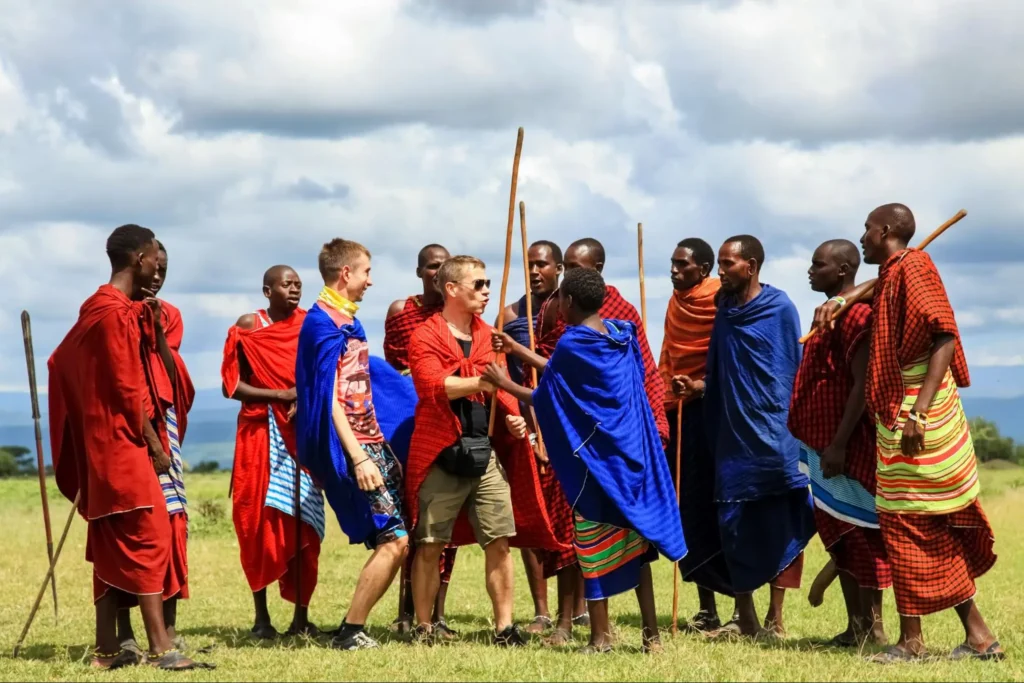
What Can Tourists Learn During a Visit to a Traditional Maasai Village?
Travelers exploring Tanzania often ask, What can tourists learn during a visit to a traditional Maasai village? Visiting a Maasai community provides a unique opportunity to immerse in one of Africa’s most iconic cultures, combining authentic experiences with Tanzania’s renowned wildlife and natural beauty. For those embarking on Tanzania Cultural Safaris, integrating a Maasai village visit enhances understanding of the region’s traditions, social structures, and daily life. These encounters offer far more than surface-level tourism—they provide meaningful insights into how local communities live in harmony with nature, complementing the wildlife experiences of Tanzania Safaris and birdwatching opportunities found on Tanzania Birding Safaris.
Understanding What can tourists learn during a visit to a traditional Maasai village? involves recognizing the intricate connection between the Maasai people, the land, and wildlife conservation. Visitors witness traditional homesteads known as “bomas,” explore pastoral practices, and observe ceremonies and dances that have been preserved for generations. Guides provide context about Maasai history, community leadership, and how cultural knowledge contributes to sustainable interaction with wildlife habitats. Travelers gain a deeper appreciation of conservation efforts in Tanzania, seeing firsthand how Maasai guardianship of grazing lands has indirectly supported iconic wildlife regions, including the Serengeti and Ngorongoro Crater.
Additionally, combining cultural encounters with active safari adventures offers travelers a holistic experience of Tanzania. Early morning game drives, optional sunrise Hot Air Balloon Safaris, and opportunities to witness the Great Migration complement village visits, creating a balanced itinerary. Learning through observation, participation, and conversation ensures that guests leave with authentic stories and knowledge, positioning the experience as an essential element of Tanzania Best Safari adventures.
By exploring these rich cultural landscapes, tourists gain insights into resilience, tradition, and the symbiotic relationship between humans and the environment, directly addressing the question, What can tourists learn during a visit to a traditional Maasai village?
Daily Life and Traditions: Insights from the Maasai Homestead
How does daily life reveal Maasai values and culture?
Answering What can tourists learn during a visit to a traditional Maasai village? begins with understanding the structure and rhythm of daily life within the homestead. Each boma is carefully designed for protection, family cohesion, and livestock management, reflecting the Maasai’s intimate knowledge of their environment. Tourists observe traditional mud-and-stick houses, livestock enclosures, and communal spaces where families gather, providing tangible lessons on resilience and sustainable living practices.
Children, elders, and herders all have clearly defined roles, emphasizing the importance of community responsibility and intergenerational knowledge. Visitors witness daily rituals such as milking cows, fetching water, or maintaining firewood, offering insights into the Maasai’s deep reliance on natural resources. Guides elaborate on the historical and spiritual significance of these practices, linking them to broader ecological understanding. Such encounters enrich Tanzania Cultural Safaris by highlighting how human activity can coexist with wildlife conservation efforts, particularly in regions adjacent to national parks.
Tourists also learn about ceremonial life, including initiation rites, dances, and singing that mark key milestones. These rituals are often performed during village visits, offering a sensory-rich experience that goes beyond observation to active participation. Elder storytelling provides context, explaining myths, proverbs, and moral lessons that form the ethical foundation of the Maasai community. This level of engagement ensures that travelers gain a profound understanding of local identity, complementing wildlife observation from Tanzania Safaris or birdwatching excursions on Tanzania Birding Safaris.
By exploring daily routines and ceremonial life, visitors answer the question, What can tourists learn during a visit to a traditional Maasai village?, discovering how cultural continuity thrives in harmony with Tanzania’s natural landscapes.
Spiritual Beliefs and Environmental Stewardship
How do Maasai beliefs influence conservation and land use?
Understanding What can tourists learn during a visit to a traditional Maasai village? requires appreciating the community’s spiritual connection to the land. The Maasai view livestock, water sources, and grazing areas as sacred components of life, shaping practices that promote sustainable land use and wildlife coexistence. Guides explain how ancestral beliefs and rituals encourage respect for natural resources, directly contributing to the protection of habitats that support the Great Migration and abundant birdlife observed during Tanzania Birding Safaris.
Visitors also learn about the Maasai’s unique system of rotational grazing, which prevents overuse of pastures while allowing ecosystems to regenerate. Observing these practices firsthand reveals how indigenous knowledge supports biodiversity and ensures the survival of both human and wildlife communities. Educational components of village visits highlight practical lessons in sustainability, demonstrating how cultural heritage intersects with modern conservation efforts.
Moreover, traditional healers and elders provide insight into medicinal plants, herbal remedies, and ethical practices that sustain community health without harming the environment. This knowledge positions Maasai villages as living classrooms, allowing travelers to explore principles of ecological stewardship alongside immersive Tanzania Cultural Safaris. Integrating these insights with wildlife viewing experiences, including Hot Air Balloon Safaris, provides a holistic understanding of Tanzania’s natural and cultural wealth.
By engaging with spiritual and environmental perspectives, tourists gain clarity on What can tourists learn during a visit to a traditional Maasai village?, understanding the depth of cultural wisdom that has shaped sustainable coexistence with East Africa’s wildlife.
Best Time for This Safari & Why Choose Tanzania Uganda Safaris
When is the ideal time to visit a Maasai village?
The optimal period for village visits aligns with Tanzania’s dry season, from June to October, when travel conditions are easier and cultural activities are more accessible. Early morning or late afternoon tours maximize comfort while providing opportunities to combine Tanzania Cultural Safaris with wildlife observation, including the Great Migration or birdwatching at nearby wetlands.
Why choose Tanzania Uganda Safaris for this cultural safari experience?
Selecting Tanzania Uganda Safaris ensures travelers receive a well-curated, immersive experience answering What can tourists learn during a visit to a traditional Maasai village?. Our expert guides provide in-depth explanations of social structures, daily routines, and spiritual practices, connecting cultural observations to broader ecological and wildlife contexts. Personalized itineraries integrate village visits with Tanzania Safaris, Tanzania Birding Safaris, and Hot Air Balloon Safaris, delivering a seamless, educational, and unforgettable experience.
Tanzania Uganda Safaris’ commitment to authentic cultural engagement, sustainability, and responsible tourism positions us as a trusted authority in Tanzania travel. Visitors gain not only knowledge of the Maasai way of life but also insights into how culture, conservation, and wildlife coexist in East Africa. Choosing Tanzania Uganda Safaris ensures travelers leave with lasting memories, a deeper understanding of Maasai heritage, and a holistic appreciation of Tanzania’s diverse natural and cultural landscapes.