What Is a Hot Air Balloon Safari and How Does It Work in the Maasai Mara?
March 8, 2026
Can Visitors See Predators Such as Lions and Crocodiles During the Migration?
March 8, 2026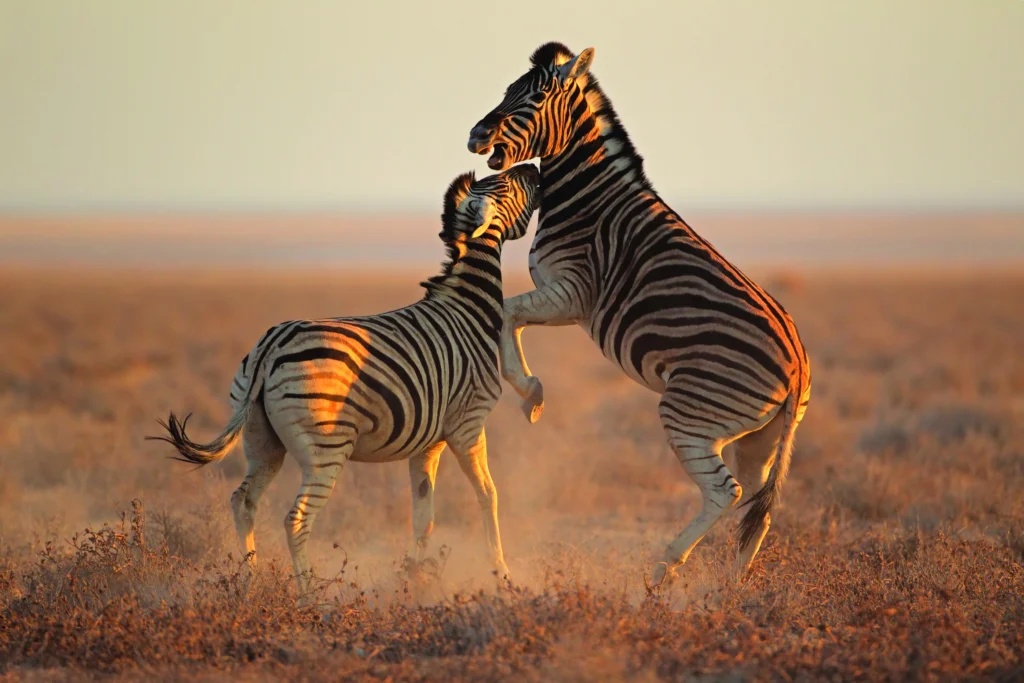
What Animals Are Involved in the Great Migration?
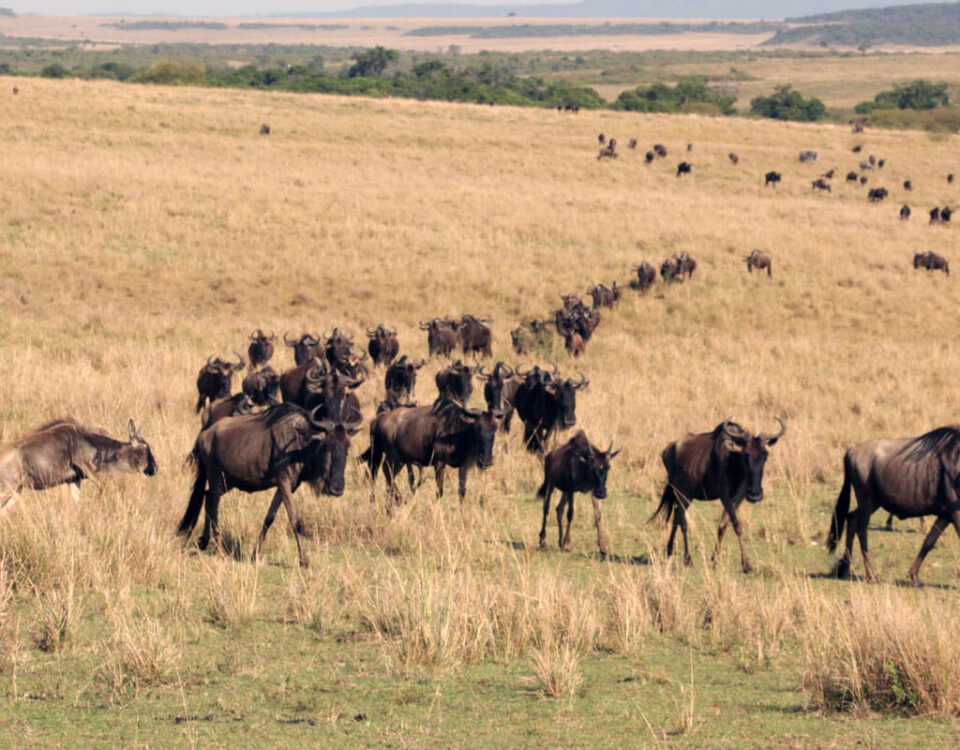
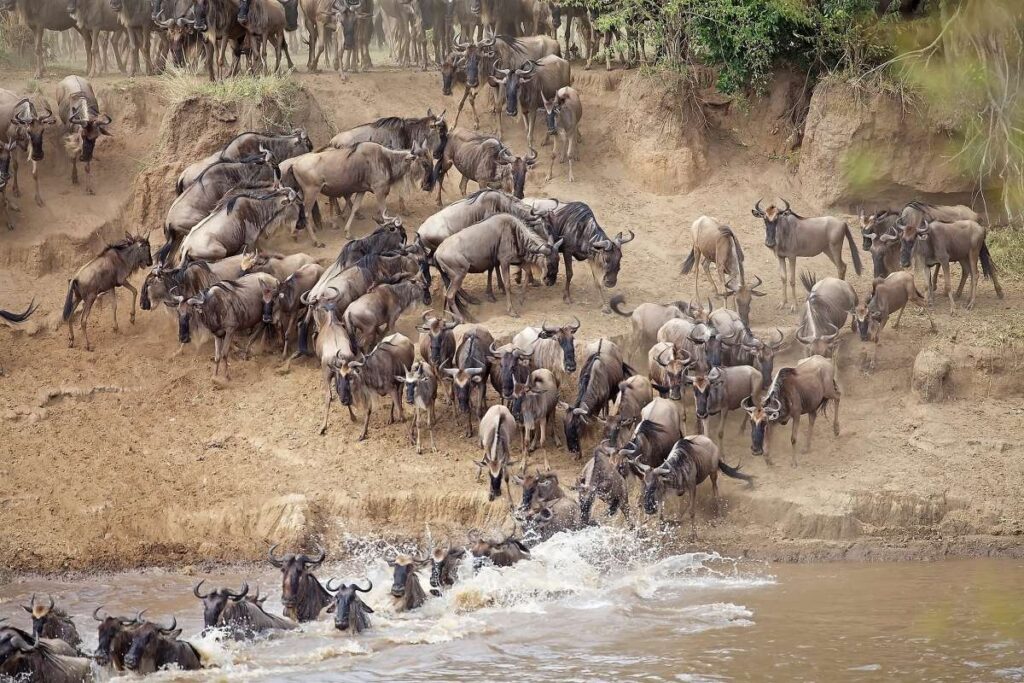
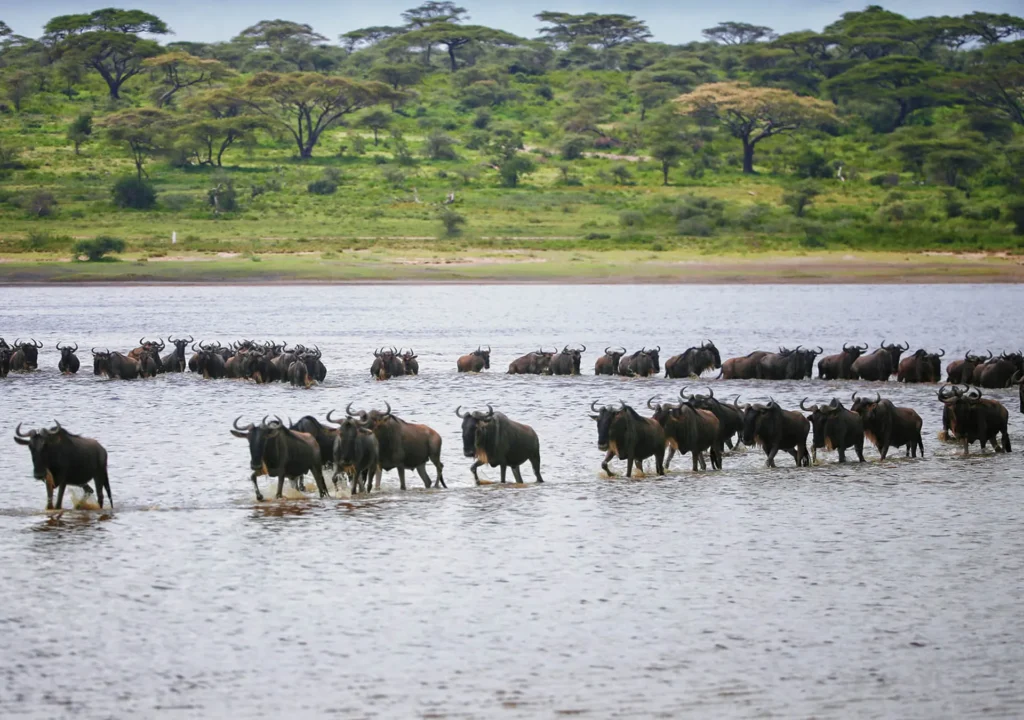
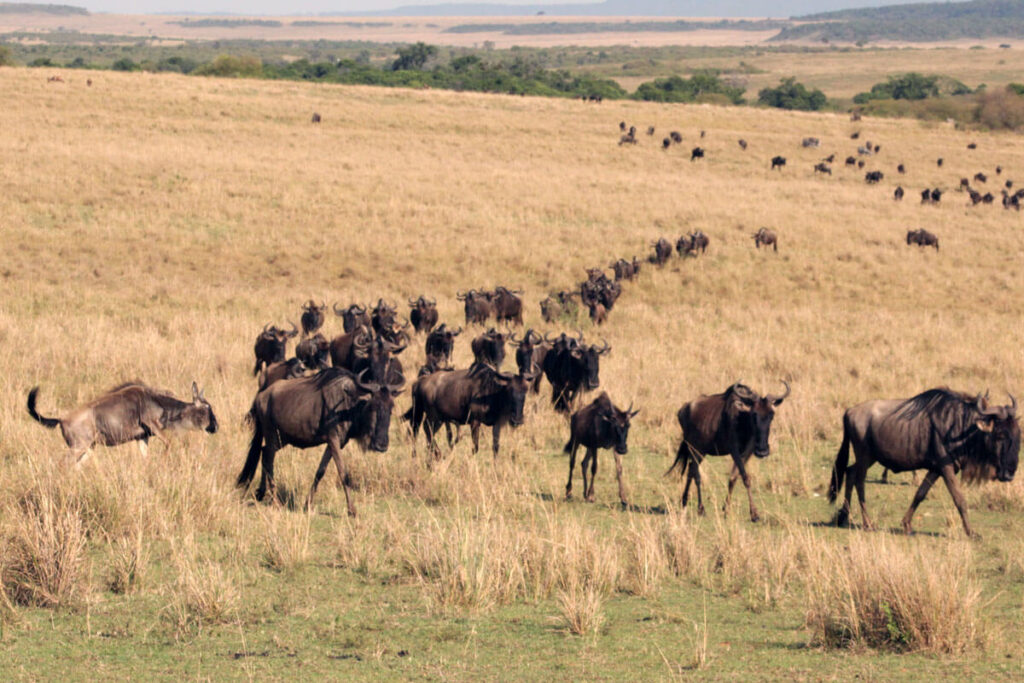
What animals are involved in the Great Migration? is a question at the heart of every safari enthusiast’s curiosity, particularly for those planning Kenya Safaris to witness this extraordinary natural phenomenon. The Great Migration, most famously observed in the Maasai Mara National Reserve, is not only a breathtaking spectacle of movement but also a showcase of Africa’s rich biodiversity. Each year, millions of wildebeest, zebras, and gazelles embark on a perilous journey between Tanzania’s Serengeti and Kenya’s Maasai Mara in search of fresh grazing, creating scenes that define the essence of African wildlife. These iconic animals form the backbone of the migration, while a diverse array of predators and scavengers adds layers of drama and ecological complexity.
Visitors participating in Kenya Safaris during the migration gain an unmatched opportunity to observe predator-prey dynamics in real time. Lions, cheetahs, and hyenas follow closely behind the herds, orchestrating one of nature’s most enthralling survival stories. Meanwhile, the Mara River crossings introduce additional challenges, as crocodiles wait in the waters to seize crossing animals, creating dramatic encounters that thrill both first-time visitors and seasoned safari-goers. Kenya Birding Safaris also complement this experience, as scavengers such as vultures, marabou storks, and other birds of prey capitalize on the migration’s aftermath, while migratory and resident species flock to the Mara plains to forage.
Beyond the sheer excitement, observing the Great Migration helps travelers understand the interdependence of species in a savannah ecosystem. Every wildebeest calf born during the calving season influences predator populations, grazing patterns, and riverine ecology. Kenya Cultural Safaris further enhance this experience, allowing visitors to engage with Maasai communities whose livelihoods are intertwined with wildlife conservation. Incorporating these diverse elements ensures that the migration is appreciated not just as a visual spectacle but also as a profound ecological and cultural phenomenon, solidifying its status as the Kenya Best Safari experience for wildlife enthusiasts worldwide.
Ungulates of the Great Migration: Wildebeest, Zebras, and Gazelles
Which herbivores dominate the Great Migration?
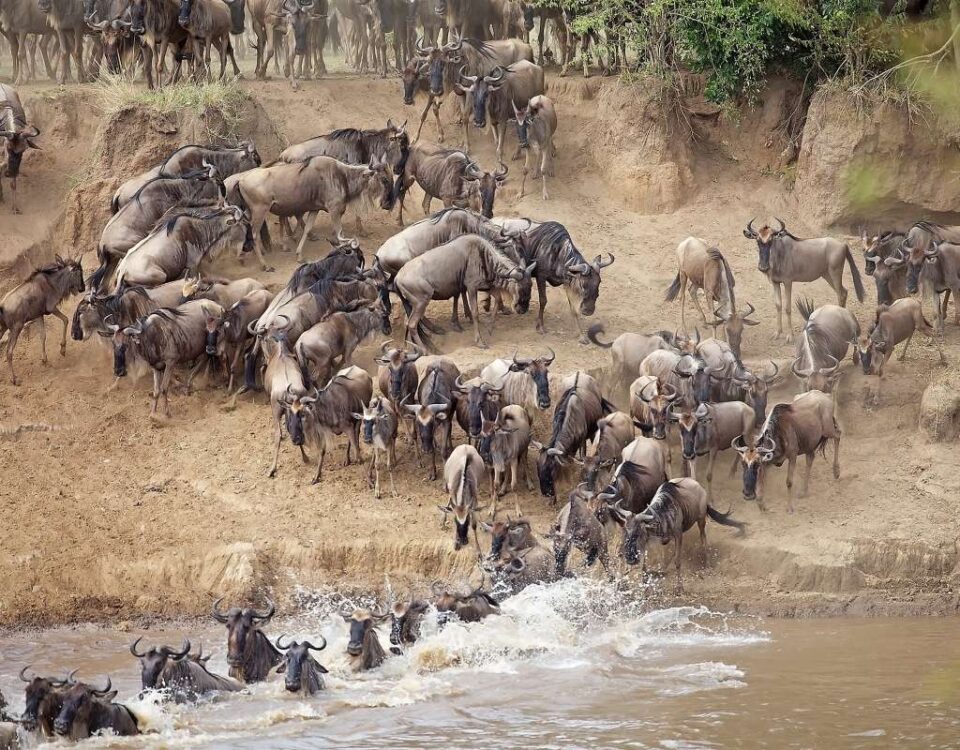
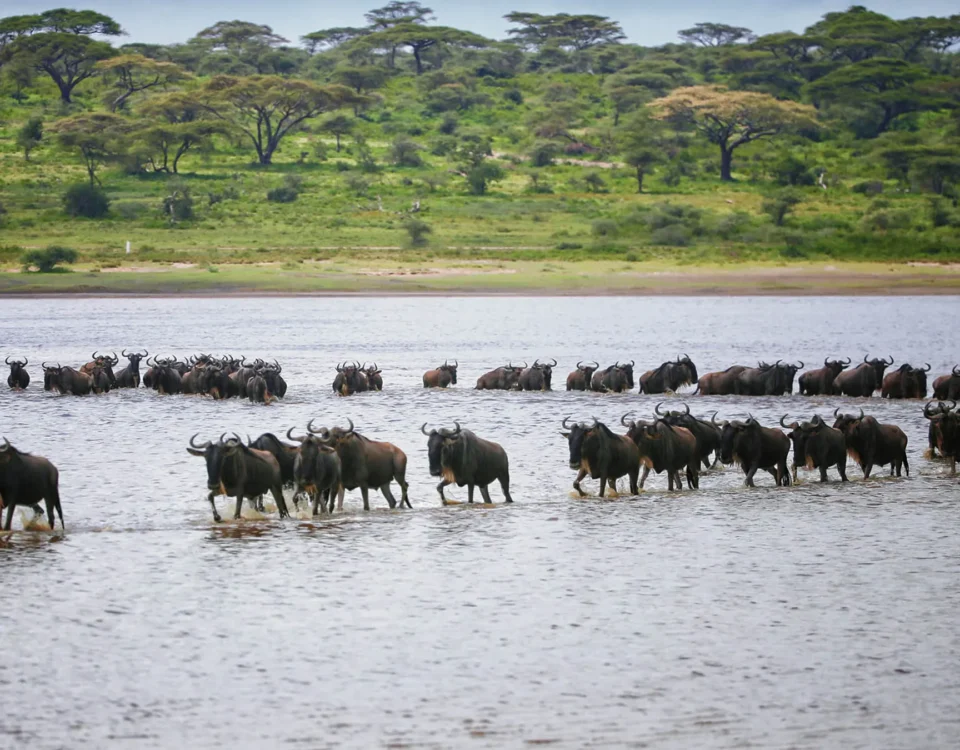
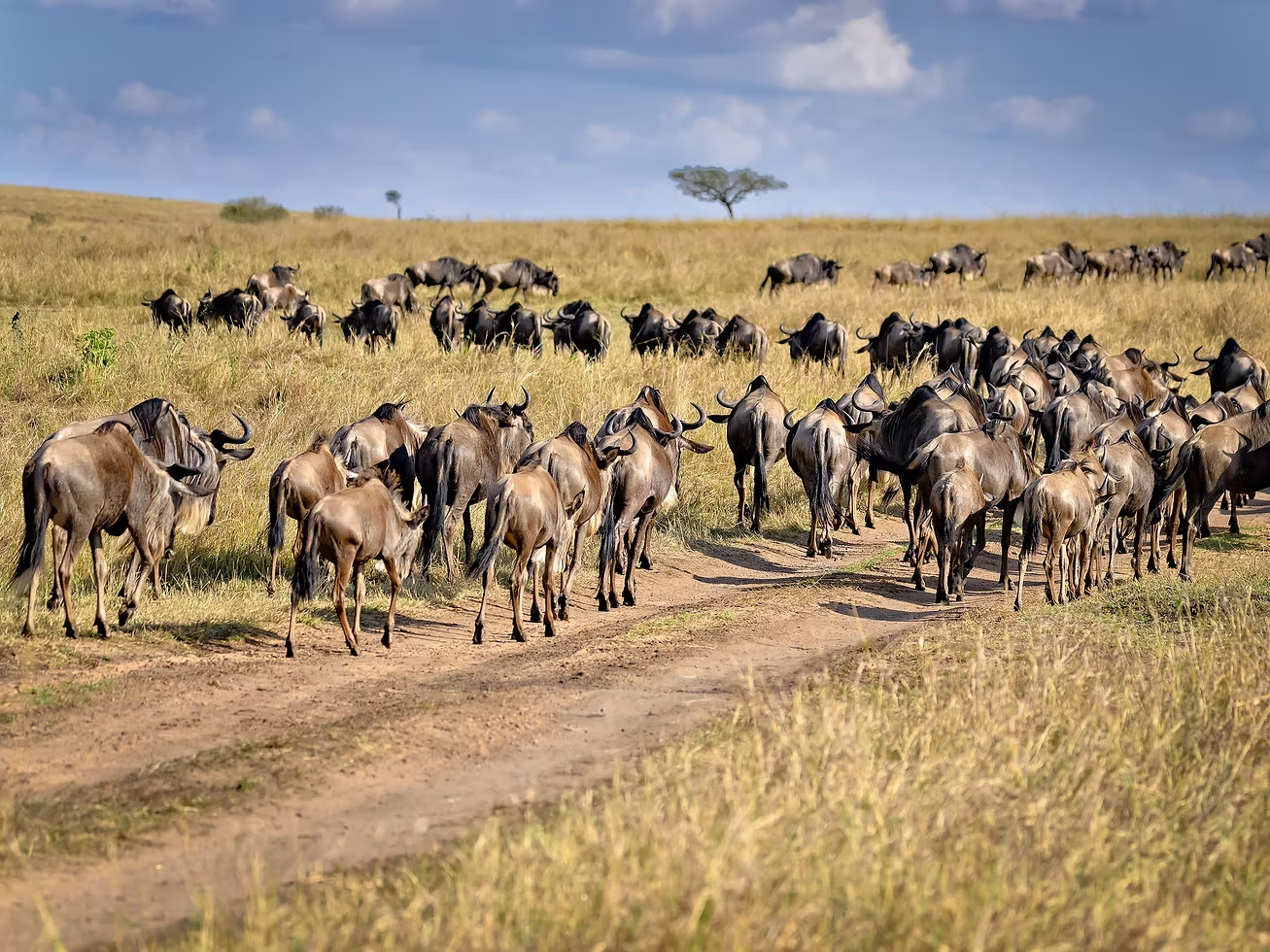
The central figures of the Great Migration are the grazing herbivores that traverse thousands of kilometers annually. Wildebeest lead the charge, numbering over 1.5 million in the Serengeti-Mara ecosystem, forming dense herds that stretch across the plains like moving carpets. Their mass movements are synchronized with the availability of fresh grass, and their sheer numbers offer both safety in numbers and a dramatic spectacle for visitors on Kenya Safaris. Zebras are another critical species, often moving alongside wildebeest. Their distinctive stripes provide camouflage and help create natural group cohesion, enhancing the visual impact of the migration.
Thomson’s and Grant’s gazelles, though smaller in number, play an equally important role in the migration. These agile herbivores weave through the larger herds, evading predators while grazing efficiently. Travelers on Kenya Birding Safaris often observe these species interacting with the landscape in dynamic ways, while raptors and scavengers follow their movements closely. Including these herbivores in itineraries ensures that safari-goers witness a balanced view of the Great Migration, not just focusing on large herds but also on the smaller species that contribute to ecosystem health.
The behaviors of these ungulates—grazing patterns, river crossings, and herd cohesion—offer critical insights into the ecological balance of the Mara ecosystem. Observing wildebeest, zebras, and gazelles allows visitors to appreciate how these species drive predator activity and influence vegetation patterns. For anyone seeking the Kenya Best Safari, understanding the interactions among these primary migratory species enriches the overall wildlife experience and emphasizes the complexity behind the visual spectacle of the Great Migration.
Predators: Lions, Cheetahs, Hyenas, and Crocodiles
Which predators rely on the Great Migration?
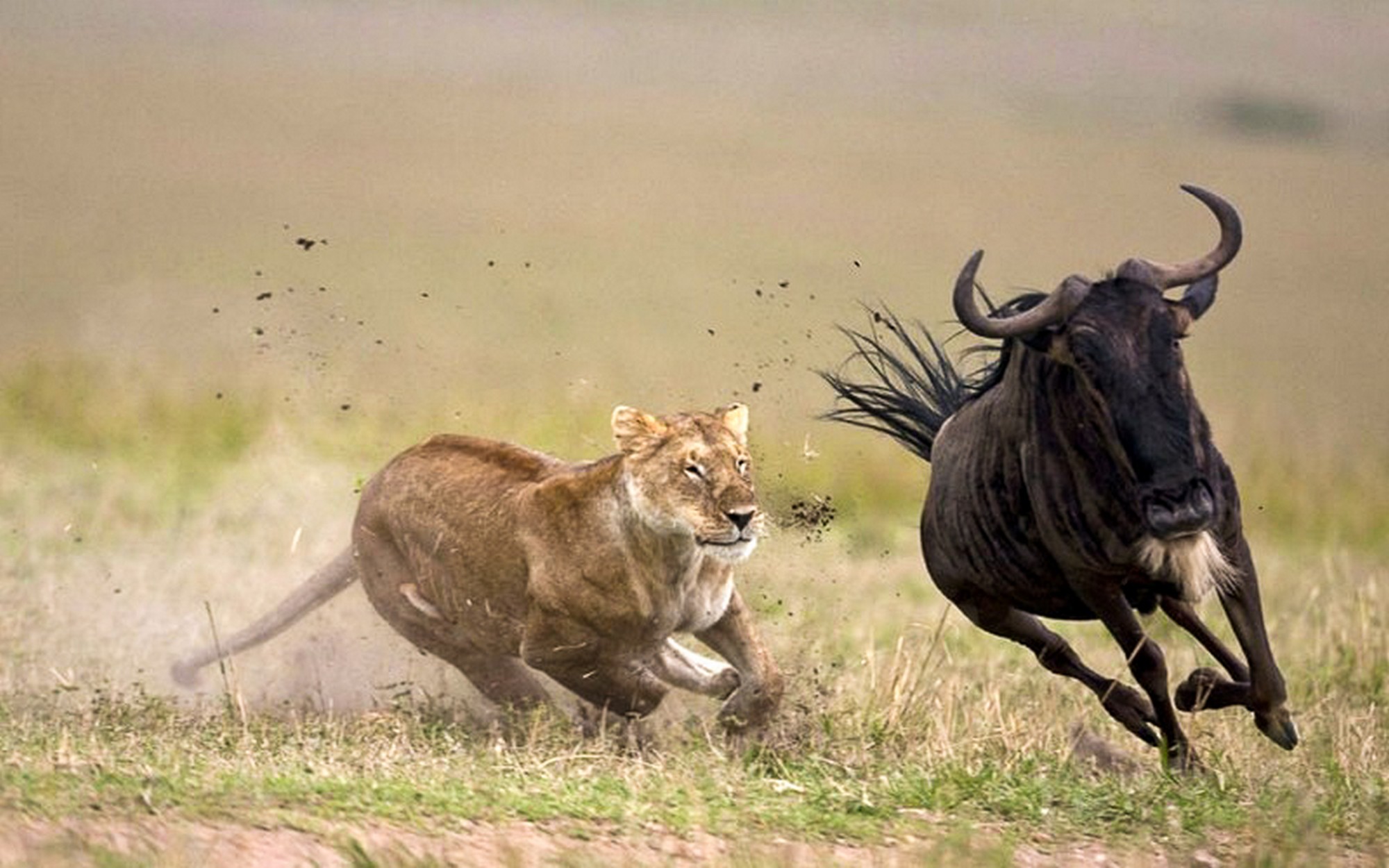
The Great Migration is as much about predators as it is about herbivores. Lions in the Mara pride themselves on strategic hunting of the migration herds, often targeting weak, young, or injured individuals. Cheetahs use speed and stealth to capture smaller prey among zebras and gazelles, while spotted hyenas coordinate in groups to ambush and isolate vulnerable animals. For visitors on Kenya Safaris, observing these predator strategies provides unforgettable insights into African wilderness dynamics.
Crocodiles, particularly along the Mara River, create some of the most dramatic moments of the migration. Their ability to ambush and capture crossing animals adds both tension and excitement to wildlife encounters. Balloon Safaris offer a unique vantage point from which travelers can witness these predator-prey interactions from above, highlighting the power, strategy, and unpredictability that make the Great Migration world-famous.
In addition, these predators attract scavengers like vultures, marabou storks, and jackals, forming a complex ecological network. Kenya Birding Safaris enhance this understanding, showing how avian species thrive during the migration by following carnivore activity. Guests combining predator observation with herbivore tracking and birding excursions gain a comprehensive perspective on the Great Migration, ensuring that every visitor enjoys a multi-dimensional safari adventure that aligns with the Kenya Best Safari standard.
Birds and Smaller Species: Unsung Heroes of the Migration
Which birds and small animals contribute to the Great Migration ecosystem?
While ungulates and predators capture the limelight, smaller species are critical to the migration’s ecological balance. Birds, in particular, play multiple roles during the Great Migration. African fish eagles, vultures, storks, and secretary birds follow herds to feed on insects stirred up by movement or on remains left by predators. Their presence ensures that nutrient cycling and ecosystem health are maintained, while also offering spectacular opportunities for visitors on Kenya Birding Safaris.
Rodents, reptiles, and amphibians also interact with the herds, benefiting from altered grazing patterns and temporary water availability. These species may not draw the crowds, but their contributions to the ecosystem’s resilience are invaluable. Observing them in combination with large mammals adds a richer, more holistic understanding of the Mara plains for travelers participating in Kenya Safaris.
Tanzania Uganda Safaris incorporates these insights into its Kenya Cultural Safaris and wildlife itineraries, ensuring that guests appreciate both the obvious and subtle components of the migration. By witnessing the interactions between herbivores, predators, and smaller species, visitors gain a full picture of the ecosystem dynamics that make the Great Migration a globally renowned spectacle and the ultimate Kenya Best Safari adventure.
When Does the Great Migration Usually Arrive in the Maasai Mara?
When Is the Best Time to Witness These Animals?
The peak period to observe the full range of animals involved in the Great Migration is between July and October, when herds cross into the Maasai Mara from the Serengeti. Early morning and late afternoon game drives offer ideal lighting and higher activity levels for predators, herbivores, and birds. Tanzania Uganda Safaris carefully schedules itineraries to maximize viewing opportunities, ensuring that travelers experience the migration at its most thrilling and educational.
Why Choose Tanzania Uganda Safaris for Observing Migration Wildlife?
Tanzania Uganda Safaris provides expert-led Kenya Safaris, integrating predator observation, Kenya Birding Safaris, and Kenya Cultural Safaris to create an unparalleled Kenya Best Safari experience. Our guides use extensive knowledge of wildlife behavior, herd patterns, and seasonal migration timing to position travelers in the best locations. Balloon safaris, expert-led game drives, and community engagement ensure that every guest gains deep insight into the complex web of life behind the Great Migration, making each journey unforgettable and transformative.
By choosing Tanzania Uganda Safaris, travelers experience the Great Migration with authority, safety, and authenticity, witnessing wildebeest, zebras, gazelles, predators, and birds in their natural rhythms, and leaving with memories that define the ultimate African safari adventure.