
Ngorongoro Conservation Area
Ngorongoro Conservation Area is one of Africa’s most extraordinary safari destinations, renowned for its dramatic landscapes, exceptional wildlife density, and harmonious coexistence between people and nature. Located in northern Tanzania, west of Arusha and adjacent to the Serengeti ecosystem, Ngorongoro Conservation Area spans approximately 8,292 square kilometers. The highlight of this remarkable region is the Ngorongoro Crater, the world’s largest intact volcanic caldera, formed nearly two to three million years ago when a massive volcano collapsed inward. At Tanzania Uganda Safaris, we proudly present Ngorongoro Conservation Area as a premier destination for travelers seeking breathtaking scenery, rich biodiversity, and meaningful cultural experiences in one unforgettable safari journey.
The Origin and History of Ngorongoro Conservation Area
Ngorongoro Conservation Area was officially established in 1959 after being separated from Serengeti National Park. The goal of its creation was unique: to promote wildlife conservation while allowing the Maasai people to continue living and grazing their livestock within the area. This dual-purpose management model distinguishes Ngorongoro Conservation Area from traditional national parks, as it integrates human habitation with environmental preservation. The Ngorongoro Crater itself was formed by volcanic activity millions of years ago, creating a fertile basin that supports a remarkable concentration of wildlife. In 1979, Ngorongoro Conservation Area was designated a UNESCO World Heritage Site due to its ecological importance and archaeological discoveries, including early human fossils found at Olduvai Gorge. Today, the area stands as a global example of balanced conservation, cultural preservation, and sustainable tourism.
What to See in Ngorongoro Conservation Area
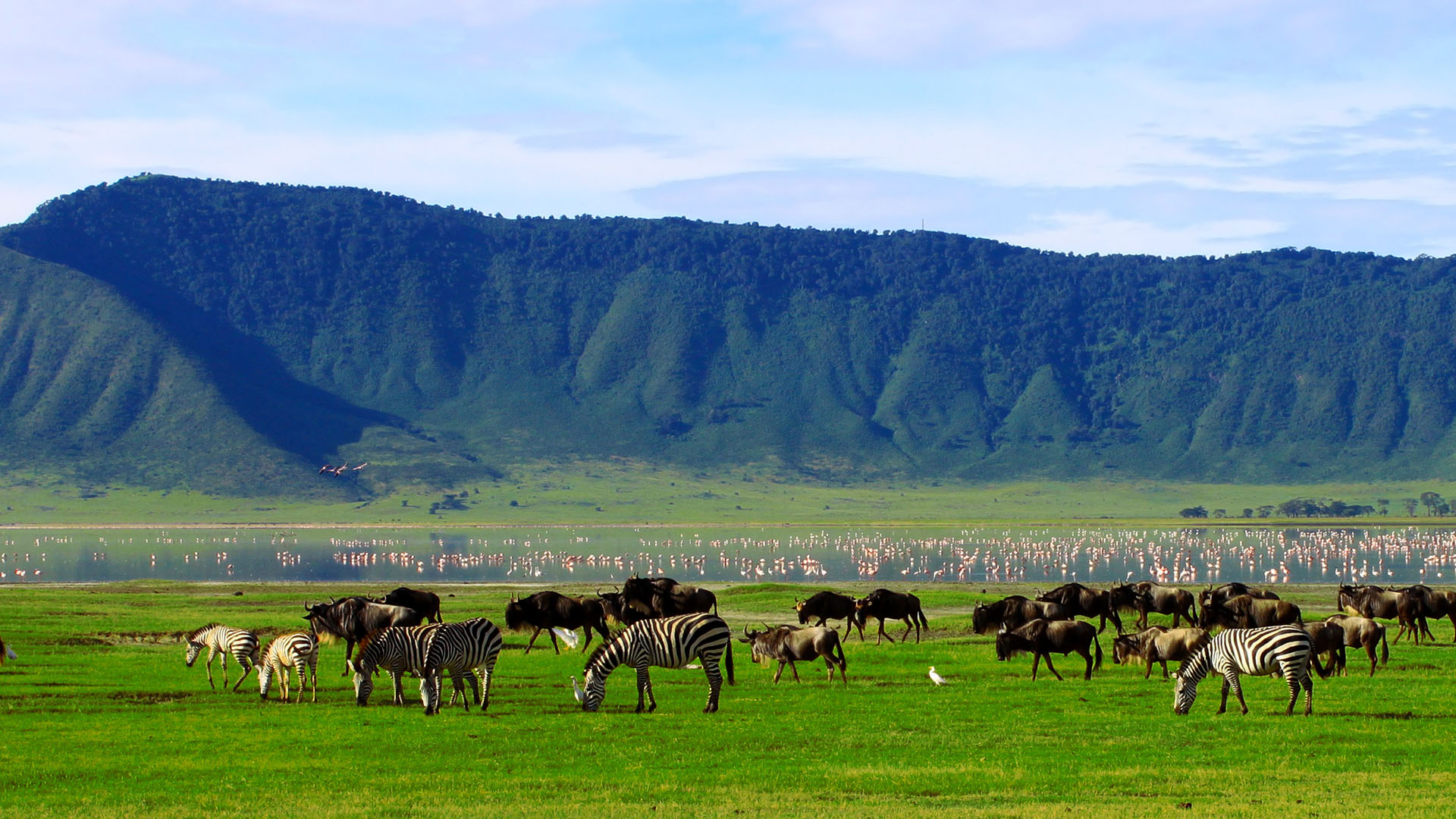
Ngorongoro Conservation Area offers one of the highest densities of wildlife in Africa. The Ngorongoro Crater floor, covering approximately 260 square kilometers, hosts an estimated 25,000 large animals. Visitors can encounter the Big Five—lion, leopard, elephant, buffalo, and black rhinoceros—often within a single game drive. The crater’s enclosed ecosystem makes wildlife viewing particularly rewarding and efficient.
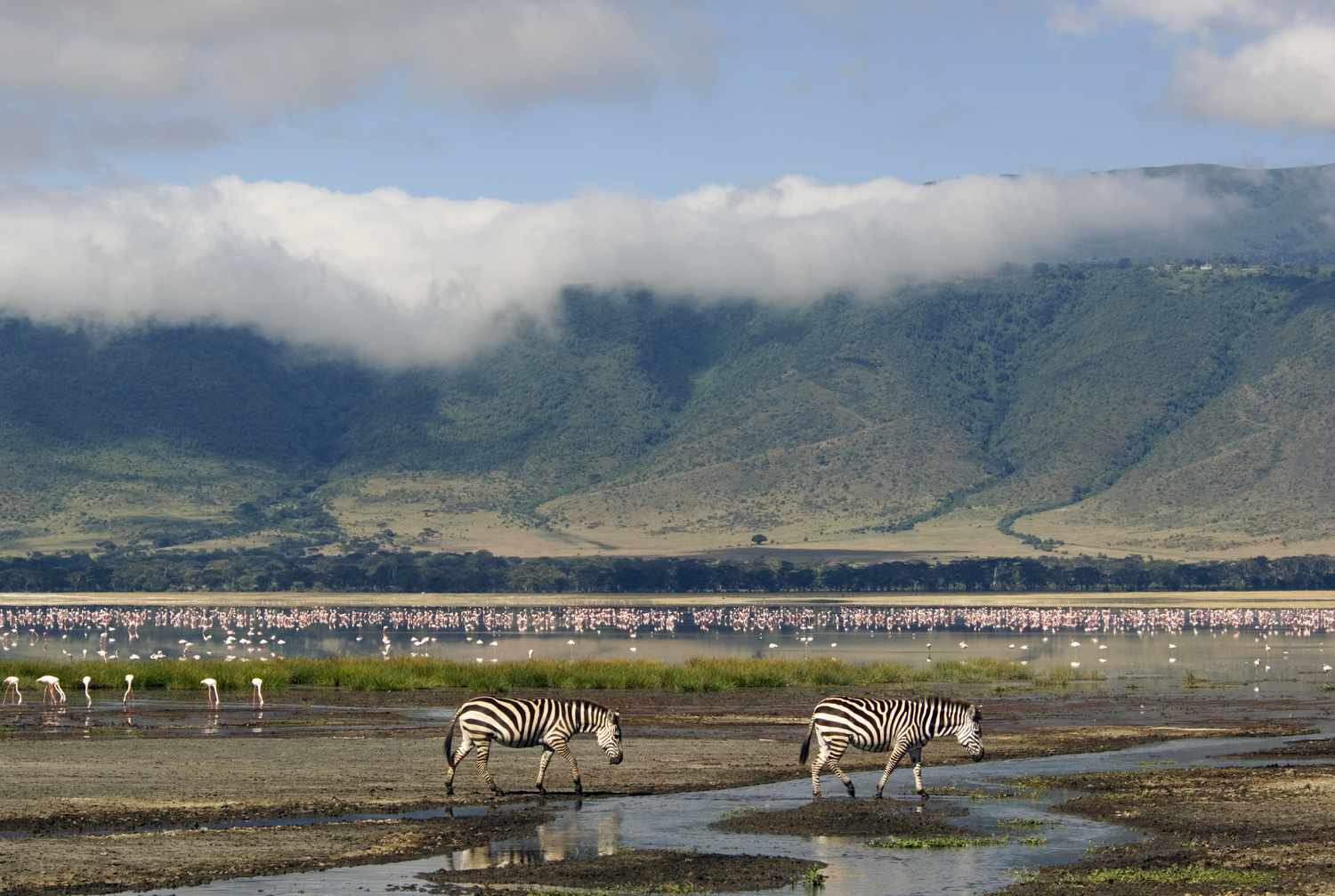
Lions are frequently seen resting in open grasslands, while elephants with impressive tusks roam forested areas. Black rhinos, one of Africa’s most endangered species, find refuge within the crater’s protected environment. Lake Magadi, a shallow alkaline lake inside the crater, attracts thousands of flamingos and other waterbirds, creating stunning pink reflections against the landscape. Beyond the crater, Ngorongoro Conservation Area features vast highland plains, volcanic craters, forests, and archaeological sites such as Olduvai Gorge, often referred to as the “Cradle of Mankind.” The diversity of habitats supports zebras, wildebeests, hyenas, cheetahs, and numerous antelope species.
Things to Do in Ngorongoro Conservation Area
Game drives into the Ngorongoro Crater are the primary highlight of any visit. Descending 600 meters into the caldera offers breathtaking panoramic views before reaching the wildlife-rich floor. Guided safaris led by experienced professionals from Tanzania Uganda Safaris ensure in-depth understanding of the ecosystem and animal behavior. Cultural visits to Maasai villages provide authentic insights into traditional pastoral lifestyles. Travelers can learn about Maasai customs, beadwork, livestock management, and the community’s relationship with wildlife conservation. These interactions enrich the safari experience with meaningful cultural exchange. Exploring Olduvai Gorge allows visitors to delve into early human history through guided museum tours. Walking safaris in designated highland areas also offer opportunities to appreciate the scenery, birdlife, and smaller wildlife species up close.
Best Time to Visit Ngorongoro Conservation Area
Ngorongoro Conservation Area can be visited throughout the year due to its stable wildlife population. However, the dry season from June to October is considered the best time for wildlife viewing. During this period, grass is shorter, and animals are easier to spot. The green season, from November to May, brings lush landscapes and fewer tourists. Birdwatching is especially rewarding during these months, as migratory species arrive and flamingo populations increase around Lake Magadi. The crater’s wildlife remains present year-round, making Ngorongoro Conservation Area a reliable safari destination in any season.
What to Pack for Ngorongoro Conservation Area
Packing appropriately enhances comfort during your safari in Ngorongoro Conservation Area. Lightweight clothing is suitable for daytime activities, while warmer layers are necessary for early mornings and evenings, as the high altitude can bring cooler temperatures. Travel essentials include sunscreen, sunglasses, a wide-brimmed hat, insect repellent, binoculars, and a quality camera. A reusable water bottle and a small daypack are practical additions for game drives and cultural visits.
What to Wear in Ngorongoro Conservation Area
Clothing for Ngorongoro Conservation Area should be practical and safari-appropriate. Neutral colors such as khaki, olive, and beige are recommended to blend into the natural surroundings. Long-sleeved shirts and trousers provide protection from sun exposure and insects. Comfortable closed shoes are essential for game drives and optional walking excursions. A warm jacket or fleece is advisable due to the cooler climate in the highlands surrounding the crater rim.
Ngorongoro Conservation Area
In Conclusion:
Ngorongoro Conservation Area offers a rare combination of dramatic geology, dense wildlife populations, and vibrant cultural heritage. From descending into the breathtaking Ngorongoro Crater to engaging with Maasai communities and exploring ancient archaeological sites, every experience within Ngorongoro Conservation Area is profound and memorable. At Tanzania Uganda Safaris, we are committed to delivering expertly guided safaris that highlight the beauty, history, and conservation significance of this extraordinary African destination.