
Mount Kilimanjaro National Park
Mount Kilimanjaro National Park is one of Africa’s most iconic and awe-inspiring destinations, home to the tallest mountain on the continent and the highest free-standing mountain in the world. Rising majestically to 5,895 meters above sea level, Mount Kilimanjaro dominates the northern Tanzanian landscape and attracts adventurers from across the globe. Established to protect this extraordinary natural landmark and its surrounding ecosystems, Mount Kilimanjaro National Park offers a unique blend of mountain trekking, ecological diversity, and breathtaking scenery. At Tanzania Uganda Safaris, we proudly guide travelers through this remarkable park, ensuring safe, well-organized, and unforgettable experiences on Africa’s rooftop.
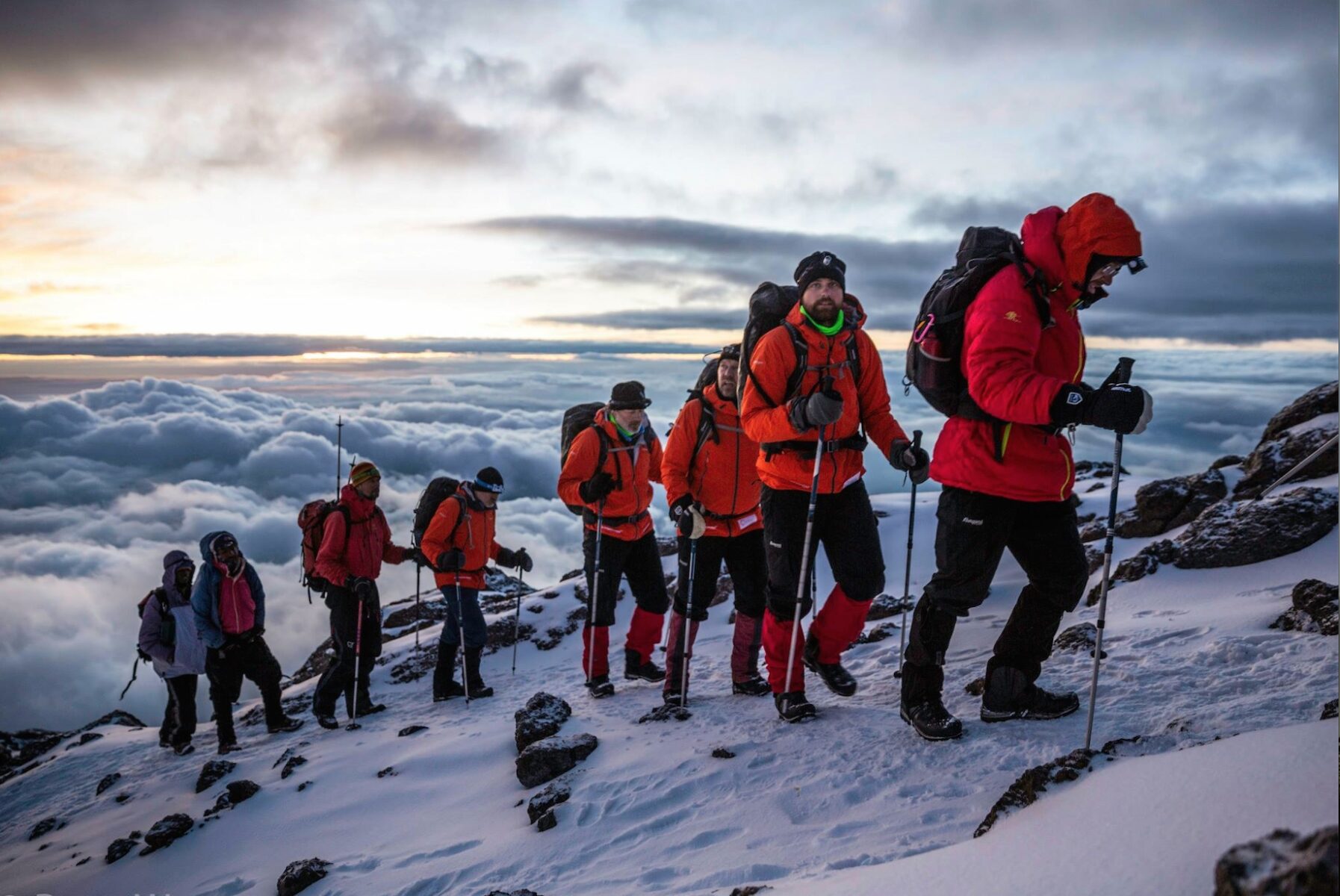
Mount Kilimanjaro National Park
The Origin and History of Mount Kilimanjaro National Park
Mount Kilimanjaro National Park was officially gazetted in 1973 and later opened to the public in 1977. The park was created to safeguard the mountain’s fragile environment, including its forests, wildlife, and water catchment areas that serve surrounding communities. In 1987, the park was declared a UNESCO World Heritage Site in recognition of its global ecological importance and striking natural beauty.
The name “Kilimanjaro” is believed to have origins in local languages, often interpreted to mean “Mountain of Greatness” or “Shining Mountain,” referencing its snow-capped summit. Over time, Mount Kilimanjaro National Park has become a symbol of adventure tourism in Tanzania, drawing climbers, researchers, and nature enthusiasts eager to witness its grandeur.
What to See in Mount Kilimanjaro National Park
Mount Kilimanjaro National Park is defined by diverse ecological zones that change dramatically with altitude. The lower slopes are covered in lush montane forests inhabited by colobus monkeys, blue monkeys, and various bird species. As climbers ascend, the landscape transitions into heath and moorland zones characterized by giant lobelias and senecio plants that create an almost surreal atmosphere.
Higher elevations reveal alpine desert terrain with rocky outcrops and sparse vegetation, eventually leading to the arctic summit zone crowned by glaciers and ice fields. The main summit, Uhuru Peak, offers breathtaking panoramic views above the clouds. On clear days, climbers can see vast stretches of Tanzania and even neighboring Kenya. The scenic beauty throughout Mount Kilimanjaro National Park makes every step of the journey visually rewarding.
Things to Do in Mount Kilimanjaro National Park
Climbing Mount Kilimanjaro is the primary activity within the park and a life-changing adventure for many travelers. Several established routes, including Machame, Marangu, Lemosho, and Rongai, provide varying levels of challenge and scenery. Each route offers a unique perspective of Mount Kilimanjaro National Park, allowing climbers to experience different landscapes and ecosystems.
For visitors who prefer less demanding activities, day hikes on the lower slopes provide opportunities to explore forest trails and waterfalls. Cultural tours in nearby communities allow guests to learn about Chagga traditions, coffee farming, and local lifestyles. Wildlife viewing in the forest zone offers encounters with small mammals and colorful birds.
Photography enthusiasts will find Mount Kilimanjaro National Park especially inspiring, with dramatic sunrises, cloud formations, and snow-capped peaks providing spectacular backdrops.
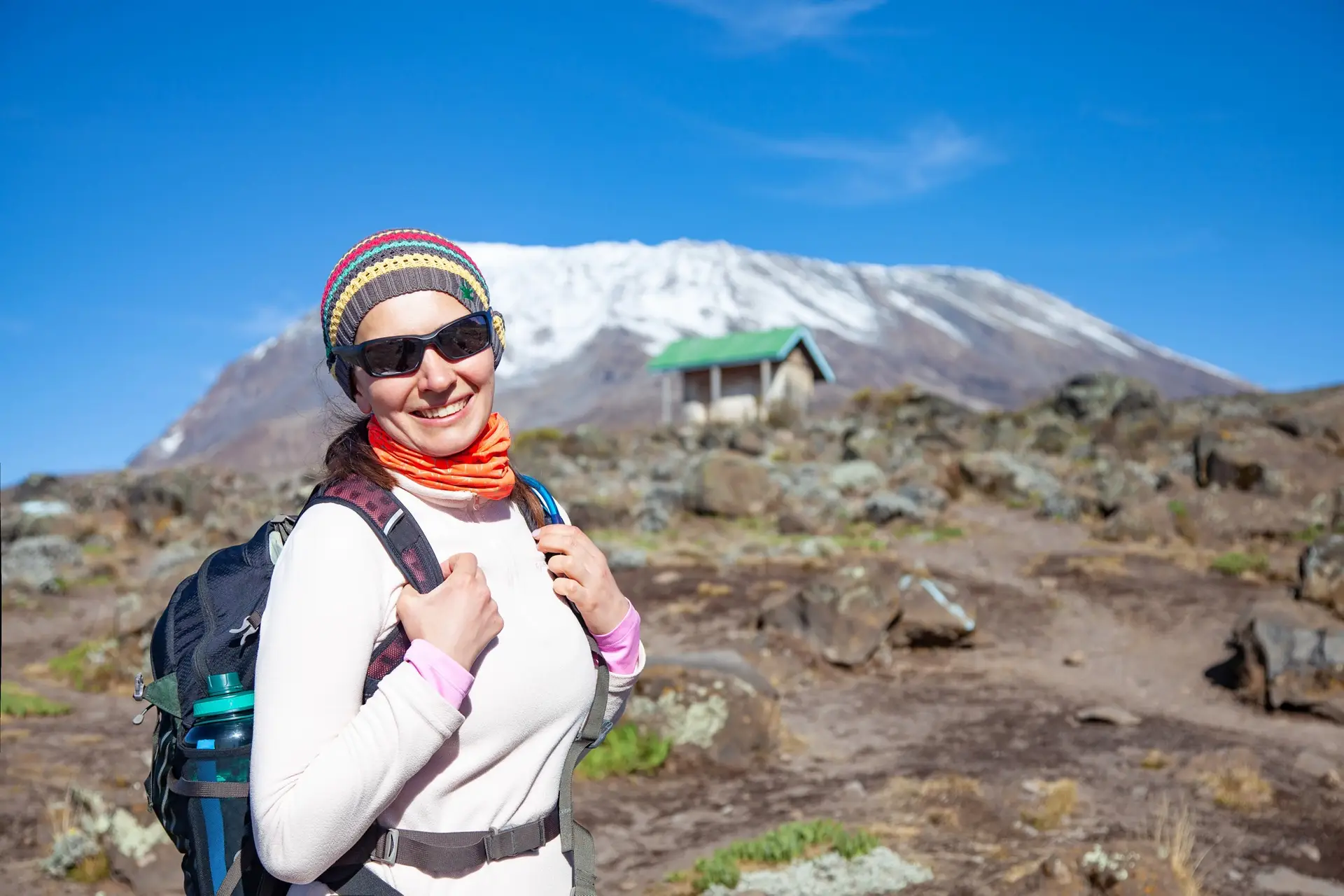
Best Time to Visit Mount Kilimanjaro National Park
Mount Kilimanjaro National Park can be visited throughout the year; however, the best climbing conditions occur during the dry seasons from January to March and from June to October. These months offer clearer skies, better trail conditions, and improved summit visibility.
The rainy seasons, typically from April to May and November, bring slippery trails and heavier cloud cover, which can reduce visibility. Despite these challenges, the mountain remains accessible, and fewer crowds may appeal to experienced climbers seeking solitude.
What to Pack for Mount Kilimanjaro National Park
Proper preparation is essential for a successful climb in Mount Kilimanjaro National Park. Packing should include layered clothing suitable for varying temperatures, as conditions shift dramatically from warm forest climates to freezing summit temperatures. Essential gear includes a high-quality sleeping bag rated for sub-zero conditions, trekking poles, a durable backpack, and a headlamp.
Additional necessities include sunscreen, lip balm, sunglasses with UV protection, a refillable water bottle or hydration system, and energy snacks. Personal medications and basic first-aid supplies should also be included. Tanzania Uganda Safaris provides detailed packing lists to ensure climbers are fully prepared.
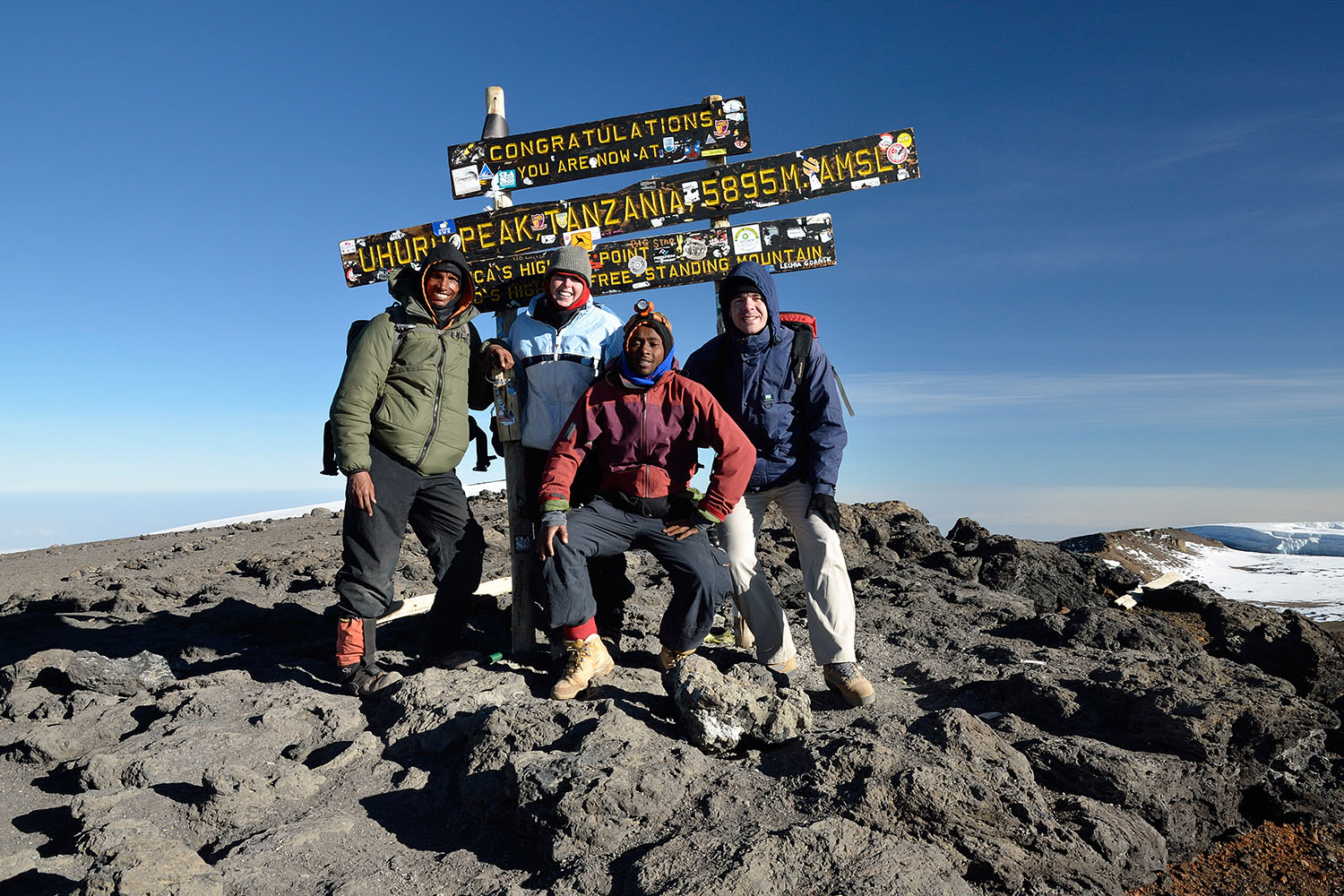
Mount Kilimanjaro National Park
What to Wear in Mount Kilimanjaro National Park
Appropriate clothing is crucial for comfort and safety. Moisture-wicking base layers help regulate body temperature during long hikes. Insulating mid-layers such as fleece jackets retain warmth at higher altitudes. A waterproof and windproof outer shell protects against rain and strong summit winds.
Sturdy, well-broken-in hiking boots with good ankle support are essential for navigating rocky and uneven terrain. Warm gloves, thermal hats, and thick socks are necessary for summit attempts, where temperatures can drop well below freezing. Dressing in layers allows climbers to adjust clothing according to changing weather conditions within Mount Kilimanjaro National Park.
Mount Kilimanjaro National Park stands as a symbol of adventure, resilience, and natural beauty. From its rich history and ecological diversity to the thrill of reaching Uhuru Peak, the park offers a once-in-a-lifetime experience for travelers seeking challenge and inspiration. At Tanzania Uganda Safaris, we are committed to providing expertly guided climbs and personalized service, ensuring every journey through Mount Kilimanjaro National Park is safe, memorable, and deeply rewarding.