
Mgahinga National Park
Mgahinga National Park is one of Uganda’s most spectacular yet intimate safari destinations, offering a rare blend of dramatic volcanic landscapes, endangered wildlife, and rich cultural heritage. Located in the extreme southwestern corner of Uganda, Mgahinga National Park lies within the larger Virunga Conservation Area, a transboundary ecosystem shared by Uganda, Rwanda, and the Democratic Republic of Congo. Though it covers only about 33.7 square kilometers, Mgahinga National Park is defined by towering volcanic peaks, lush bamboo forests, and afro-alpine vegetation that create a breathtaking natural environment.
At Tanzania Uganda Safaris, we consider Mgahinga National Park a true hidden gem for travelers seeking exclusivity, authenticity, and meaningful wildlife encounters. Unlike larger parks, Mgahinga offers a quieter, more personal safari experience where visitors can explore pristine habitats without overwhelming crowds. From tracking mountain gorillas to hiking volcanoes that touch international borders, every journey into Mgahinga National Park reveals a landscape shaped by ancient geological forces and protected through modern conservation efforts.
The Origin of Mgahinga National Park
The origin of Mgahinga National Park is closely tied to the conservation of the endangered mountain gorilla and the preservation of the Virunga volcanic ecosystem. Historically, the forested slopes of the Virunga Mountains were inhabited by wildlife and indigenous communities, particularly the Batwa people, who depended on the forest for survival. During the early 20th century, colonial authorities recognized the ecological importance of the area and designated parts of it as a game sanctuary in 1930.
As threats such as poaching and habitat loss increased, stronger protective measures became necessary. In 1991, the Ugandan government officially gazetted Mgahinga National Park as a national park to ensure long-term protection of its unique biodiversity. This designation also reinforced collaborative conservation efforts among neighboring countries sharing the Virunga landscape. Today, Mgahinga National Park stands as a symbol of international conservation cooperation and sustainable tourism development, where wildlife protection and community involvement go hand in hand.
What to See in Mgahinga National Park
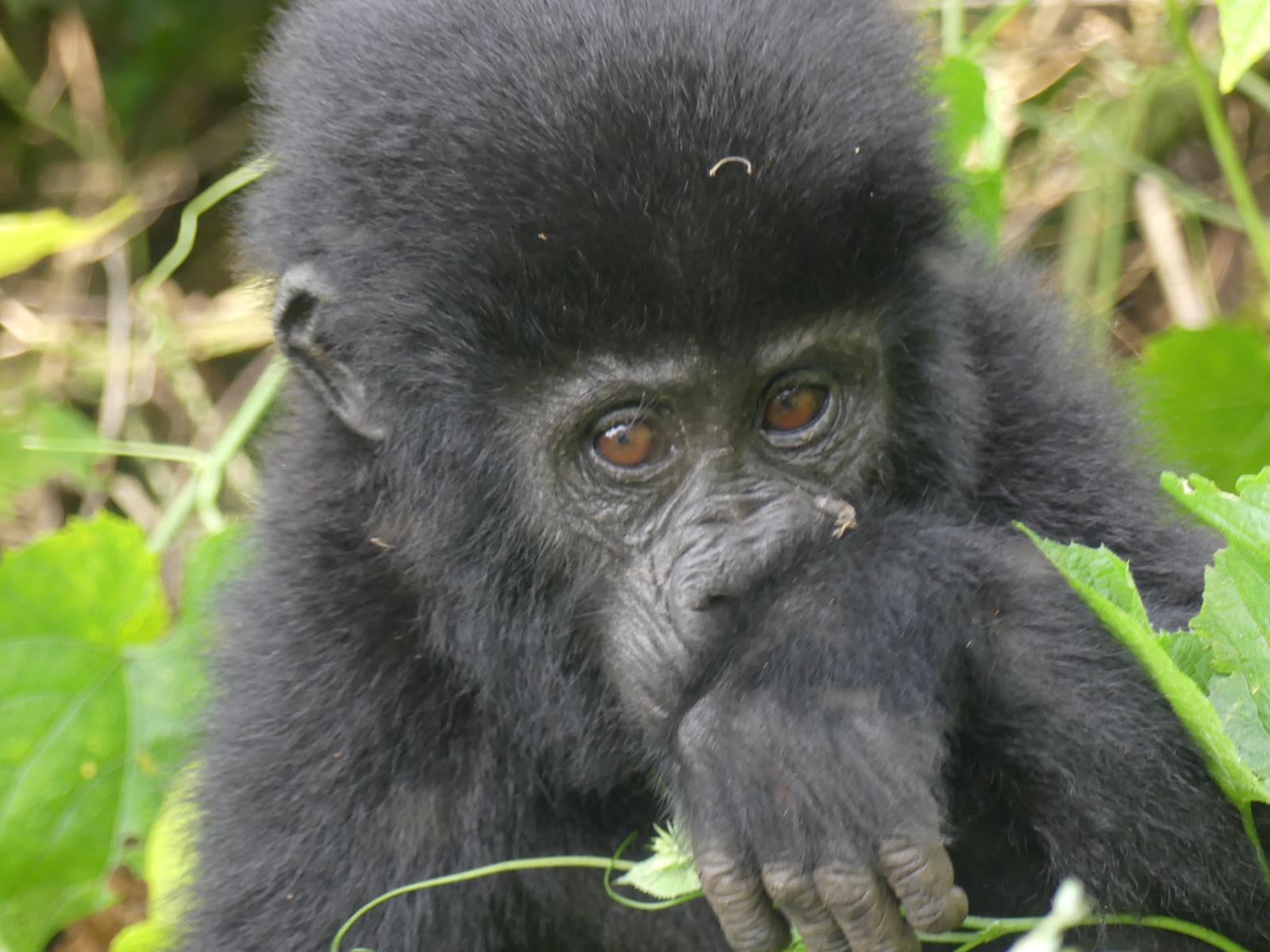
Mgahinga National Park is best known for its mountain gorillas, particularly the Nyakagezi gorilla family, which is habituated for tourism. Observing these magnificent primates in their natural volcanic habitat is a life-changing experience. The gorillas roam freely across the forested slopes, often framed by dramatic mountain backdrops that make sightings even more memorable.
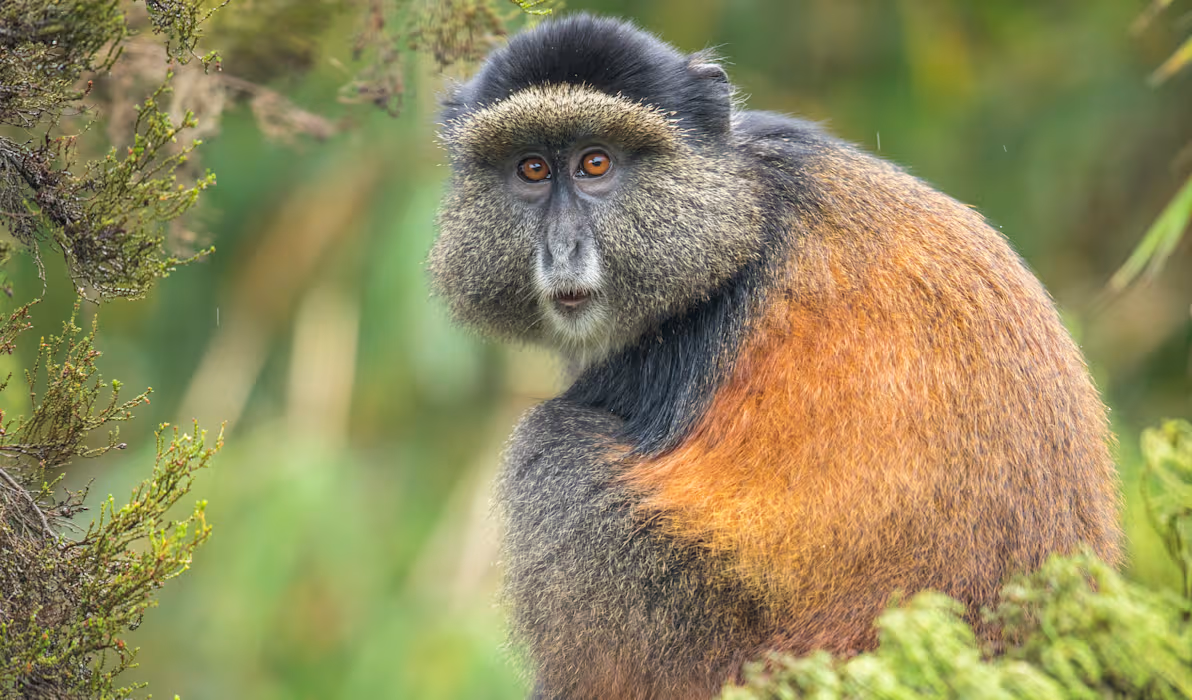
Another highlight of Mgahinga National Park is the endangered golden monkey. These lively and strikingly colored primates inhabit the bamboo forests and offer an exciting tracking experience distinct from gorilla trekking. Their playful movements and social interactions provide excellent photography opportunities.
The park’s scenery is equally captivating. Three extinct volcanoes—Mount Muhabura, Mount Gahinga, and Mount Sabyinyo—dominate the landscape. Each mountain offers unique views and ecological zones, from bamboo forests to alpine vegetation. Mgahinga National Park is also home to other wildlife species, including forest elephants, buffaloes, bushbucks, and giant forest hogs, though sightings can be less frequent due to dense vegetation.
Bird enthusiasts visiting Mgahinga National Park can spot over 180 bird species, including several Albertine Rift endemics. The park’s lava caves, such as Garama Cave, add historical and geological interest while offering insight into the heritage of the Batwa people.
 Things to Do in Mgahinga National Park
Mgahinga National Park offers a variety of activities that cater to adventure seekers and nature lovers alike. Gorilla trekking remains the most popular activity. Guided by experienced rangers, visitors hike through forest trails to locate the Nyakagezi gorilla family. Once found, guests spend one hour observing their natural behaviors in a respectful and controlled setting.
Golden monkey tracking is another signature activity in Mgahinga National Park. Visitors follow these energetic primates through bamboo forests, enjoying close encounters and learning about conservation efforts. Volcano hiking is a major draw for adventurous travelers. Mount Sabyinyo offers the rare opportunity to stand at the point where Uganda, Rwanda, and Congo meet. Mount Muhabura presents a challenging climb rewarded with panoramic views, while Mount Gahinga provides a scenic trek through lush vegetation to a crater swamp.
Cultural experiences with the Batwa community enrich visits to Mgahinga National Park. The Batwa Trail introduces visitors to traditional hunting techniques, medicinal plant knowledge, storytelling, and music, offering a deeper understanding of the forest’s human history.
Best Time to Visit Mgahinga National Park
Mgahinga National Park can be visited throughout the year, but the dry seasons are generally the best time for travel. The months from June to September and December to February provide more favorable trekking conditions, as trails are less muddy and hiking is easier.
The rainy seasons, from March to May and October to November, bring heavier rainfall that can make trails slippery. However, the landscape becomes greener and more vibrant during these months, and visitor numbers tend to be lower.
At Tanzania Uganda Safaris, we help travelers choose the best time to visit Mgahinga National Park based on their interests, whether focusing on wildlife tracking, hiking, or photography.
What to Pack for Mgahinga National Park
Packing appropriately for Mgahinga National Park is essential due to its mountainous terrain and unpredictable weather. Waterproof hiking boots with good grip are necessary for steep volcanic trails. A rain jacket or poncho is highly recommended, as showers can occur unexpectedly.
Travelers should pack insect repellent, sunscreen, a reusable water bottle, and energy snacks. A small daypack is ideal for carrying essentials during trekking. Binoculars enhance wildlife and birdwatching experiences, while a camera with spare batteries ensures you capture memorable moments.
 What to Wear in Mgahinga National Park
When visiting Mgahinga National Park, practical and layered clothing is key. Neutral colors such as khaki, green, and brown are recommended for wildlife tracking. Long-sleeved shirts and long trousers protect against insects and vegetation.
Layering is important because temperatures can change quickly, especially at higher elevations. A warm fleece jacket is useful for early morning starts, while waterproof outerwear protects against rain. Thick hiking socks and gaiters provide added comfort during long treks. Mgahinga National Park may be Uganda’s smallest park, but it offers one of the country’s most powerful safari experiences. From mountain gorillas and golden monkeys to volcanic peaks and Batwa heritage, every visit reveals a unique story of nature and conservation. At Tanzania Uganda Safaris, we proudly guide travelers into Mgahinga National Park, ensuring safe, responsible, and unforgettable journeys into Uganda’s