
Lake Nakuru National Park
Lake Nakuru National Park is one of Kenya’s most famous and visually striking wildlife destinations, celebrated for its breathtaking flamingo populations and diverse ecosystems. Located in the Rift Valley, approximately 160 kilometers northwest of Nairobi, the park covers 188 square kilometers and surrounds the alkaline Lake Nakuru. Renowned for both its wildlife and scenery, the park offers travelers unforgettable Kenya Safaris, Kenya Wildlife Safaris, and Kenya Birding Safaris. Tanzania Uganda Safaris designs expert-guided tours to help visitors explore the park’s rich biodiversity, unique landscapes, and fascinating cultural experiences while enjoying comfort and safety.
Lake Nakuru National Park
The Origin of Lake Nakuru National Park
Lake Nakuru National Park was officially gazetted in 1961 to protect the area’s flamingo populations and its unique ecosystem. The park was created after significant concern arose over habitat loss and overfishing in Lake Nakuru, which threatened the millions of flamingos that migrate to its shores. Over the decades, conservation efforts have expanded the park to protect additional habitats, including surrounding woodlands, grasslands, and rocky escarpments. Lake Nakuru is now home to a wide range of wildlife species, making it a model of successful conservation and sustainable tourism in Kenya. The park’s creation has also promoted eco-tourism and environmental awareness, providing visitors with both natural beauty and educational experiences.
What to See in Lake Nakuru National Park
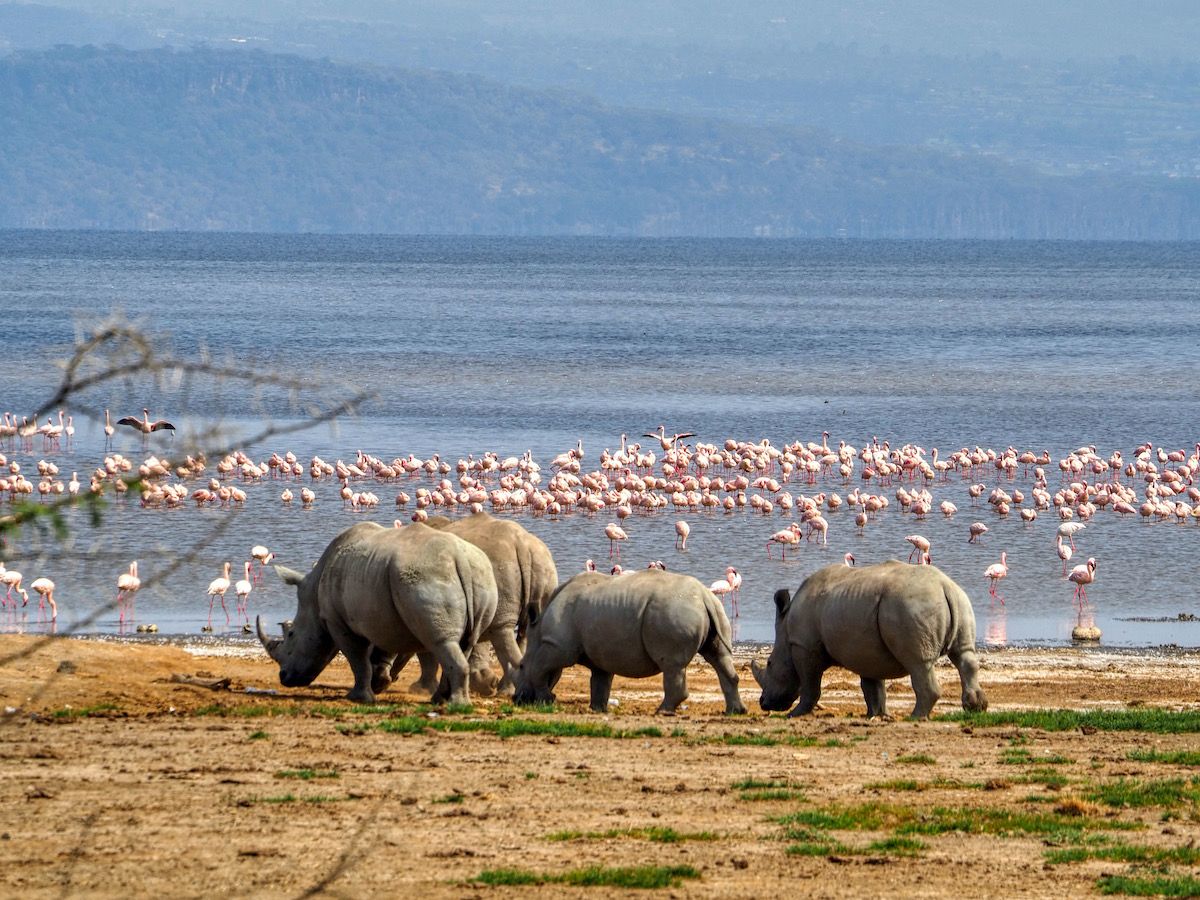
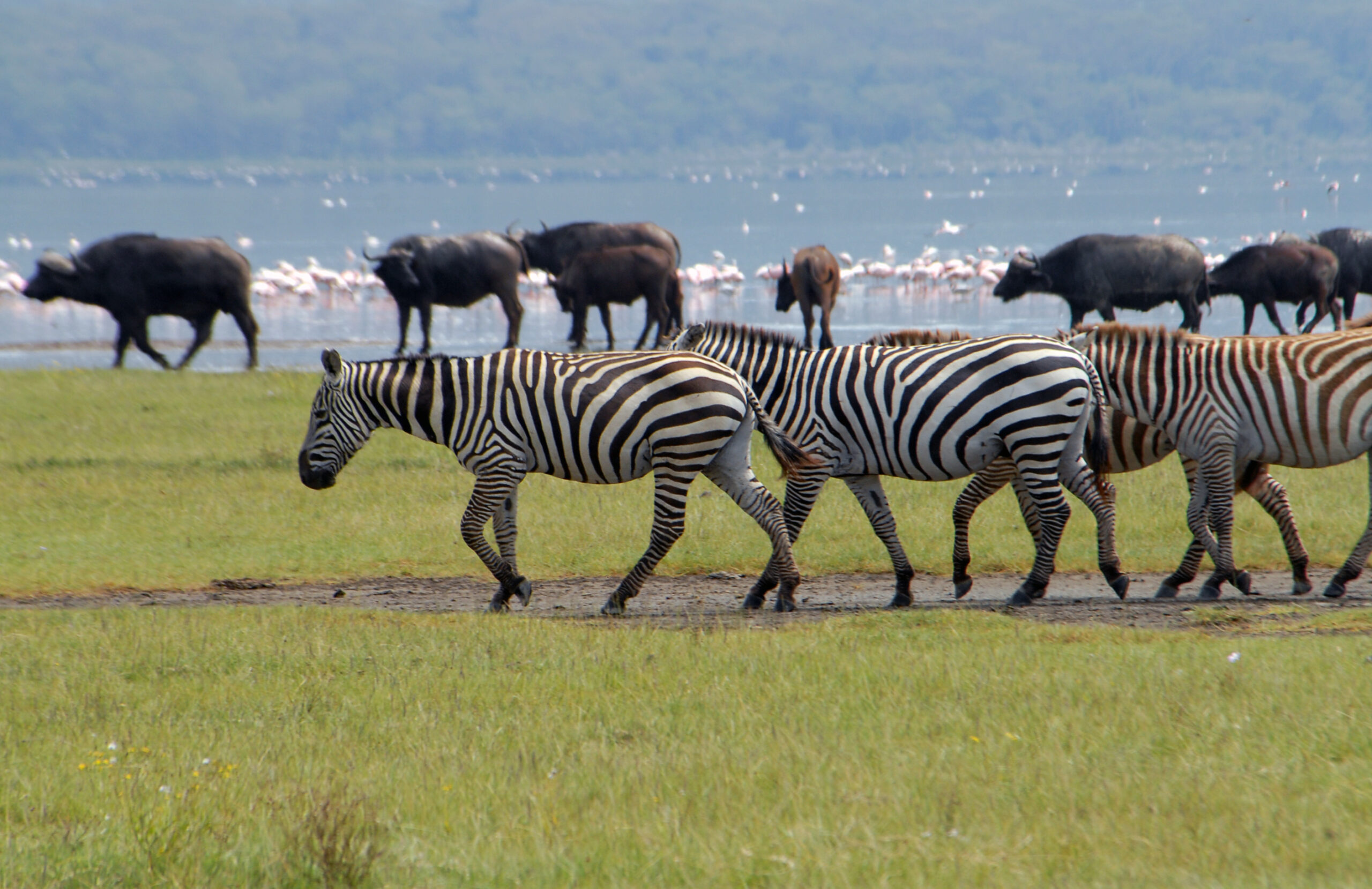
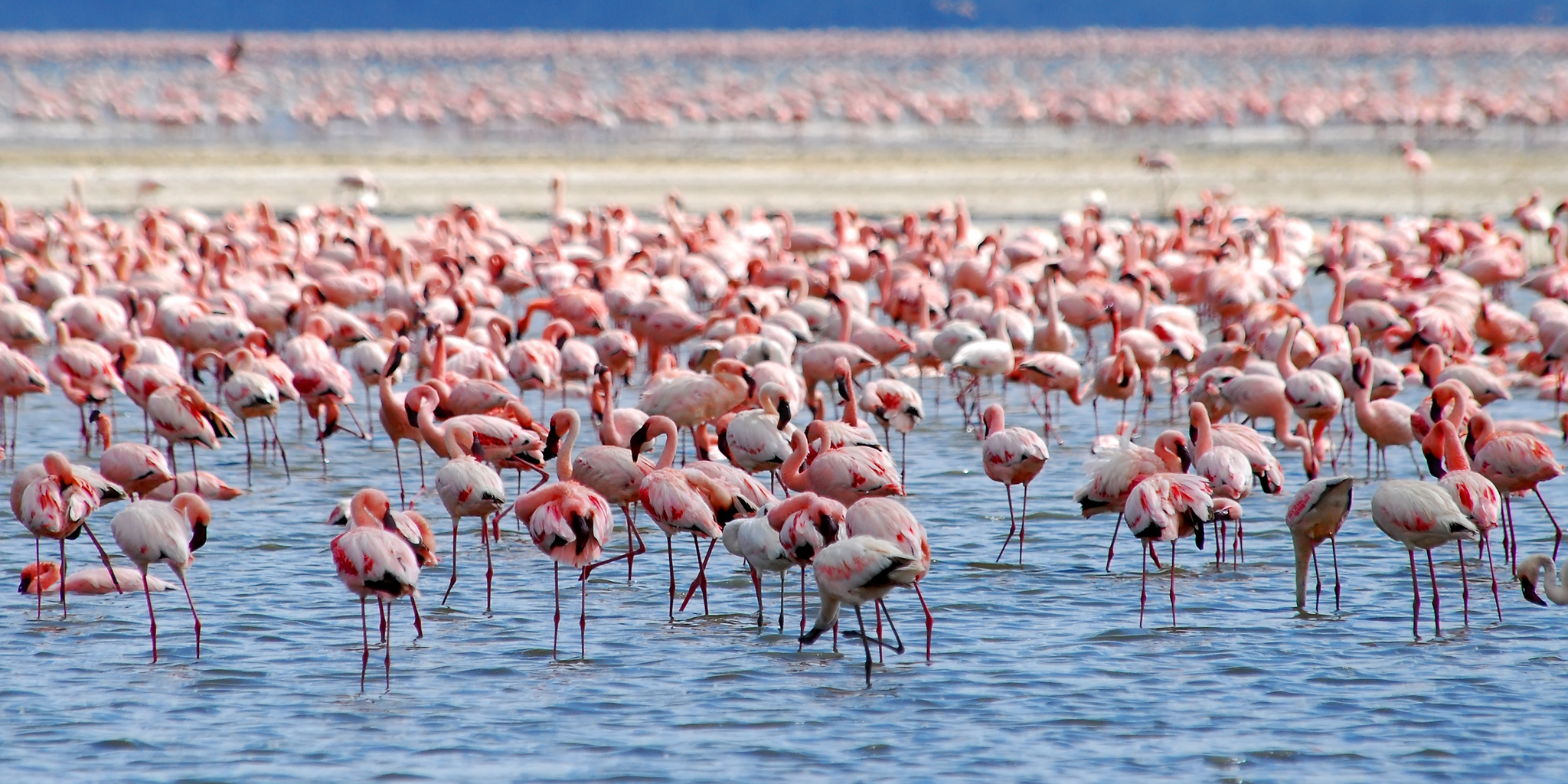
Lake Nakuru is renowned for its spectacular flamingo populations, which often appear as a shimmering pink band along the lake’s alkaline waters. Depending on the season, flamingo numbers can reach into the millions, creating one of Africa’s most iconic wildlife spectacles. Beyond flamingos, the park is home to both black and white rhinoceroses, making it a prime destination for Kenya Wildlife Safaris. Other wildlife includes lions, leopards, giraffes, zebras, hippos, and a variety of antelopes such as waterbucks, impalas, and reedbucks. Birdwatchers will enjoy more than 450 species, including pelicans, cormorants, kingfishers, herons, and fish eagles. Makalia Falls, the baboon cliff, and the crescent-shaped lake shore provide scenic landscapes for photography, while the escarpments offer opportunities for panoramic views of the park’s diverse habitats.
Things to Do in Lake Nakuru National Park
Visitors to Lake Nakuru can engage in a variety of activities that highlight both wildlife and nature. Guided game drives are the most popular, allowing tourists to view large herds of wildlife in their natural habitats. Early morning and late afternoon drives provide the best lighting and wildlife activity. Kenya Birding Safaris are particularly rewarding here, as the lake’s alkaline waters attract thousands of flamingos along with other endemic and migratory bird species. Photography tours offer chances to capture stunning landscapes and close-up wildlife shots, while guided bush walks allow visitors to explore the park’s grasslands, woodlands, and escarpments up close. Cultural visits to nearby Maasai villages can be arranged, offering insights into traditional pastoral lifestyles, dances, and rituals. These experiences enrich the safari by providing context about local communities that coexist with the park’s wildlife.
 Best Time to Go to Lake Nakuru National Park
Lake Nakuru National Park can be visited year-round, but the best wildlife viewing occurs during the dry seasons from June to October and January to February. During these months, animals congregate near water sources, making sightings more predictable and abundant. Flamingo numbers are highest when water levels are stable, usually after the rainy season, creating the iconic pink shoreline for which the park is famous. The wet seasons, from March to May and November to December, bring lush greenery to the park and provide excellent opportunities for birdwatching and observing newborn wildlife. Though some roads may become muddy, guided tours ensure accessibility and safety during these periods.
What to Pack for Lake Nakuru National Park
Packing wisely enhances the safari experience. Neutral-colored clothing such as khaki, beige, or olive helps visitors blend into the environment, making wildlife observation easier. Essential items include sunscreen, sunglasses, insect repellent, a wide-brimmed hat, and a reusable water bottle. Binoculars are highly recommended for birdwatching and spotting distant wildlife, while a camera with extra batteries and memory cards ensures that you capture every unforgettable moment. A small daypack is convenient for carrying essentials during game drives and bush walks, and a basic first-aid kit is recommended for safety. Layered clothing helps visitors adapt to the cool mornings, warm afternoons, and occasional evening chills.
What to Wear in Lake Nakuru National Park
Comfortable and practical attire ensures an enjoyable safari. Long-sleeved shirts and trousers protect against sunburn, insects, and thorny vegetation during bush walks. Lightweight layers are advisable, as temperatures fluctuate throughout the day. Sturdy, closed-toe shoes or hiking boots provide support on uneven terrain and allow for walking safaris. Earth-toned clothing is preferred to avoid disturbing wildlife, and hats or caps offer protection from the sun. Sunglasses and a lightweight jacket or fleece for early mornings and evenings complete the essential safari wardrobe.
Lake Nakuru National Park
In Conclusion
Lake Nakuru National Park remains one of Kenya’s most accessible and rewarding safari destinations. Its vibrant flamingo populations, diverse wildlife, and scenic landscapes provide a perfect backdrop for Kenya Safaris, Kenya Birding Safaris, and Kenya Wildlife Safaris. From thrilling game drives and photography opportunities to cultural interactions with local Maasai communities, the park offers experiences that appeal to both nature lovers and adventure seekers. Tanzania Uganda Safaris ensures expertly guided tours that combine wildlife, culture, and comfort, creating memorable safari experiences in Lake Nakuru National Park. Whether observing rhinos, flamingos, lions, or rare birds, visitors leave with unforgettable memories and a deep appreciation for Kenya’s natural heritage.