
Kibale Forest National Park
Kibale Forest National Park is one of Uganda’s most captivating natural destinations, celebrated for its extraordinary primate diversity, lush tropical rainforest, and immersive wildlife experiences. Located in western Uganda near Fort Portal and at the foothills of the Rwenzori Mountains, Kibale Forest National Park covers approximately 795 square kilometers of moist evergreen forest interspersed with grasslands and swamps. Often referred to as the “Primate Capital of the World,” the park is best known for hosting the highest concentration of chimpanzees in East Africa. However, Kibale Forest National Park offers far more than chimpanzee trekking; it presents a dynamic ecosystem rich in biodiversity, scenic landscapes, and cultural encounters that together create a rewarding safari experience.
The Origin of Kibale Forest National Park
The origin of Kibale Forest National Park is rooted in both ecological preservation and evolving conservation policy. The forest itself has existed for thousands of years, forming part of a larger tropical rainforest system that once stretched across much of East Africa. Its fertile soils and favorable climate supported dense vegetation and diverse wildlife populations, making it an ecological stronghold within the Albertine Rift region.
During the colonial era, parts of the forest were initially designated as a Crown Forest Reserve in 1932 to regulate timber extraction and protect watershed areas. Over time, increasing awareness of the forest’s ecological importance and the threats posed by logging and agricultural expansion led to stronger protection measures. In 1993, Kibale Forest was officially gazetted as Kibale Forest National Park. This transformation from forest reserve to national park strengthened wildlife protection, encouraged scientific research, and laid the foundation for sustainable tourism development. Today, Kibale Forest National Park stands as a model of successful conservation where wildlife protection, community involvement, and eco-tourism work together to preserve one of Africa’s richest ecosystems.
What to See in Kibale Forest National Park
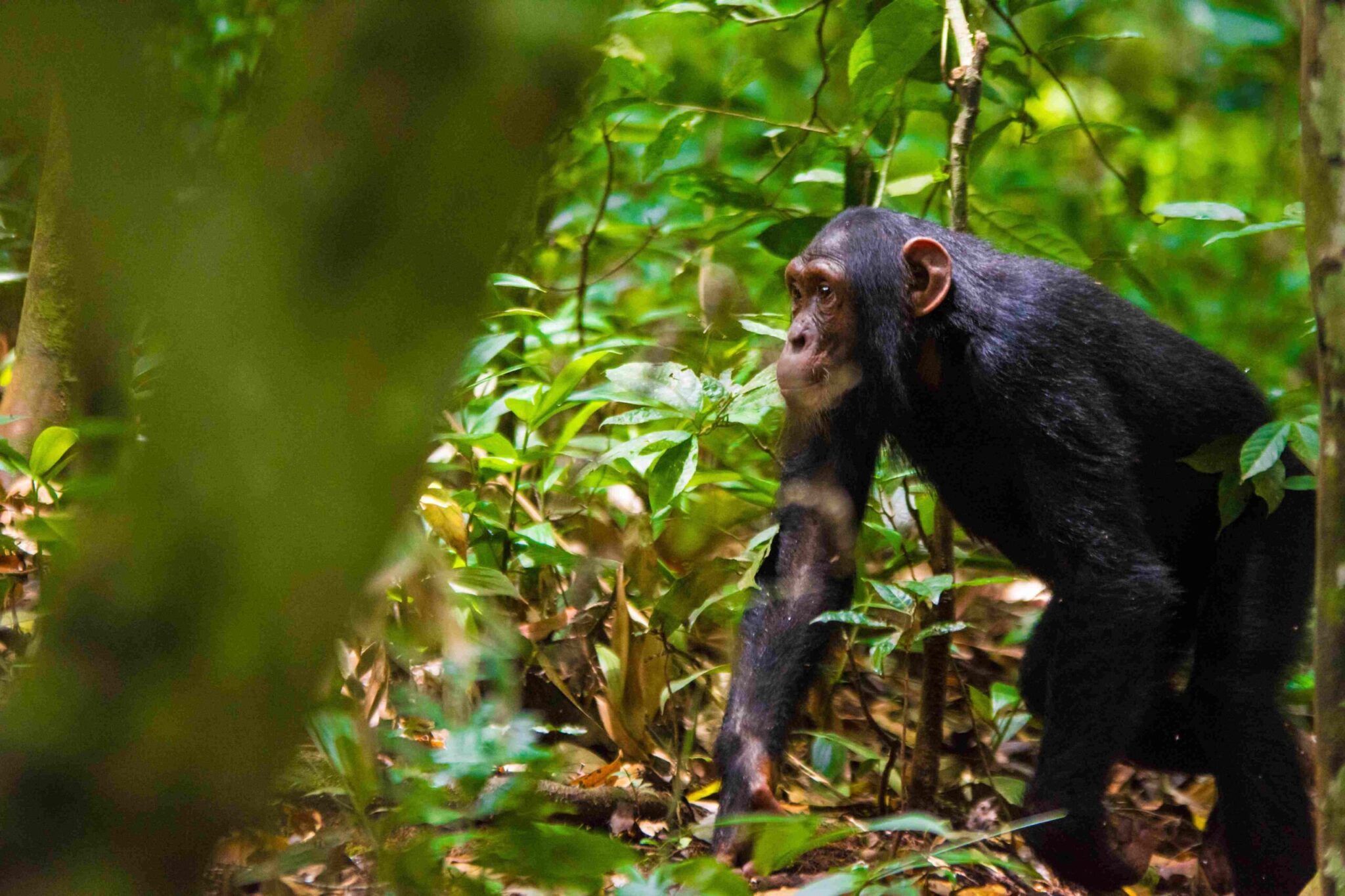
Kibale Forest National Park is internationally recognized for its remarkable biodiversity, particularly its primate population. The park is home to 13 primate species, including over 1,500 chimpanzees. Visitors often encounter large troops of red colobus monkeys, black-and-white colobus monkeys, L’Hoest’s monkeys, grey-cheeked mangabeys, blue monkeys, olive baboons, and vervet monkeys. This concentration of primates makes Kibale Forest National Park a dream destination for wildlife enthusiasts and researchers alike.
Beyond primates, Kibale Forest National Park supports more than 70 mammal species. Forest elephants, buffaloes, bush pigs, and several antelope species inhabit the park, though sightings may require patience due to dense vegetation. The park is also a haven for birdwatchers, with over 375 bird species recorded. Notable species include the African pitta, green-breasted pitta, crowned eagle, and great blue turaco. The landscape of Kibale Forest National Park is equally captivating. Towering hardwood trees, thick undergrowth, swamp wetlands such as Bigodi Wetland Sanctuary, and crater lakes surrounding the park create diverse habitats and scenic beauty. The blend of rainforest canopy, open clearings, and wetland ecosystems makes Kibale Forest National Park one of Uganda’s most ecologically diverse safari destinations.
Things to Do in Kibale Forest National Park
Chimpanzee trekking is the flagship activity in Kibale Forest National Park. Guided by experienced rangers, visitors venture into the forest to track habituated chimpanzee communities. The trek may last several hours depending on chimpanzee movements, but once located, guests spend one hour observing these intelligent primates. Watching chimpanzees communicate, groom, and swing through the canopy offers a fascinating insight into their social behavior.
For those seeking a deeper experience, the Chimpanzee Habituation Experience allows participants to spend extended time with researchers as they follow semi-habituated chimpanzees throughout their daily activities. This immersive option provides a deeper understanding of primate ecology and conservation.
Nature walks and forest hikes offer additional exploration opportunities within Kibale Forest National Park. Guided walks introduce visitors to medicinal plants, butterflies, birds, and smaller wildlife species. The nearby Bigodi Wetland Sanctuary provides exceptional birdwatching and community-based tourism experiences.
Cultural tours around the park allow travelers to interact with local communities, learn about traditional farming methods, and experience Ugandan hospitality. Crater lake tours and scenic viewpoints around Kibale Forest National Park further enhance the overall adventure.
Best Time to Visit Kibale Forest National Park
Kibale Forest National Park is open to visitors year-round, but the best time to visit generally falls during the dry seasons. The primary dry periods occur from December to February and June to September. During these months, forest trails are less muddy, making chimpanzee trekking and hiking more manageable.
The rainy seasons, from March to May and October to November, bring heavier rainfall that can make trekking more physically demanding. However, the forest becomes exceptionally lush and vibrant during this time. Birdwatchers often prefer wetter months due to increased bird activity and breeding displays.
Ultimately, Kibale Forest National Park offers rewarding experiences in every season, and travel timing depends largely on personal preference and tolerance for rain.
What to Pack for Kibale Forest National Park
Packing appropriately ensures comfort and safety while exploring Kibale Forest National Park. Essential items include a waterproof jacket or poncho due to unpredictable rainfall. Long-sleeved shirts and long trousers help protect against insects and thick vegetation. Sturdy hiking boots with good grip are crucial for navigating forest terrain. Insect repellent is highly recommended, as tropical forests can host mosquitoes and other insects. A small backpack should carry water, energy snacks, sunscreen, and personal medications. Binoculars are valuable for birdwatching, while a quality camera with extra batteries helps capture memorable wildlife encounters. Garden gloves can be useful when trekking through dense undergrowth. A reusable water bottle supports environmentally responsible travel practices.
What to Wear in Kibale Forest National Park
Appropriate clothing enhances comfort during activities in Kibale Forest National Park. Neutral-colored attire such as green, brown, or khaki is recommended for blending into the forest environment. Bright colors are generally discouraged during wildlife tracking. Layered clothing works best due to temperature changes between early mornings and midday. A moisture-wicking shirt, lightweight fleece, and breathable hiking trousers provide comfort and flexibility. Waterproof outerwear is essential in case of rain. Comfortable hiking socks help prevent blisters, and gaiters can protect against mud. A hat and sunglasses are useful during sunny periods, especially in open clearings. Dressing practically ensures visitors fully enjoy the experiences offered by Kibale Forest National Park.
In Conclusion:
Kibale Forest National Park stands as one of Uganda’s most rewarding safari destinations, offering an unparalleled opportunity to explore tropical rainforest ecosystems and observe primates in their natural habitat. From its conservation history and remarkable biodiversity to its immersive activities and scenic landscapes, the park provides an enriching and educational adventure. Whether trekking chimpanzees, birdwatching in wetlands, or hiking beneath towering trees, Kibale Forest National Park promises an unforgettable journey into the heart of Africa’s natural heritage.