
Gishwati National Park
Gishwati National Park is one of Rwanda’s most remarkable and lesser-known safari destinations, offering visitors an intimate encounter with pristine rainforest, diverse wildlife, and cultural heritage. Located in the western region of Rwanda, near the Lake Kivu corridor, Gishwati covers approximately 33 square kilometers of dense montane forest, bamboo groves, and wetlands. This forested sanctuary is part of Rwanda’s ambitious conservation initiatives to restore and protect its ecosystems while offering unique eco-tourism experiences. Tanzania Uganda Safaris proudly organizes guided Rwanda safaris to Gishwati, combining wildlife exploration, forest hiking, and cultural interactions for travelers seeking off-the-beaten-path adventures.
The Origin of Gishwati National Park
Gishwati National Park has a rich conservation history that dates back to the 1970s when the forest covered much larger areas. Over the decades, deforestation, agriculture, and human settlement significantly reduced its size, threatening its biodiversity and primate populations. Recognizing the urgent need for conservation, the Rwandan government, with support from international organizations, undertook a major reforestation and restoration project in the 2010s. Officially designated as a national park in 2015, Gishwati now serves as a critical corridor connecting other Rwandan forests and conservation areas, including Nyungwe National Park. The park plays a vital role in preserving endangered species, including chimpanzees, golden monkeys, and rare bird species. Its restoration highlights Rwanda’s commitment to eco-tourism and sustainable wildlife conservation, making it a premier destination for Rwanda safaris that focus on rainforest biodiversity.
What to See in Gishwati National Park
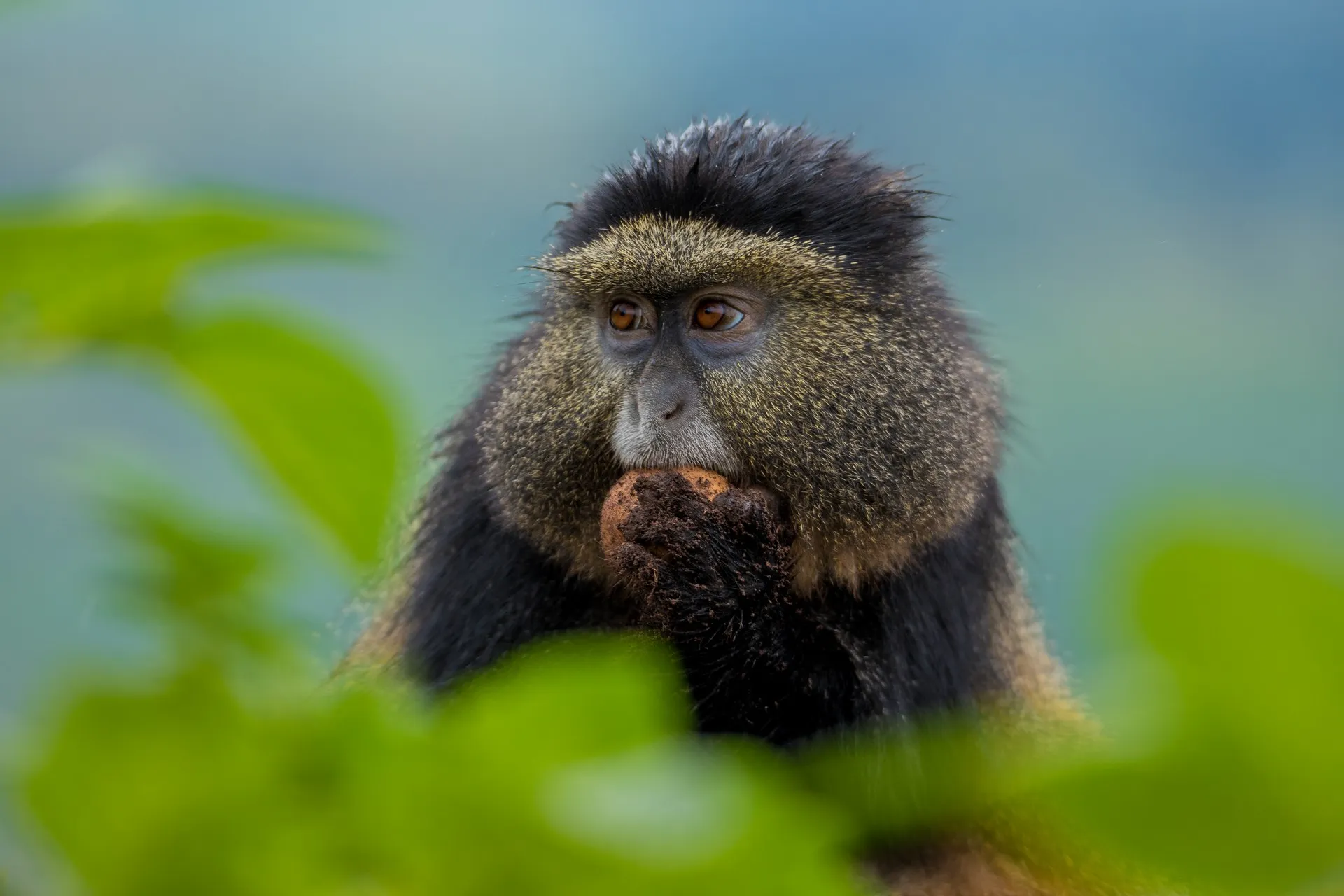
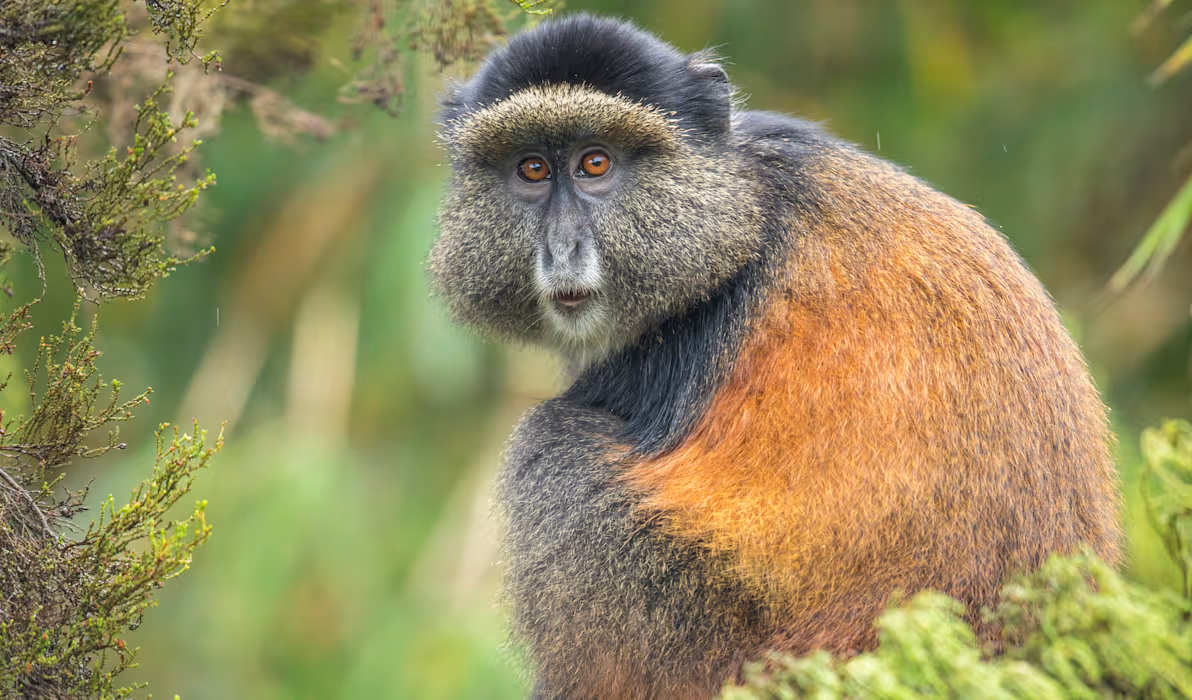
Gishwati National Park is home to a remarkable variety of wildlife. Visitors can expect to encounter chimpanzees, one of the park’s most iconic inhabitants, alongside golden monkeys, duikers, and other small primates. Over 200 bird species thrive in the forest, making the park an excellent destination for Rwanda birding safaris. Endemic and migratory birds alike add color and vitality to the rainforest canopy. Scenic trails wind through the forest, leading to waterfalls, bamboo groves, and streams. Unique vegetation, including towering mahogany, fig, and bamboo species, contributes to the park’s lush and tranquil environment. Additionally, the surrounding hills and valleys offer stunning panoramic views, enhancing the sense of immersion in Rwanda’s natural landscapes.
Things to Do in Gishwati National Park
Chimpanzee tracking is the highlight of Gishwati National Park. Guided by experienced rangers, visitors trek through dense forest in search of habituated chimpanzee groups, observing their social interactions and playful behaviors in a natural setting. Hiking and nature walks allow guests to explore the park’s rich biodiversity, from rare primates to endemic plants and spectacular birdlife. Birdwatching tours are particularly rewarding, offering sightings of elusive species such as the Rwenzori turaco and white-spotted flufftail. Cultural experiences in nearby communities allow travelers to engage with traditional Rwandan lifestyles, including handicrafts, local farming practices, and storytelling. Photographers and wildlife enthusiasts find endless opportunities to capture the park’s vibrant wildlife, scenic landscapes, and tranquil waterfalls.
Best Time to Go to Gishwati National Park
The optimal time for visiting Gishwati National Park is during the dry seasons from June to September and December to February, when trails are more navigable and wildlife is easier to spot. Chimpanzees and other primates are more active, making tracking experiences highly rewarding. The wet seasons from March to May and October to November bring lush vegetation and flowing waterfalls, enhancing the rainforest’s beauty. While hiking can be more challenging due to slippery trails, the forest is quieter, providing a more intimate and serene experience for dedicated wildlife enthusiasts.
What to Pack for Gishwati National Park
Visitors should prepare adequately to enjoy the rainforest environment comfortably. Essential items include sturdy, waterproof hiking boots with good ankle support for trekking on uneven and muddy trails. Long-sleeved shirts and trousers provide protection against insects, nettles, and rough vegetation. A lightweight rain jacket is recommended due to the possibility of sudden rainfall. Gloves and gaiters can help when navigating dense forest areas. Other must-have items include a backpack with water, energy snacks, a camera, binoculars for birdwatching, insect repellent, sunscreen, and any personal medications.
What to Wear in Gishwati National Park
Dressing appropriately enhances both comfort and safety during rainforest activities. Neutral-colored, breathable clothing helps visitors blend into the natural environment while keeping cool. Layered clothing is advisable to accommodate temperature changes throughout the day. Closed-toe hiking shoes are essential for stability on slippery trails. Lightweight jackets or fleece can provide warmth during early morning treks. Hats, sunglasses, and long trousers help protect against sun exposure and insect bites. Avoid bright colors or strong scents, which may disturb wildlife.
 In Conclusion:
Gishwati National Park offers a rare and intimate rainforest safari experience in Rwanda. From thrilling chimpanzee tracking and golden monkey encounters to birdwatching, hiking, and cultural immersion, the park provides a diverse and rewarding adventure for every traveler. Tanzania Uganda Safaris ensures expertly guided, safe, and memorable visits to Gishwati National Park. With a focus on conservation, sustainable tourism, and personalized service, we create transformative Rwanda safaris that connect visitors with the park’s vibrant wildlife, scenic landscapes, and rich cultural heritage. A journey to Gishwati promises adventure, discovery, and lifelong memories in one of Africa’s most fascinating rainforest ecosystems.