
Bwindi Impenetrable Forest National Park
Bwindi Impenetrable Forest National Park is one of Africa’s most extraordinary natural landscapes, a place where ancient rainforest, endangered wildlife, and vibrant culture blend into an unforgettable safari experience. Located in southwestern Uganda along the edge of the Albertine Rift Valley, Bwindi Impenetrable Forest National Park covers approximately 331 square kilometers of dense tropical forest, dramatic hills, and mist-filled valleys. Recognized as a UNESCO World Heritage Site, the park is globally celebrated for protecting nearly half of the world’s remaining mountain gorillas. However, beyond its international reputation for gorilla trekking, Bwindi Impenetrable Forest National Park offers remarkable biodiversity, scenic beauty, and meaningful cultural connections that make it one of the most rewarding safari destinations in Africa.
The Origin of Bwindi Impenetrable Forest National Park
The origin of Bwindi Impenetrable Forest National Park is deeply tied to both ecological history and conservation evolution. The forest itself is believed to be more than 25,000 years old, making it one of the oldest surviving rainforests on the African continent. During past climatic changes, when many forests declined, Bwindi remained relatively stable, allowing unique plant and animal species to evolve within its protected environment. This ancient continuity explains the park’s exceptional biodiversity and high number of endemic species.
In 1932, the area was first gazetted as a forest reserve under colonial administration, known as the Bwindi Impenetrable Forest Reserve. As conservation awareness grew and the mountain gorilla population faced increasing threats from habitat loss and poaching, stronger protection became necessary. In 1991, the forest was officially declared Bwindi Impenetrable Forest National Park to safeguard its fragile ecosystem and endangered wildlife. This upgrade significantly strengthened conservation measures, research programs, and sustainable tourism initiatives. Today, Bwindi Impenetrable Forest National Park stands as a global model for wildlife conservation supported by responsible tourism and community engagement.
What to See in Bwindi Impenetrable Forest National Park
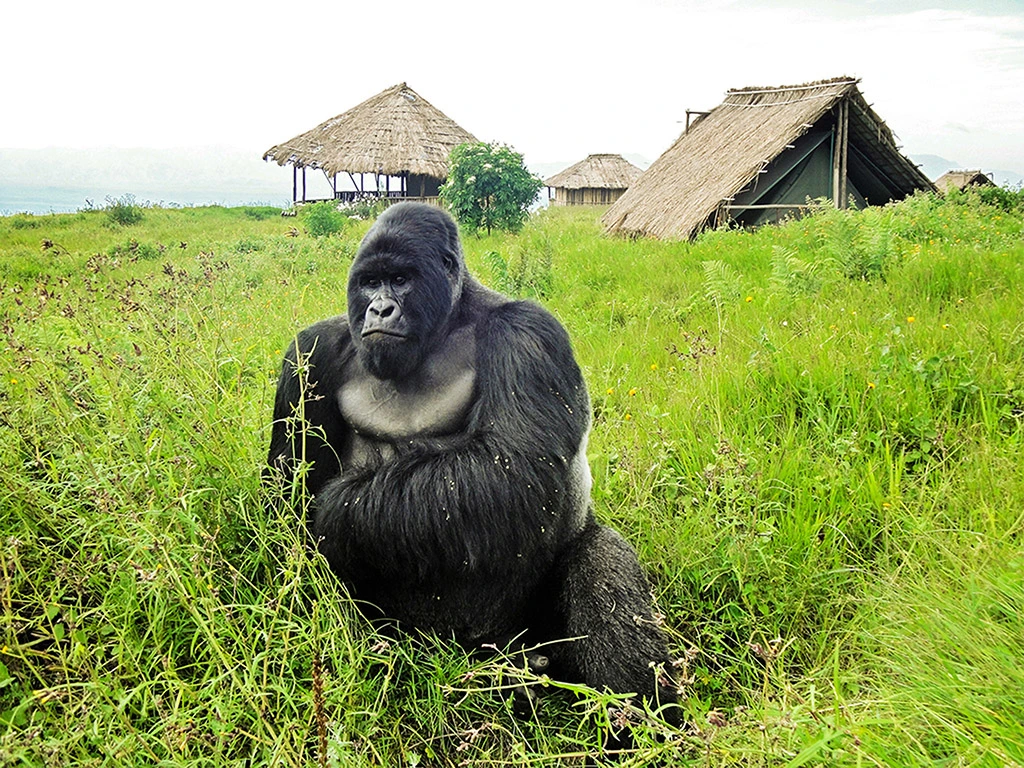
Visitors to Bwindi Impenetrable Forest National Park encounter one of the richest ecosystems in Africa. The park is most famous for its mountain gorillas, with over twenty habituated families distributed across four main sectors: Buhoma, Ruhija, Rushaga, and Nkuringo. Observing these gentle giants in their natural habitat remains the highlight of any visit.
Beyond gorillas, Bwindi Impenetrable Forest National Park hosts over 120 mammal species. Forest elephants, though rarely seen, roam its interior, while primates such as black-and-white colobus monkeys, red-tailed monkeys, and L’Hoest’s monkeys are commonly spotted along forest trails. Bird enthusiasts can observe more than 350 bird species, including 23 Albertine Rift endemics. Rare sightings may include the African green broadbill, regal sunbird, and Shelley’s crimsonwing. The landscape itself is equally impressive. Towering hardwood trees, thick vines, bamboo zones, and cascading waterfalls create a dramatic setting that feels untouched by time. Mist often blankets the hills in the early morning, enhancing the park’s mystical atmosphere. Bwindi Impenetrable Forest National Park is not only a wildlife sanctuary but also a breathtaking natural environment that captivates photographers, researchers, and nature lovers alike.
Things to Do in Bwindi Impenetrable Forest National Park
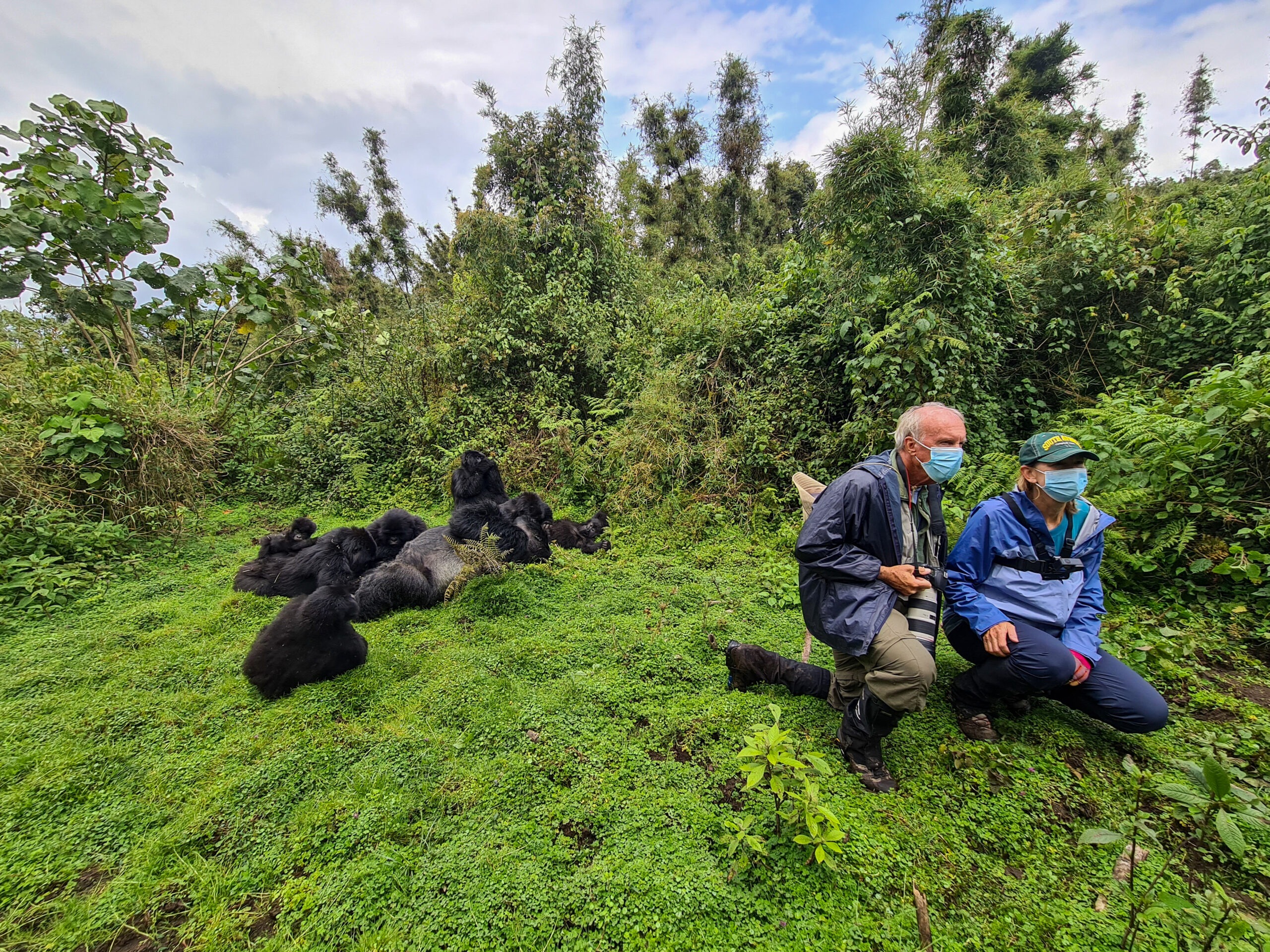
Bwindi Impenetrable Forest National Park offers a range of activities that provide both adventure and education. Gorilla trekking is the flagship experience. Guided by trained rangers, visitors hike through dense forest terrain to locate a habituated gorilla family. Once found, guests spend one hour observing their behavior, capturing photographs, and learning about conservation efforts. For travelers seeking a deeper experience, the Gorilla Habituation Experience allows extended time with a semi-habituated group under the guidance of researchers. This provides greater insight into gorilla behavior and social dynamics.
Nature walks and forest hikes are another highlight. Trails such as the Mubwindi Swamp Trail and Ivy River Trail reveal waterfalls, birdlife, butterflies, and medicinal plants. Birdwatching is particularly rewarding due to the park’s rich avian diversity. Cultural experiences add meaningful context to the visit. The Batwa Cultural Experience introduces visitors to the traditions of the indigenous forest community, including storytelling, music, and demonstrations of ancient survival skills. Village walks and local craft visits also allow travelers to connect with nearby communities, supporting sustainable tourism development.
Best Time to Visit Bwindi Impenetrable Forest National Park
Bwindi Impenetrable Forest National Park can be visited throughout the year, but the dry seasons are generally considered the best time for travel. The main dry periods occur from June to September and December to February. During these months, forest trails are less muddy, making gorilla trekking and hiking more comfortable. The rainy seasons, from March to May and October to November, bring heavier showers. Although trekking may become more challenging, the forest appears greener and more vibrant. Birdwatchers often prefer this period because migratory species are active and breeding plumage is visible. Choosing the best time to visit Bwindi Impenetrable Forest National Park depends on personal preference, but both dry and wet seasons offer unique advantages.
What to Pack for Bwindi Impenetrable Forest National Park
Packing appropriately ensures a comfortable and enjoyable safari in Bwindi Impenetrable Forest National Park. Essential items include a waterproof jacket or poncho, as rain can occur unexpectedly. Long-sleeved shirts and long trousers provide protection from insects and thorny vegetation. Sturdy waterproof hiking boots with good ankle support are crucial for navigating steep and muddy terrain. Garden gloves are helpful when gripping branches during gorilla trekking. A small daypack should carry bottled water, energy snacks, sunscreen, insect repellent, and personal medications. Binoculars enhance birdwatching opportunities, while a good-quality camera with extra batteries allows visitors to capture memorable wildlife moments. A reusable water bottle is recommended to reduce plastic waste and support eco-friendly travel practices.
What to Wear in Bwindi Impenetrable Forest National Park
Clothing for Bwindi Impenetrable Forest National Park should be practical, comfortable, and protective. Neutral colors such as green, brown, or khaki are ideal for blending into the natural environment. Bright colors are discouraged during wildlife activities. Layered clothing works best because temperatures can vary between early morning and midday. A moisture-wicking shirt, breathable hiking trousers, and a lightweight fleece provide comfort during treks. Waterproof outerwear is essential due to unpredictable rain. Thick hiking socks help prevent blisters, and gaiters offer additional protection from mud and insects. A wide-brimmed hat and sunglasses are useful during sunny periods. Dressing appropriately ensures that visitors fully enjoy the adventure without discomfort.
Final Thoughts:
Bwindi Impenetrable Forest National Park remains one of Africa’s most iconic safari destinations. From its ancient origins and extraordinary biodiversity to its life-changing gorilla encounters and cultural experiences, the park offers an immersive journey into one of the world’s most remarkable ecosystems. Whether visiting for wildlife, adventure, or conservation insight, Bwindi Impenetrable Forest National Park promises a meaningful and unforgettable African safari experience