
Arusha National Park
Arusha National Park stands as one of Tanzania’s most accessible and diverse protected areas, offering an exceptional introduction to East African safaris. Located just a short drive from Arusha town and Kilimanjaro International Airport, this compact yet remarkably varied destination covers approximately 552 square kilometers of lush landscapes, volcanic mountains, crater lakes, and open savannah. Despite its smaller size compared to other parks in Tanzania’s northern circuit, Arusha National Park delivers a rich concentration of wildlife, breathtaking scenery, and unique outdoor activities. At Tanzania Uganda Safaris, we proudly present this park as an ideal choice for travelers seeking a peaceful, scenic, and activity-filled safari experience without venturing far from the country’s main tourism hub.
The Origin and History of the Park
Arusha National Park was officially established in 1960, combining the former Ngurdoto Crater National Park and Mount Meru Game Reserve into one protected area. Conservation efforts were initiated to safeguard the region’s fragile ecosystems, diverse wildlife populations, and the towering presence of Mount Meru, Tanzania’s second-highest peak. Over time, the park gained recognition for its ecological significance and its role in protecting important watersheds and montane forests. Ngurdoto Crater, often referred to as “Little Ngorongoro,” forms a central highlight within the park. This volcanic caldera, officially known as Ngurdoto Crater, supports dense forest vegetation and provides a sanctuary for buffaloes, warthogs, and primates. Today, Arusha National Park represents a harmonious blend of conservation, tourism, and environmental education, serving as both a wildlife haven and a scenic retreat.
What to See in the Park
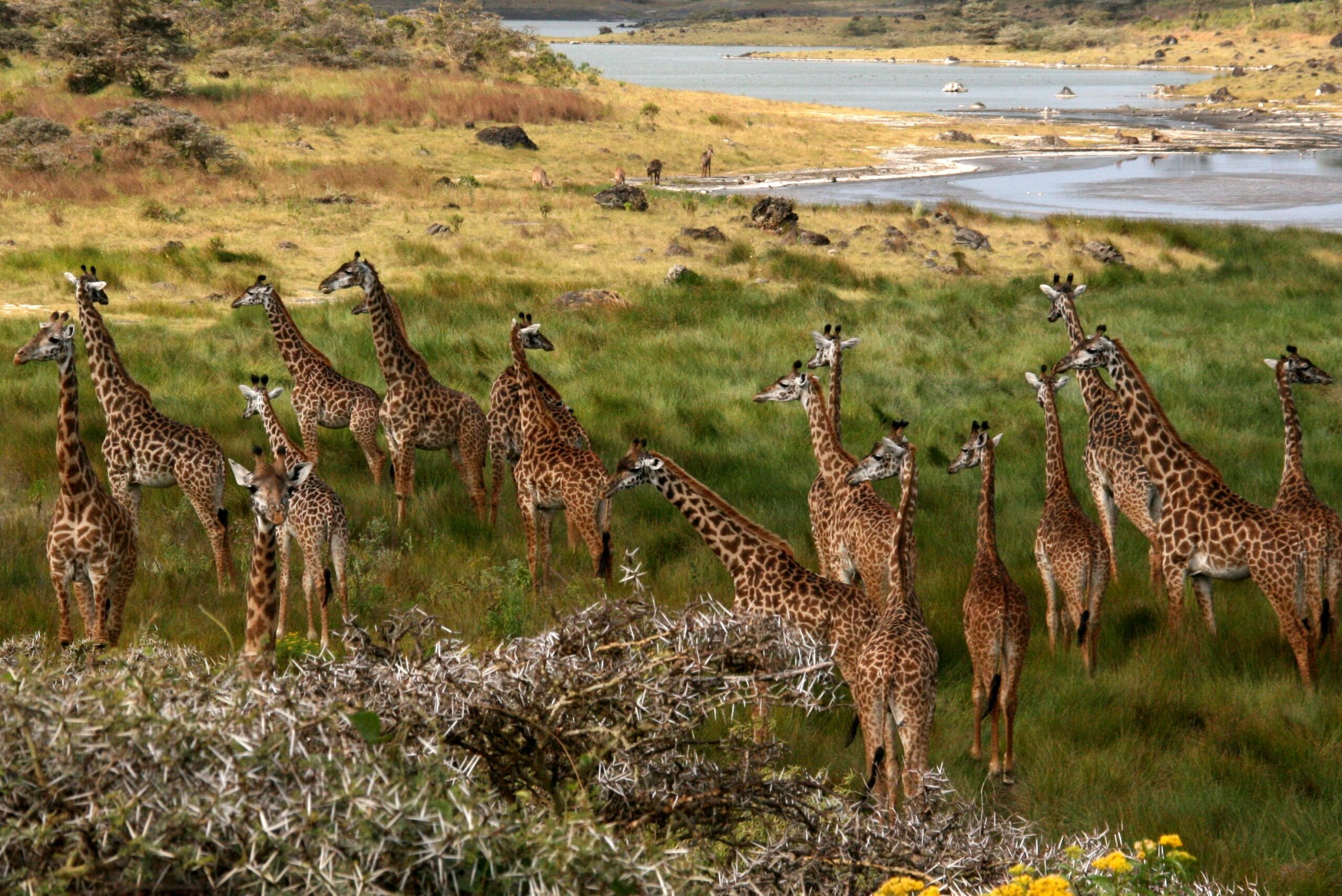
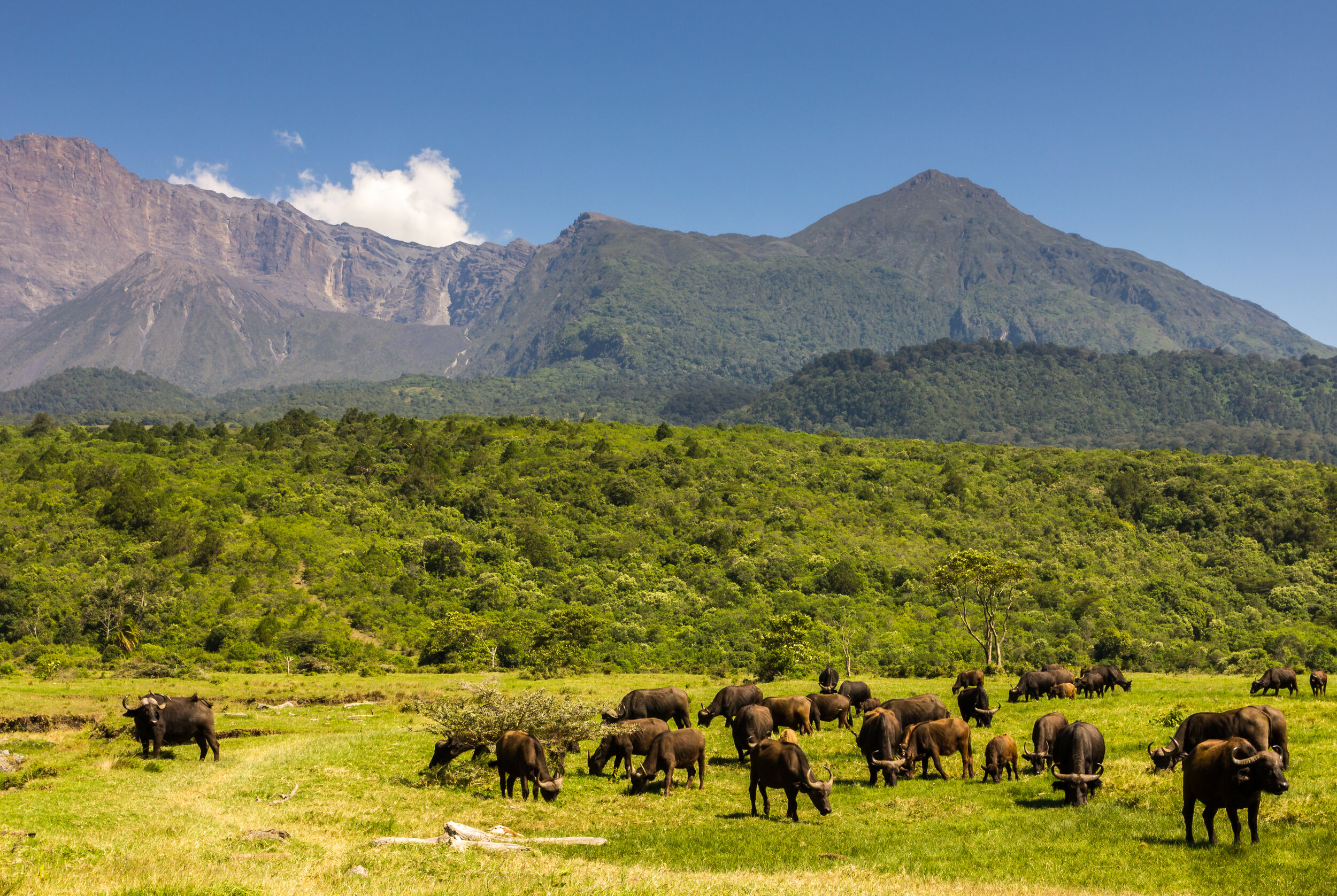
Arusha National Park offers a remarkable range of habitats within a relatively small area. Visitors are greeted by lush montane forests where black-and-white colobus monkeys leap gracefully between tree branches. Blue monkeys, bushbucks, and a variety of bird species thrive in these dense woodlands. Open grasslands within the park provide opportunities to encounter giraffes, zebras, buffaloes, and warthogs grazing against a backdrop of rolling hills. Unlike many other Tanzanian parks, Arusha National Park does not host large predators such as lions, which allows for safe walking safaris and relaxed wildlife viewing.
The Momella Lakes, a chain of shallow alkaline lakes inside the park, attract flamingos, pelicans, and numerous waterbirds. Seasonal color changes in these lakes create stunning photographic scenes, especially during sunrise and sunset. Meanwhile, the slopes of Mount Meru dominate the horizon, offering dramatic views and adventurous trekking opportunities.
 Things to Do in the Park
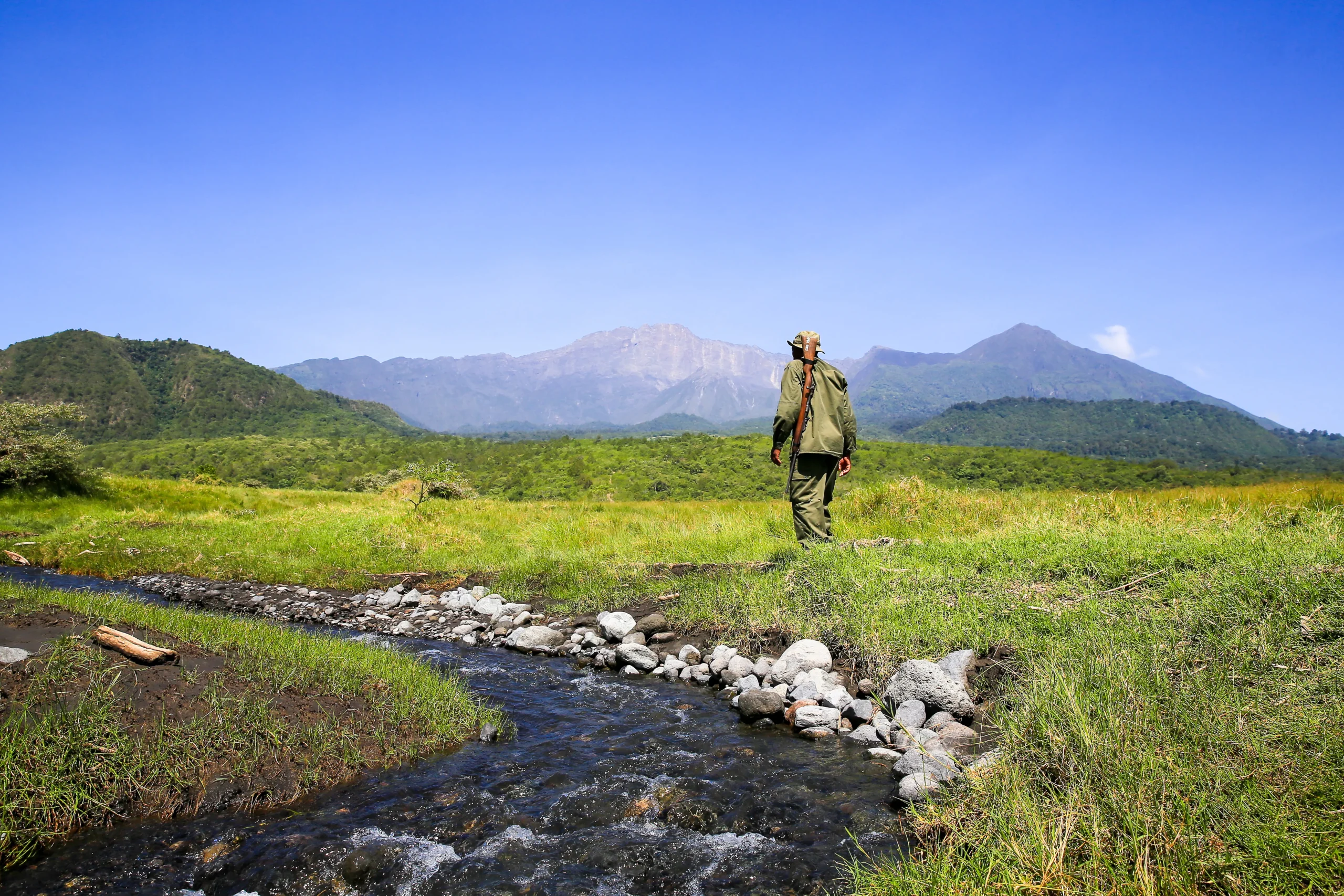
Game drives remain a popular activity in Arusha National Park, providing access to diverse landscapes within a short distance. Early morning drives increase the chances of spotting grazing wildlife and active primates. Walking safaris set this park apart from many others in Tanzania. Accompanied by an armed ranger, visitors can explore the wilderness on foot, learning about animal tracks, plant species, and ecosystem dynamics up close. This immersive experience fosters a deeper connection to nature. Canoeing safaris on the Momella Lakes offer a peaceful way to observe waterbirds and animals along the shoreline. For adventurous travelers, climbing Mount Meru presents a rewarding multi-day trek with spectacular summit views of Mount Kilimanjaro on clear mornings. Birdwatching enthusiasts will also find the park particularly appealing, as over 400 bird species have been recorded within its boundaries.
Best Time to Visit the Park
Arusha National Park can be visited throughout the year due to its stable wildlife presence and accessible location. The dry season, from June to October, is generally considered the best time for wildlife viewing. During this period, animals are easier to spot as vegetation becomes less dense. The wet season, from November to May, transforms the park into a vibrant green paradise. Birdlife flourishes during these months, and migratory species arrive, making it an excellent time for birdwatchers. Although rainfall may occur, the scenery becomes especially lush and photogenic.
What to Pack for the Park
Packing thoughtfully enhances comfort during your safari in Arusha National Park. Lightweight, breathable clothing is suitable for warm daytime temperatures, while a warm layer is recommended for cooler mornings, particularly at higher elevations near Mount Meru. Essential items include sunscreen, sunglasses, a wide-brimmed hat, insect repellent, binoculars, and a camera. A reusable water bottle helps maintain hydration, and a small backpack is convenient for carrying personal belongings during excursions.
What to Wear in the Park
Appropriate attire ensures both comfort and practicality in Arusha National Park. Neutral-colored clothing such as khaki, beige, or olive green is ideal for blending into the natural surroundings. Long-sleeved shirts and trousers provide protection from sun exposure and insects. Comfortable closed shoes are necessary for walking safaris and uneven terrain. A light rain jacket may be useful during the wet season, while a fleece or sweater is advisable for cooler evenings.
Arusha National Park
Why Choose a Safari within Arusha National Park?
Arusha National Park offers a unique combination of scenic beauty, diverse wildlife, and outdoor adventure within a compact and accessible setting. From the forested slopes of Mount Meru to the tranquil Momella Lakes and the wildlife-rich plains below, every experience within this park delivers memorable moments. At Tanzania Uganda Safaris, we design expertly guided safaris that showcase the natural wonders, conservation success, and tranquil charm of this exceptional Tanzanian destination.