
Akagera National Park
Akagera National Park is Rwanda’s only savannah park and a remarkable conservation success story in East Africa. Located in the eastern part of Rwanda along the border with Tanzania, the park covers approximately 1,120 square kilometers of diverse landscapes including rolling grasslands, acacia woodlands, papyrus swamps, and scenic lakes. Unlike the misty mountains of Volcanoes National Park, Akagera offers a classic African safari setting where visitors can enjoy traditional game drives and spot the Big Five. Through expertly organized Rwanda safaris, Tanzania Uganda Safaris invites travelers to explore this revitalized wilderness, where wildlife thrives once again under strong conservation leadership and community partnership.
The Origin of Akagera National Park
Akagera National Park was established in 1934 to protect the rich wildlife and ecosystems of northeastern Rwanda. Named after the Kagera River, which flows along its eastern boundary, the park originally covered a much larger area. However, following periods of civil unrest and human resettlement in the 1990s, wildlife populations declined significantly and parts of the park were reduced in size. In 2010, a transformative partnership between the Rwanda Development Board and African Parks began restoring Akagera’s ecological balance. Anti-poaching initiatives, law enforcement, and community engagement programs helped revive wildlife populations. Lions were reintroduced in 2015, followed by black rhinos in 2017, and white rhinos in 2021, successfully restoring the Big Five to Rwanda. Today, Akagera National Park stands as a powerful symbol of conservation recovery and sustainable tourism.
What to See in Akagera National Park
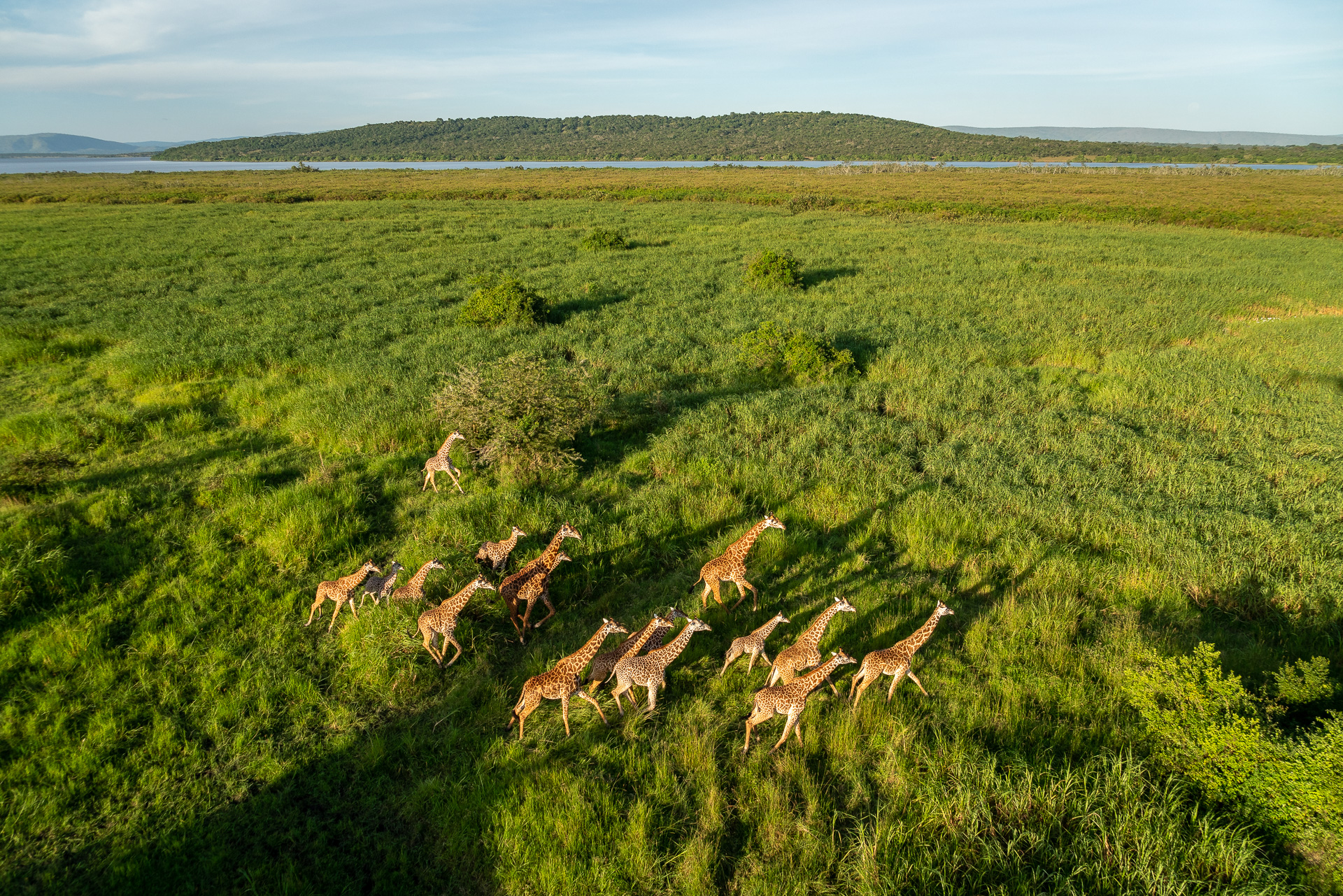
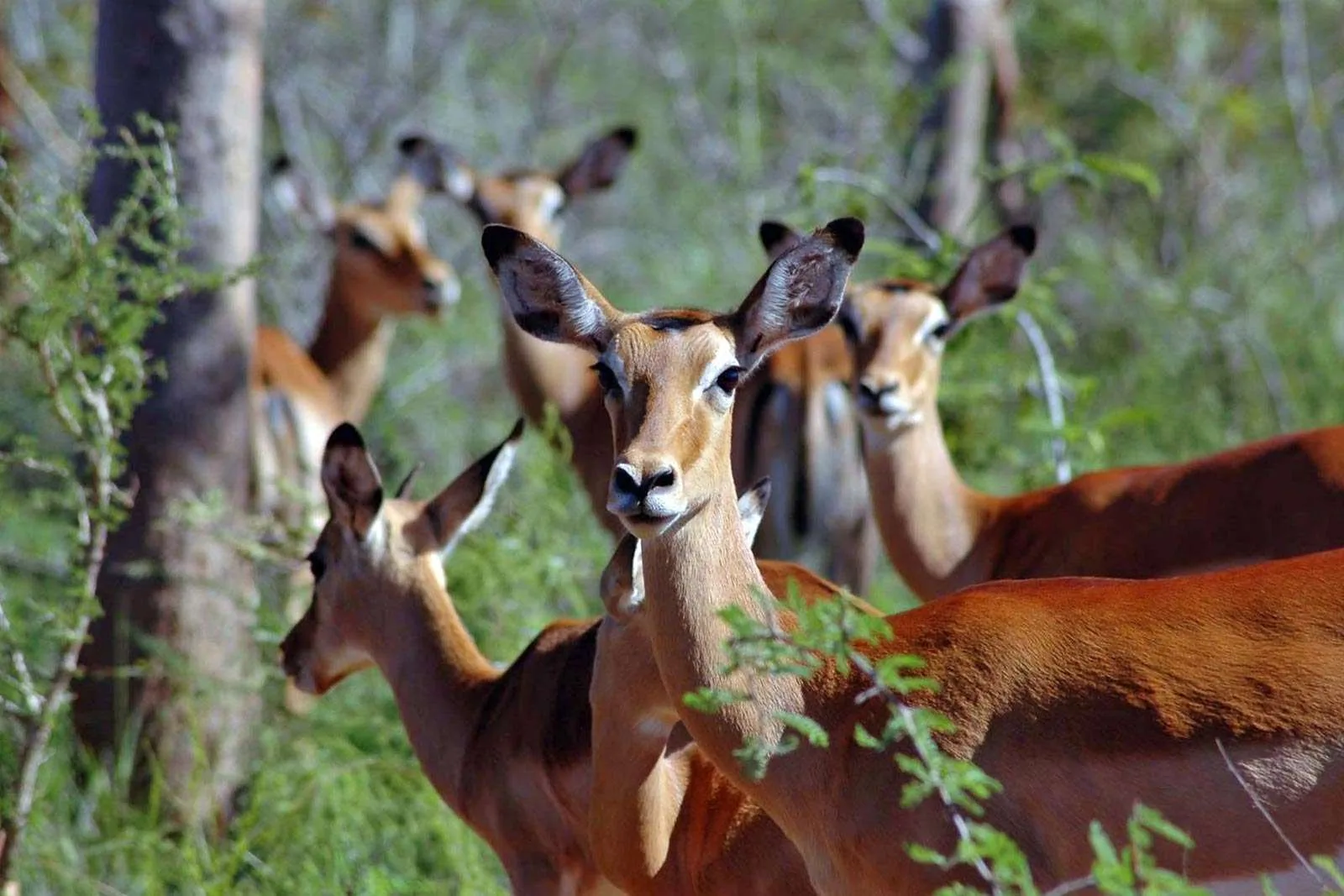
Akagera National Park offers exceptional wildlife viewing opportunities. Visitors can encounter the Big Five—lion, leopard, elephant, buffalo, and rhino—within its vast savannah plains. Large herds of elephants roam the woodlands, while buffalo gather near water sources. Lions patrol the open grasslands, and leopards move quietly through acacia trees. The park is also home to giraffes, zebras, impalas, topis, waterbucks, elands, and warthogs. Hippos and Nile crocodiles inhabit Lake Ihema and other water bodies within the park. Bird enthusiasts will appreciate over 500 recorded bird species, including the rare shoebill stork, making Akagera ideal for Rwanda birding safaris. The scenic beauty of Akagera enhances every wildlife encounter. Rolling hills, open plains, and sparkling lakes create a picturesque safari setting, perfect for photography and peaceful nature experiences.
Things to Do in Akagera National Park
Game drives are the most popular activity in Akagera National Park. Morning and afternoon drives provide excellent opportunities to spot predators and grazing animals in their natural habitats. Night game drives offer a unique chance to see nocturnal species such as hyenas, bush babies, and leopards.
Boat safaris on Lake Ihema provide a refreshing perspective of the park. During these cruises, visitors can observe hippos, crocodiles, and numerous water birds along the shoreline. Guided walking safaris allow guests to explore the park on foot with experienced rangers, learning about smaller wildlife, plants, and tracking techniques. Cultural visits to nearby communities offer insight into traditional Rwandan life, adding depth to Rwanda cultural safaris. For photographers and wildlife enthusiasts, Akagera provides diverse landscapes and rich biodiversity, making every activity rewarding and memorable.
 Best Time to Go to Akagera National Park
Akagera National Park can be visited year-round, but the best wildlife viewing occurs during the dry seasons from June to September and December to February. During these months, animals gather around water sources, and vegetation is less dense, making wildlife easier to spot.
The rainy seasons from March to May and October to November bring lush greenery and excellent birdwatching opportunities. Although some roads may become muddy, the park remains accessible and beautiful during these periods.
What to Pack for Akagera National Park
Packing appropriately ensures a comfortable safari experience. Lightweight clothing in neutral colors such as beige, khaki, and green is ideal for blending into the environment. Comfortable walking shoes or closed sandals are recommended for lodge areas and short nature walks. Essential items include sunscreen, sunglasses, a wide-brimmed hat, insect repellent, and a reusable water bottle. A good camera with extra batteries enhances wildlife photography opportunities. Binoculars are highly recommended for birdwatching and spotting distant animals. Travelers should also carry light rain gear, especially during the wet season, and any personal medications needed during their stay.
What to Wear in Akagera National Park
Dressing appropriately contributes to a safe and enjoyable safari. Neutral-colored clothing helps avoid attracting wildlife attention and keeps visitors cool under the African sun. Light, breathable fabrics are ideal for daytime temperatures, while a light jacket or sweater is useful for early morning and evening drives when temperatures can drop. Closed-toe shoes provide comfort during game drives and guided walks. Avoid bright colors and heavy perfumes, as they may disturb wildlife. Layered clothing allows flexibility as temperatures change throughout the day.
 Final Thoughts
Akagera National Park offers a classic African safari experience within Rwanda’s diverse landscape. From thrilling Big Five sightings and scenic boat cruises to birdwatching and cultural interactions, the park delivers a well-rounded wildlife adventure. Tanzania Uganda Safaris proudly organizes personalized and professionally guided Rwanda safaris to Akagera National Park. With a strong commitment to conservation, safety, and exceptional service, we ensure that every traveler experiences the beauty and wonder of Rwanda’s savannah wilderness in comfort and style. A journey to Akagera promises unforgettable memories and a deeper appreciation for Africa’s remarkable wildlife heritage.