
Nairobi National Park
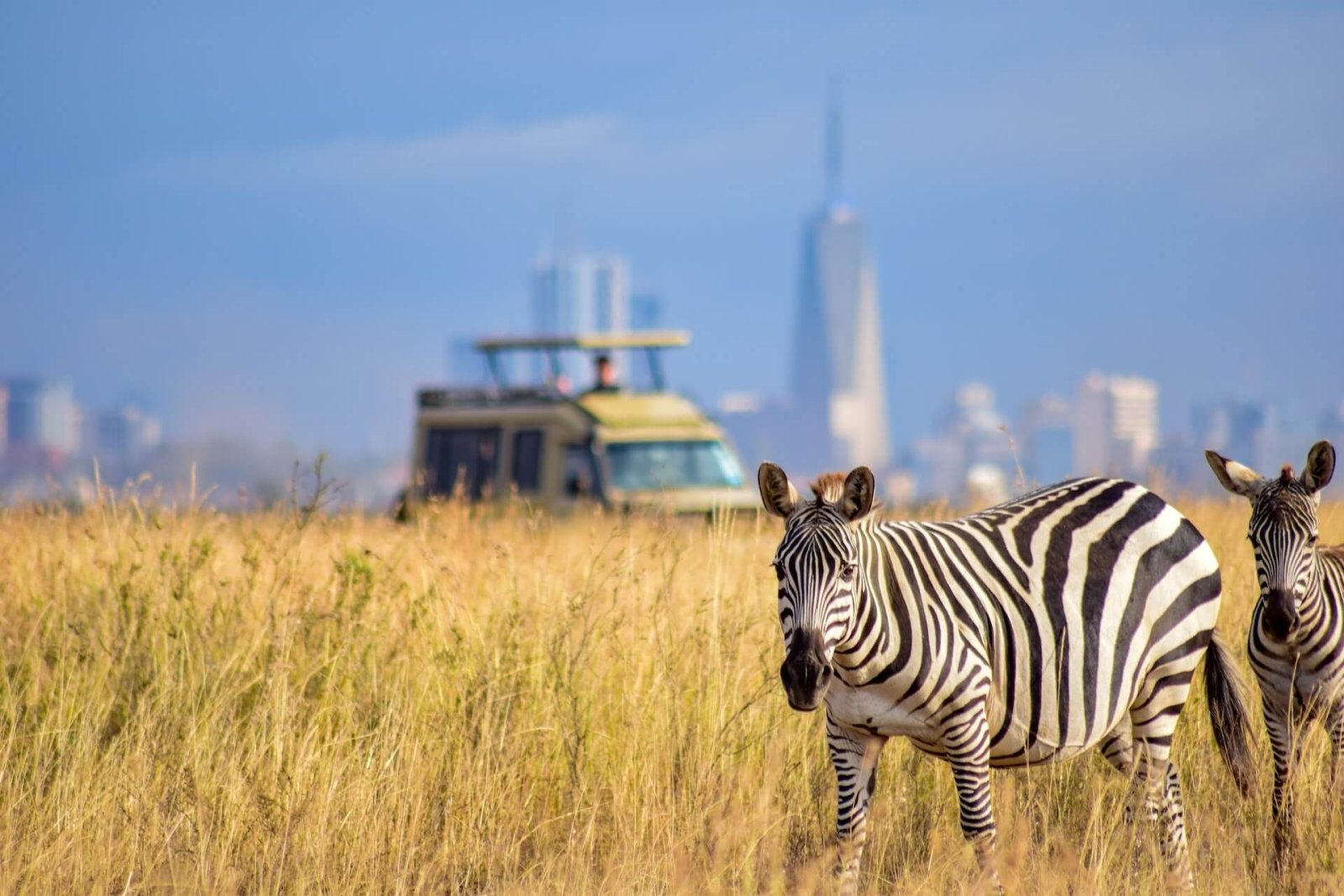
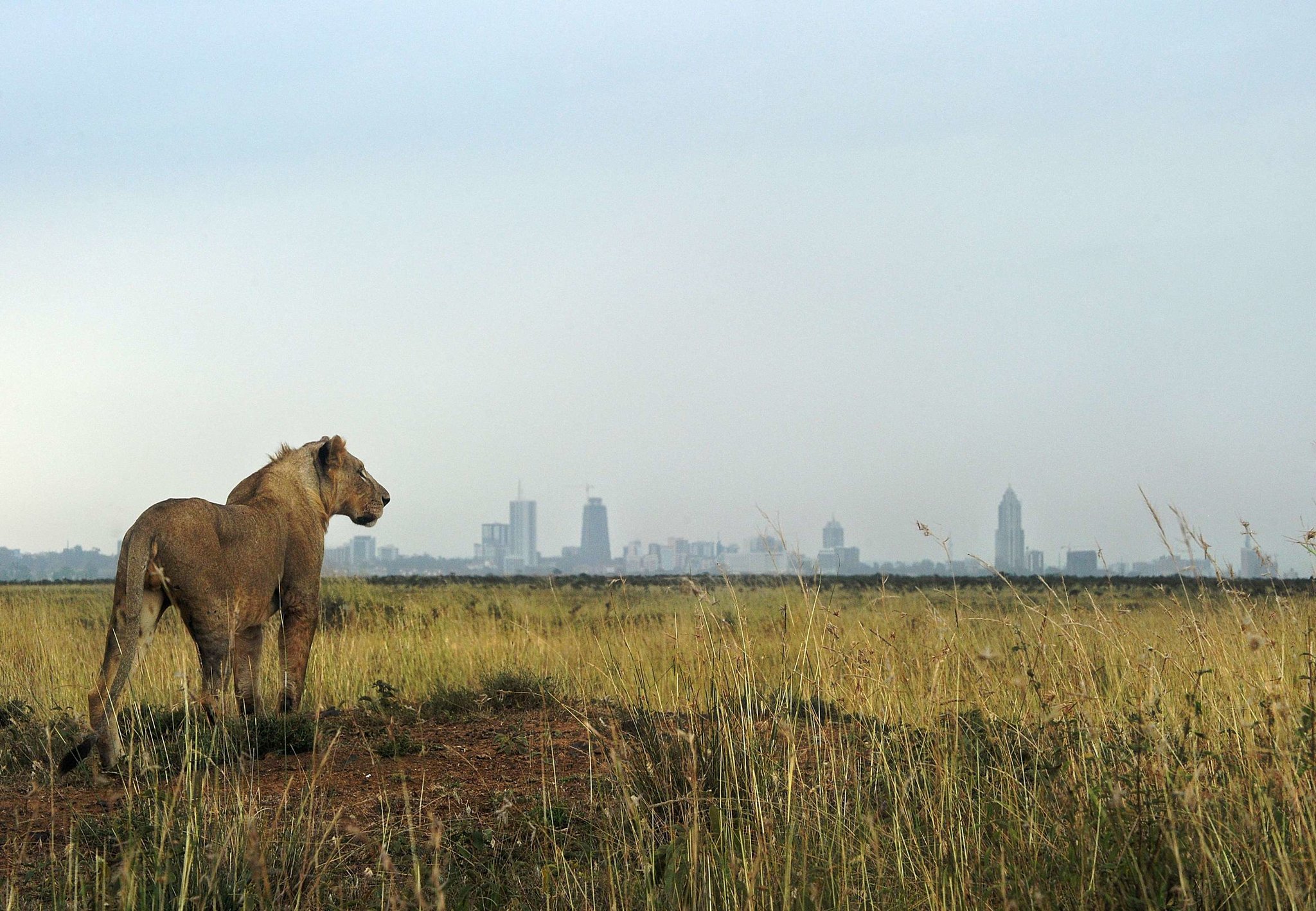
Nairobi National Park is one of Africa’s most extraordinary wildlife destinations, uniquely positioned just a few kilometers from Kenya’s capital city. Often described as the only national park in the world bordering a capital city, Nairobi National Park offers visitors the rare opportunity to witness wild animals roaming freely against the backdrop of a modern skyline. Established as Kenya’s first national park, this remarkable reserve covers approximately 117 square kilometers of open savannah, acacia woodlands, riverine forests, and wetlands. Through expertly organized Kenya Safaris and Kenya Wildlife Safaris, Tanzania Uganda Safaris invites travelers to experience this accessible yet thrilling safari destination where nature and urban life coexist harmoniously.
The Origin of Nairobi National Park
Nairobi National Park was officially established in 1946, making it Kenya’s oldest national park. Its creation was driven by conservationists who recognized the need to protect wildlife in the rapidly expanding region around Nairobi. At the time, wildlife roamed freely across vast plains, but urban development posed a growing threat to their survival. The establishment of the park marked a significant milestone in Kenya’s conservation history, setting a precedent for wildlife protection nationwide. Despite its proximity to the city, Nairobi National Park has remained a vital sanctuary for numerous species. The park plays an essential role in rhino conservation and serves as a breeding ground for endangered black rhinos. Today, it stands as a powerful symbol of Kenya’s commitment to balancing conservation with modernization.
What to See in Nairobi National Park
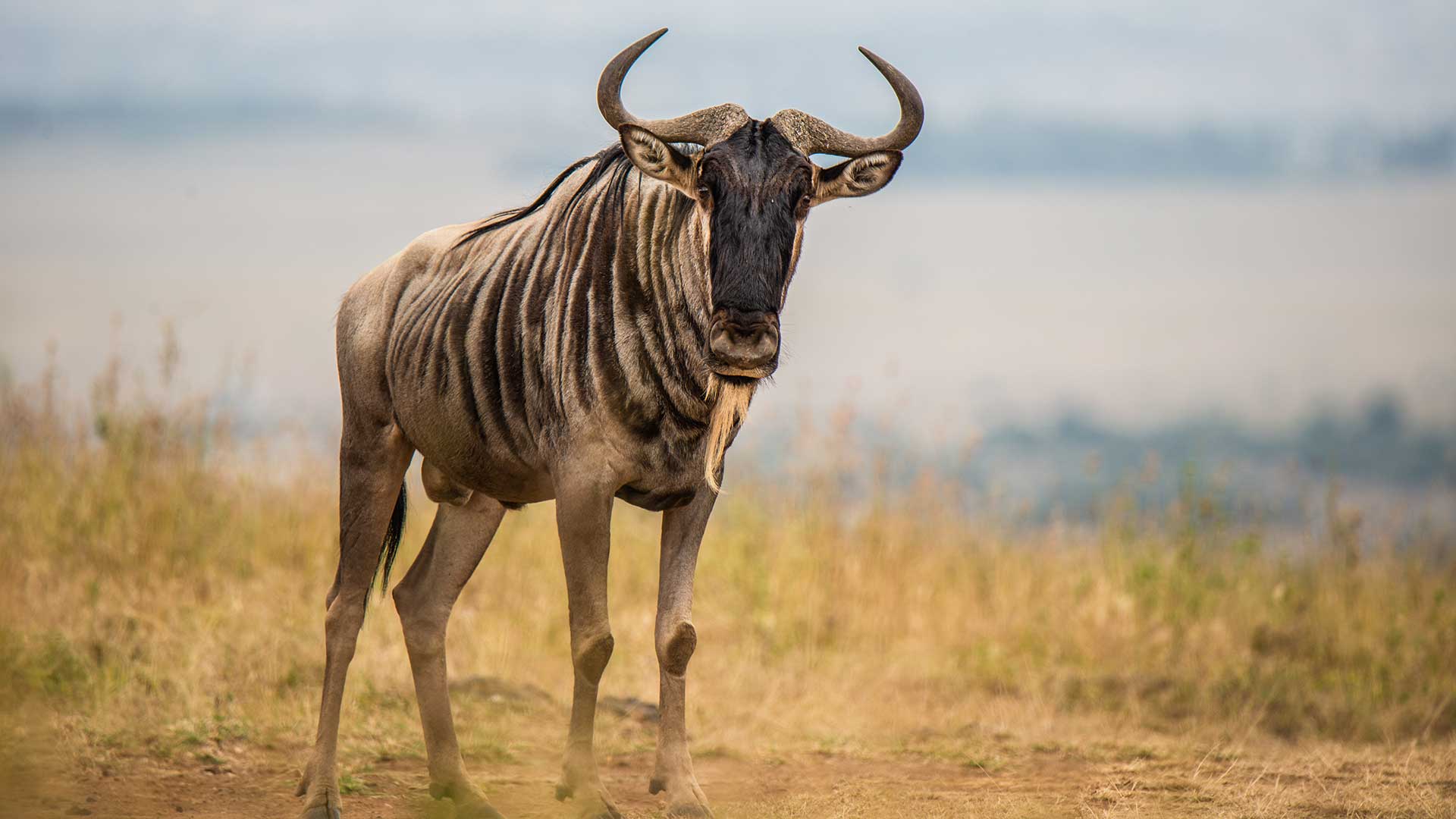
Nairobi National Park offers impressive wildlife diversity within a compact and easily accessible area. Visitors can expect to see lions, leopards, cheetahs, buffaloes, giraffes, zebras, and various antelope species roaming across the plains. The park is particularly famous for its thriving population of black rhinos, making it one of the best places in Kenya to spot these endangered animals. Bird enthusiasts will appreciate over 500 recorded bird species, including ostriches, secretary birds, crowned cranes, herons, and migratory species. The park’s wetlands and dams attract waterbirds, enhancing its appeal for Kenya Birding Safaris. Scenic viewpoints provide stunning contrasts between wildlife-filled grasslands and Nairobi’s skyline. The Ivory Burning Site Monument, a historic landmark within the park, commemorates Kenya’s stand against poaching and illegal ivory trade.
Things to Do in Nairobi National Park
Game drives are the main highlight of any visit to Nairobi National Park. Early morning and late afternoon safaris offer the best opportunities to observe predators and grazing animals when they are most active. Tanzania Uganda Safaris provides knowledgeable guides who ensure visitors gain meaningful insights into animal behavior and conservation efforts. Photography safaris are highly rewarding due to the dramatic combination of wildlife and urban scenery. Birdwatching excursions provide excellent opportunities to observe diverse avian species in wetlands and savannah areas. Visitors can also combine their safari with nearby attractions such as the David Sheldrick Wildlife Trust (Elephant Orphanage) and the Giraffe Centre, enriching their experience with conservation education and close animal encounters. Cultural tours in Nairobi city allow travelers to explore local markets, museums, and traditional cuisine, adding depth to the safari adventure.
Best Time to Go to Nairobi National Park
Nairobi National Park can be visited year-round due to its favorable climate. However, the best wildlife viewing occurs during the dry seasons from June to October and January to February, when animals gather around water sources and vegetation is less dense. The rainy seasons from March to May and November to December bring lush greenery and vibrant landscapes. While occasional showers may occur, this period offers excellent birdwatching opportunities and fewer crowds.
What to Pack for Nairobi National Park
Packing appropriately ensures comfort during your safari. Neutral-colored clothing such as khaki, olive, or beige is recommended for blending into the natural surroundings. Essential items include sunscreen, sunglasses, insect repellent, and a wide-brimmed hat for protection against the sun. Binoculars are helpful for spotting distant wildlife and birds, while a camera with extra batteries captures memorable moments. A small daypack is useful for carrying personal belongings during game drives. Staying hydrated is important, so carrying a reusable water bottle is highly recommended.
What to Wear in Nairobi National Park
Comfortable, breathable clothing is ideal for exploring Nairobi National Park. Long-sleeved shirts and trousers protect against sun exposure and insects. Layered clothing is advisable, as mornings can be cool while afternoons become warm. Sturdy, closed-toe shoes are suitable for walking around picnic sites or viewpoints. Neutral earth tones are preferred to avoid disturbing wildlife. A lightweight jacket may be necessary for early morning game drives, and sunglasses provide added sun protection.
 In Conclusion
Nairobi National Park offers a rare and unforgettable safari experience where wildlife thrives within sight of a bustling city. From spotting black rhinos and lions to enjoying scenic game drives against Nairobi’s skyline, the park provides a perfect introduction to Kenya Safaris and Kenya Wildlife Safaris. Tanzania Uganda Safaris proudly delivers expertly guided tours that combine wildlife encounters, conservation awareness, and cultural exploration. Whether you are a first-time visitor or a seasoned safari enthusiast, Nairobi National Park promises an exciting and accessible adventure that showcases Kenya’s natural beauty and conservation success.