
Hell’s Gate National Park
Hell’s Gate National Park is one of Kenya’s most unique and adventurous safari destinations, offering dramatic landscapes, outdoor activities, and close wildlife encounters unlike any other park in the country. Located near Lake Naivasha in the Great Rift Valley, approximately 90 kilometers northwest of Nairobi, Hell’s Gate covers about 68 square kilometers of towering cliffs, volcanic formations, gorges, and open grasslands. Unlike many other protected areas, this park allows visitors to explore on foot and by bicycle, creating a rare opportunity for immersive adventure. Through expertly guided Kenya Safaris and Kenya Wildlife Safaris, Tanzania Uganda Safaris invites travelers to discover the striking beauty and thrilling experiences that define Hell’s Gate National Park.

The Origin of Hell’s Gate National Park
Hell’s Gate National Park was established in 1984 to protect its unique geological features, wildlife habitats, and scenic landscapes. The park takes its name from a narrow break in the cliffs, which early explorers described as resembling a gateway to the underworld due to its dramatic appearance. Historically, the area was home to Maasai pastoral communities who grazed livestock in the surrounding lands. The park’s volcanic origins are evident in its lava flows, hot springs, and geothermal activity. In fact, Hell’s Gate is one of Kenya’s few parks with an operational geothermal power station, demonstrating a blend of conservation and sustainable energy development. Today, the park stands as a symbol of Kenya’s commitment to protecting natural wonders while promoting eco-tourism and responsible adventure travel.
What to See in Hell’s Gate National Park
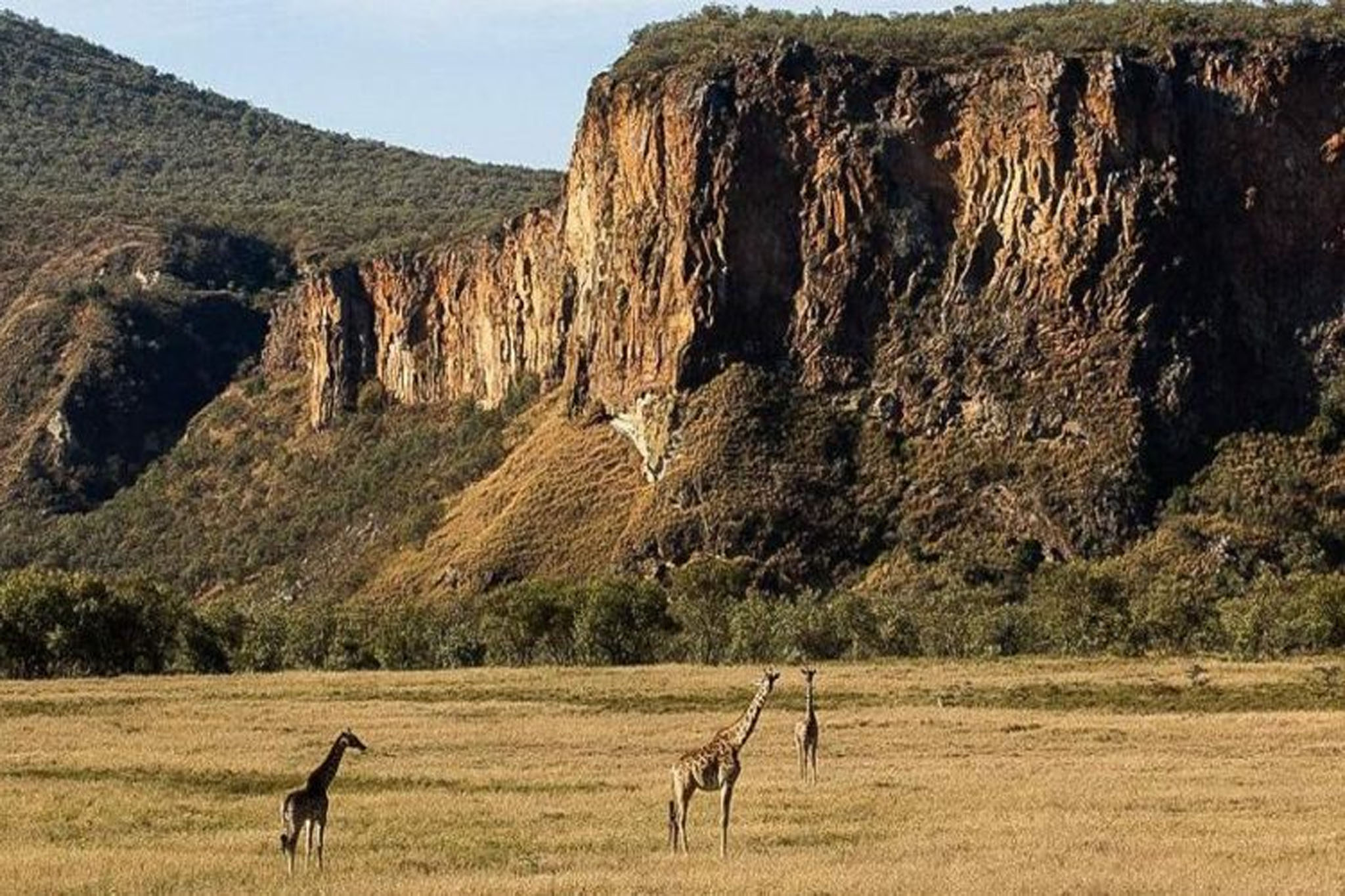
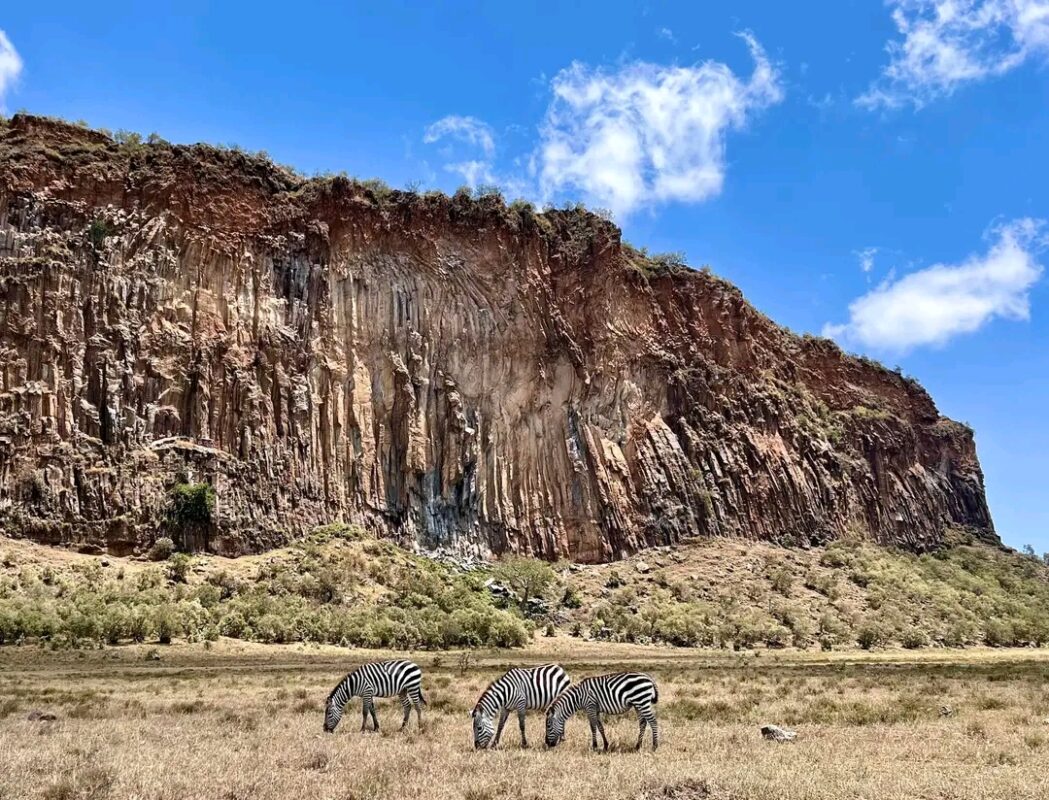
Hell’s Gate National Park is renowned for its breathtaking scenery. Visitors can marvel at towering rock formations such as Fischer’s Tower and Central Tower, which rise dramatically from the valley floor. The Ol Njorowa Gorge is another highlight, featuring narrow canyons carved by water over centuries, offering stunning views and thrilling hiking experiences.
Wildlife sightings include zebras, giraffes, buffaloes, elands, gazelles, and baboons roaming freely across the open plains. Although large predators are rare, the park’s unique feature is the ability to observe wildlife at close range while cycling or walking. Bird enthusiasts will appreciate over 100 recorded species, including vultures, Verreaux’s eagles, augur buzzards, and swifts that nest along the cliffs, making it suitable for Kenya Birding Safaris.
Things to Do in Hell’s Gate National Park
Hell’s Gate National Park offers activities that set it apart from traditional safari destinations. Cycling safaris are a major attraction, allowing visitors to ride alongside zebras and giraffes while enjoying panoramic views of the Rift Valley. Guided hikes through Ol Njorowa Gorge provide adventure seekers with opportunities to explore narrow canyons, rocky passages, and geothermal features. Rock climbing at Fischer’s Tower challenges thrill-seekers, while nature walks offer educational insights into the park’s geology, plants, and wildlife. Photography enthusiasts will find dramatic landscapes and unique rock formations ideal for capturing memorable images. Cultural visits to nearby Maasai communities can also be arranged, offering insights into traditional customs, dances, and beadwork.
 Best Time to Go to Hell’s Gate National Park
Hell’s Gate National Park can be visited throughout the year due to its moderate climate. However, the best time to explore the park is during the dry seasons from June to October and January to February, when trails are easier to navigate and wildlife viewing is more predictable. The rainy seasons from March to May and November to December bring lush greenery and beautiful scenery, though some hiking paths may become slippery. Visitors who enjoy vibrant landscapes and fewer crowds may find the wet season equally rewarding with proper guidance and preparation.
What to Pack for Hell’s Gate National Park
Packing for Hell’s Gate requires consideration of its adventurous nature. Lightweight, breathable clothing is ideal for cycling and hiking. Essential items include sunscreen, sunglasses, a wide-brimmed hat, insect repellent, and a reusable water bottle to stay hydrated. Comfortable hiking shoes are crucial for exploring rocky terrain and gorges. A small backpack is useful for carrying snacks, water, and personal items during excursions. Binoculars enhance birdwatching experiences, while a camera ensures unforgettable memories are captured. Additionally, carrying personal medications and a basic first-aid kit is advisable.
What to Wear in Hell’s Gate National Park
Practical and comfortable attire is essential for enjoying the park’s outdoor activities. Breathable fabrics and moisture-wicking clothing are recommended for cycling and hiking. Neutral earth tones such as khaki, brown, and green are ideal for blending into the environment. Sturdy hiking boots or athletic shoes provide stability on uneven terrain. A light jacket may be necessary during cooler mornings, and protective gear such as helmets is required for cycling activities. Sunglasses and hats offer protection from the sun, ensuring comfort throughout the day.
Hell’s Gate National Park
Final Thoughts
Hell’s Gate National Park offers a refreshing alternative to traditional safari experiences, combining dramatic scenery with active exploration. From cycling alongside wildlife and hiking through volcanic gorges to admiring towering rock formations and geothermal features, the park delivers adventure and beauty in equal measure. Tanzania Uganda Safaris proudly provides expertly guided tours that ensure safety, comfort, and unforgettable experiences in Hell’s Gate National Park. Whether seeking adventure, photography, wildlife encounters, or cultural insights, visitors will find this remarkable destination to be one of Kenya’s most exciting and distinctive safari locations.