
Samburu National Reserve
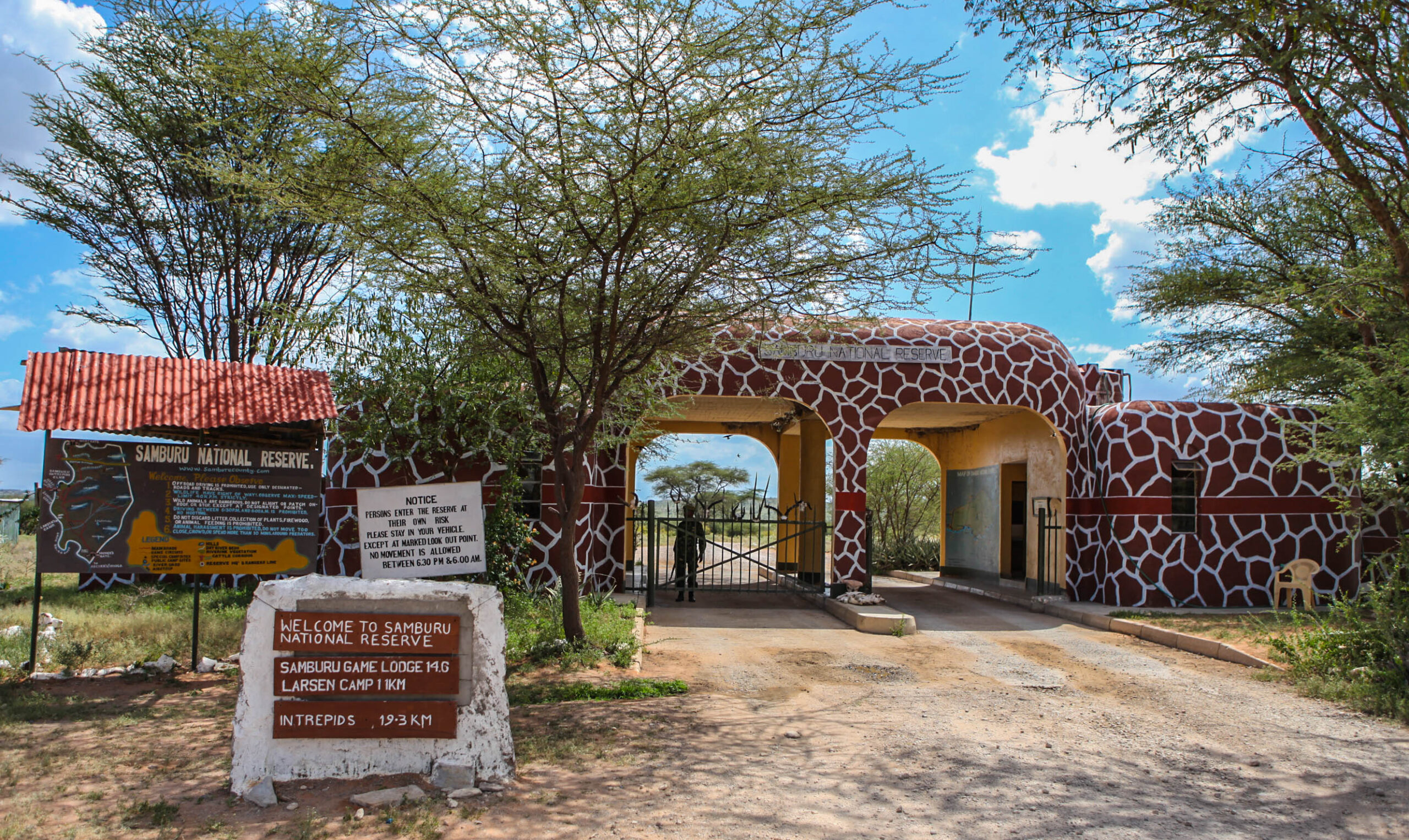
Samburu National Reserve is one of Kenya’s most distinctive safari destinations, offering a rare combination of arid landscapes, unique wildlife, and rich cultural experiences. Located in northern Kenya along the banks of the Ewaso Ng’iro River, Samburu spans approximately 165 square kilometers of semi-arid savannah, acacia woodlands, and riverine habitats. Renowned for Kenya Safaris, Kenya Wildlife Safaris, and Kenya Birding Safaris, Samburu provides travelers with unforgettable encounters with rare and endemic species, breathtaking scenery, and immersive cultural experiences with the local Samburu people. Tanzania Uganda Safaris specializes in expertly guided tours that allow visitors to explore the park safely, comfortably, and responsibly while maximizing wildlife sightings and adventure.
The Origin of Samburu National Reserve
Samburu National Reserve was officially established in 1965 to protect the region’s unique wildlife populations and delicate ecosystems. Situated in a semi-arid region of northern Kenya, the reserve was created in response to increasing human-wildlife conflicts and the need to conserve species adapted to arid environments. Today, the reserve plays a critical role in preserving rare species such as the Grevy’s zebra, reticulated giraffe, Somali ostrich, and gerenuk, collectively known as the Samburu Special Five. Over the years, conservation efforts have expanded to include the protection of the Ewaso Ng’iro River and its surrounding riparian forests, which provide vital water and shelter for wildlife in this otherwise dry region.
What to See in Samburu National Reserve
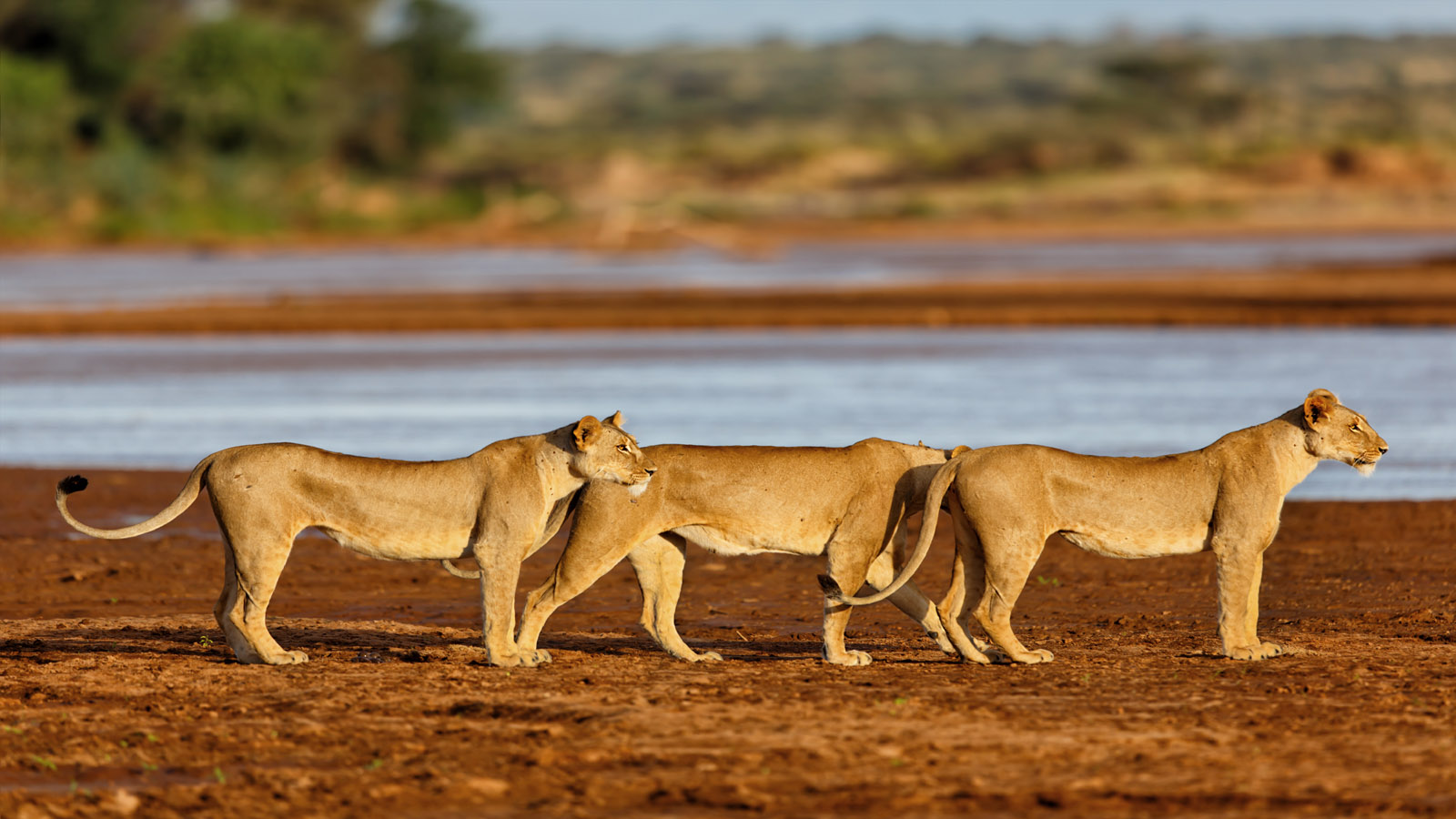
Samburu National Reserve is world-famous for its unique wildlife, particularly species not commonly found in Kenya’s southern parks. The Samburu Special Five—Grevy’s zebra, reticulated giraffe, Somali ostrich, gerenuk, and Beisa oryx—attract wildlife enthusiasts seeking rare encounters. Predators such as lions, leopards, cheetahs, and hyenas are also abundant, offering thrilling safari experiences for visitors.
Birdwatchers will find Samburu exceptional, with over 450 bird species recorded in the reserve. Iconic birds include the northern carmine bee-eater, African skimmer, Egyptian vulture, and various waterfowl along the riverbanks. Visitors may also spot elephants, buffaloes, warthogs, and a variety of antelopes roaming the open plains and riverine forests. The reserve’s dramatic landscapes, featuring the red-dusted savannah, rocky outcrops, and the meandering Ewaso Ng’iro River, provide spectacular backdrops for photography and immersive nature experiences.
Things to Do in Samburu National Reserve
Game drives are the primary activity in Samburu National Reserve, allowing visitors to explore the park’s diverse habitats and view wildlife up close. Morning and late afternoon drives offer the best opportunities for observing animals when they are most active. Tanzania Uganda Safaris provides knowledgeable guides who interpret wildlife behavior, track elusive predators, and ensure safe and informative safari experiences. Kenya Birding Safaris in Samburu are highly rewarding, as the reserve hosts both resident and migratory species. Photographers will enjoy capturing unique species, dramatic landscapes, and the iconic Samburu wildlife against stunning light conditions during early mornings and late evenings.
Cultural experiences with the local Samburu communities add another dimension to the safari. Visitors can witness traditional dances, learn about pastoralist lifestyles, and understand how local people coexist with wildlife in this semi-arid environment. Guided bush walks along the river offer a closer look at smaller wildlife, tracks, and plant species that are often overlooked on vehicle-based safaris.
 Best Time to Go to Samburu National Reserve
The optimal time for visiting Samburu National Reserve is during the dry seasons from June to October and January to February, when wildlife concentrates around water sources, providing predictable sightings and excellent photographic opportunities. The dry seasons also allow for comfortable game drives on accessible roads. The wet seasons, from March to May and November to December, bring occasional rains that transform the reserve into a lush landscape. Though some roads may become muddy, this is an ideal time for birdwatching and observing newborn wildlife. Guided tours ensure accessibility and safety during the rainy season, allowing visitors to enjoy the park’s vibrant scenery and thriving ecosystems.
What to Pack for Samburu National Reserve
Packing for Samburu National Reserve requires a balance of comfort, practicality, and preparedness. Neutral-colored clothing in khaki, olive, or beige is recommended to blend into the environment and avoid disturbing wildlife. Essential items include a wide-brimmed hat, sunscreen, insect repellent, sunglasses, and a reusable water bottle. Binoculars are essential for wildlife and birdwatching, while a high-quality camera with extra batteries and memory cards ensures unforgettable photographic memories. A small daypack is convenient for carrying personal items during game drives and bush walks. Additional necessities such as a flashlight, first-aid kit, and personal medications enhance preparedness and safety during the safari.
What to Wear in Samburu National Reserve
Practical and comfortable clothing is essential for an enjoyable safari experience. Long-sleeved shirts and trousers protect against sun exposure, dust, and insect bites. Layered clothing is advisable for fluctuating temperatures between early mornings, hot afternoons, and cooler evenings. Sturdy closed-toe shoes or safari boots are recommended for bush walks and uneven terrain. Neutral earth tones such as brown, green, and khaki help travelers blend with the natural environment. Hats or caps provide sun protection, while lightweight jackets or fleece ensure warmth during early morning game drives.
 Final Reflection
Samburu National Reserve offers a truly unique safari experience, combining rare wildlife sightings, vibrant birdlife, dramatic landscapes, and immersive cultural interactions. Visitors can enjoy Kenya Safaris, Kenya Wildlife Safaris, and Kenya Birding Safaris, exploring the park’s open plains, riverine forests, and red-dusted savannahs. From the iconic Samburu Special Five to predators, elephants, and migratory birds, the reserve provides an unforgettable African adventure. Tanzania Uganda Safaris delivers expertly guided tours that maximize wildlife encounters, enhance cultural understanding, and ensure comfort and safety. Every safari to Samburu National Reserve promises unforgettable memories, thrilling wildlife sightings, and an in-depth appreciation of Kenya’s remarkable natural heritage.