
Amboseli National Park
Amboseli National Park is one of Kenya’s most iconic safari destinations, celebrated for its vast elephant herds and breathtaking views of Mount Kilimanjaro rising dramatically across the border in Tanzania. Located in southern Kenya near the Tanzanian frontier, the park covers approximately 392 square kilometers of diverse habitats that range from open savannah plains and seasonal wetlands to acacia woodlands and alkaline lakes. At Tanzania Uganda Safaris, we proudly introduce Amboseli National Park as a destination where unforgettable wildlife encounters unfold beneath Africa’s tallest mountain, creating postcard-perfect safari memories.
Amboseli National Park
The Origin and History of Amboseli National Park
Amboseli National Park has a rich conservation history that reflects Kenya’s commitment to protecting its natural heritage. Originally declared a Southern Reserve for the Maasai community in 1906, the area later gained recognition for its ecological importance and was gazetted as a national park in 1974. The name “Amboseli” originates from a Maasai word meaning “salty dust,” a reference to the park’s dry lake beds that often appear as white, dusty expanses during the dry season.
The park’s wetlands are fed by underground rivers flowing from the melting snowcaps of Mount Kilimanjaro. These permanent water sources sustain wildlife throughout the year, making Amboseli National Park a vital refuge in times of drought. Over the decades, conservation programs—particularly those focused on elephant research—have made the park globally renowned for its scientific contributions to wildlife management.
What to See in Amboseli National Park
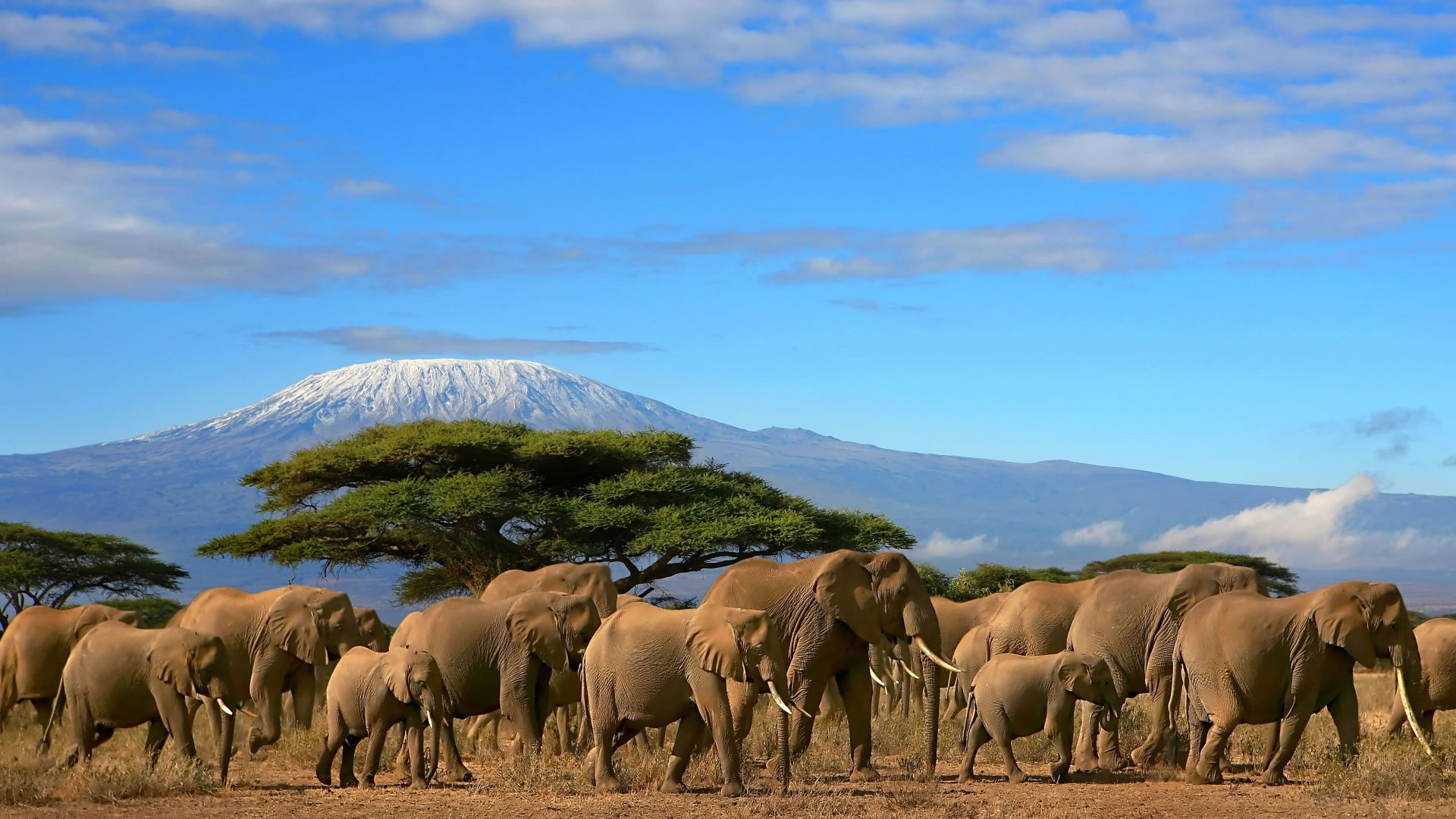
Amboseli National Park is famously known as the “Land of Giants” due to its impressive population of African elephants. Large herds roam freely across the plains, often framed by the snow-capped peak of Mount Kilimanjaro in the background. These iconic scenes have made the park one of the most photographed locations in Africa.
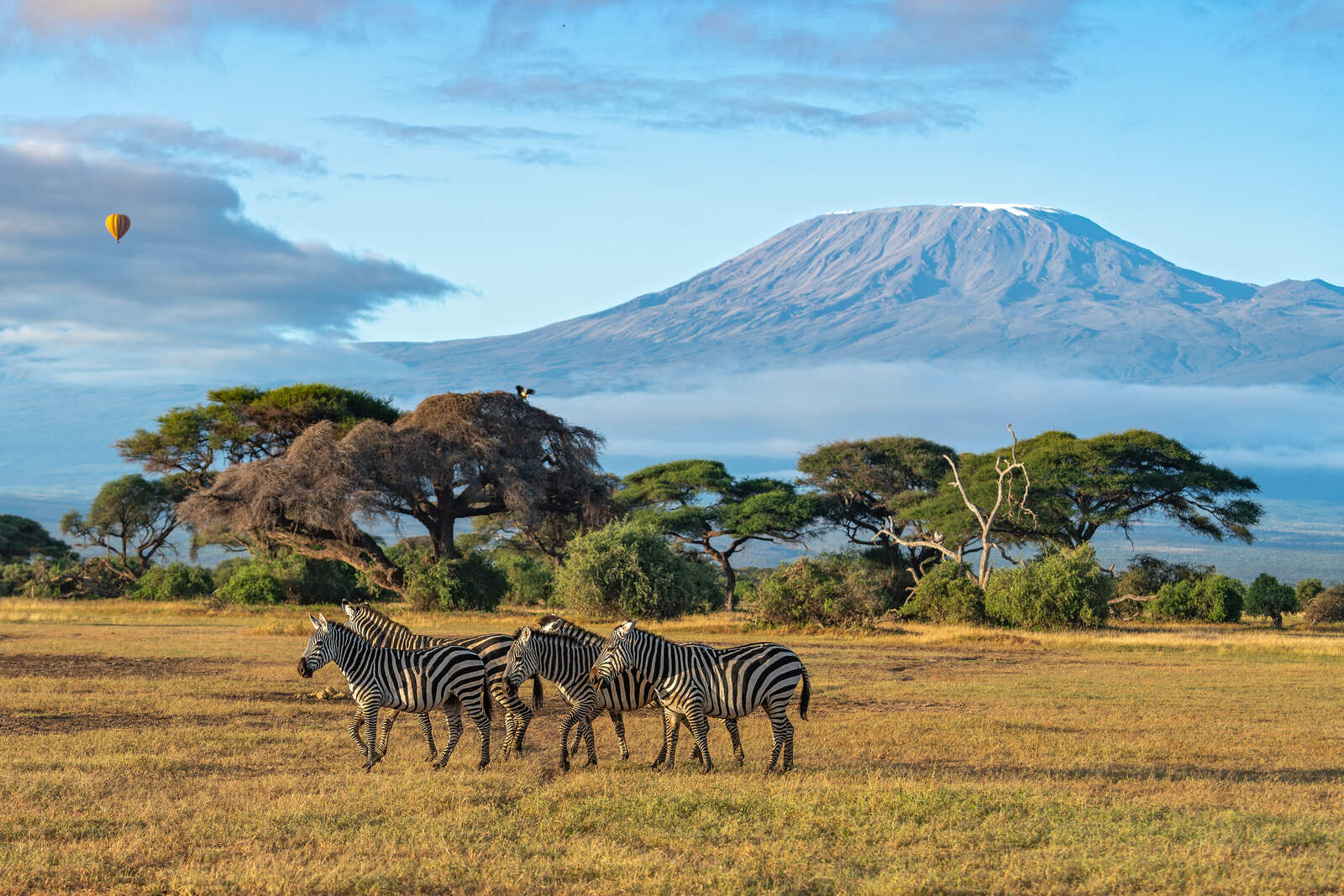
In addition to elephants, visitors can encounter lions, cheetahs, hyenas, buffaloes, giraffes, zebras, wildebeests, and various antelope species. Although rhinos are rare, the diversity of other wildlife ensures rewarding game viewing experiences. Birdlife is equally abundant, with more than 400 recorded species, including pelicans, kingfishers, crowned cranes, and flamingos that gather around seasonal lakes and swamps. Observation Hill provides panoramic views of Amboseli National Park’s unique landscape, offering a perfect vantage point to appreciate the wetlands, open plains, and distant mountain scenery.
Things to Do in Amboseli National Park
Game drives are the primary activity in Amboseli National Park, offering close encounters with wildlife in their natural habitat. Early morning and late afternoon safaris provide optimal viewing opportunities when animals are most active and lighting conditions are ideal for photography. Expert guides from Tanzania Uganda Safaris enhance each drive with in-depth knowledge of animal behavior and ecosystem dynamics.
Birdwatching excursions are highly rewarding, especially around the marshes where aquatic species thrive. Photography tours allow guests to capture dramatic silhouettes of elephants against Mount Kilimanjaro’s towering presence.
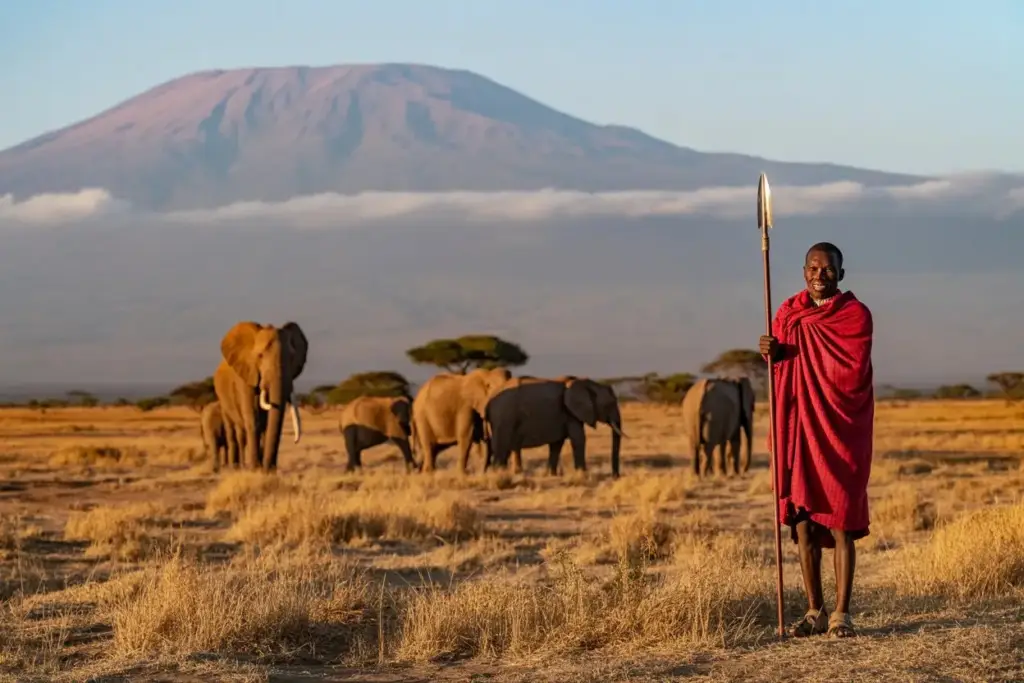
Cultural visits to nearby Maasai villages add meaningful depth to a safari experience. Travelers gain insight into traditional Maasai customs, pastoral lifestyles, and vibrant ceremonies that have shaped the region’s identity for generations.
Best Time to Visit Amboseli National Park
Amboseli National Park can be visited year-round, but the best wildlife viewing typically occurs during the dry seasons from June to October and January to February. During these months, animals gather around permanent water sources, making sightings more predictable. Clear skies also increase the likelihood of seeing Mount Kilimanjaro unobstructed by clouds. The wet seasons, from March to May and November to December, transform the park into a lush green landscape. Although some roads may become muddy, this period offers excellent birdwatching opportunities and fewer tourist crowds.
What to Pack for Amboseli National Park
Packing thoughtfully ensures a comfortable safari experience. Lightweight, breathable clothing in neutral tones such as khaki, beige, and olive is recommended. Essential items include sunscreen, sunglasses, a wide-brimmed hat, and insect repellent. Binoculars enhance wildlife viewing, especially for distant predators or bird species. A quality camera with spare batteries and memory cards helps capture unforgettable scenes. Carrying a reusable water bottle and small daypack adds convenience during game drives.
What to Wear in Amboseli National Park
Appropriate attire enhances both comfort and practicality. Long-sleeved shirts and trousers protect against sun exposure and insects. Early mornings can be cool, so a light jacket or fleece is advisable for dawn game drives. Comfortable closed shoes or safari boots are suitable for walking around lodges or participating in guided bush walks. Avoid bright colors that may disturb wildlife, and instead choose earth-toned clothing that blends seamlessly with the environment. Layering is recommended to adapt to changing temperatures throughout the day.
In Conclusion:
Amboseli National Park offers a safari experience defined by majestic elephants, sweeping landscapes, and the awe-inspiring presence of Mount Kilimanjaro. From its rich conservation history and diverse wildlife to meaningful cultural encounters with the Maasai people, every aspect of the park reflects Kenya’s natural beauty and heritage. At Tanzania Uganda Safaris, we design expertly guided safaris that combine adventure, comfort, and responsible tourism, ensuring your journey to Amboseli National Park becomes a remarkable chapter in your African travel story.