
Masai Mara National Reserve
Masai Mara National Reserve stands among the most celebrated wildlife destinations on Earth, representing the very essence of the African safari. Located in southwestern Kenya along the border with Tanzania, this world-renowned reserve forms the northern extension of the greater Serengeti ecosystem. Vast golden savannahs, scattered acacia trees, winding rivers, and dramatic horizons define the landscape of Masai Mara National Reserve. At Tanzania Uganda Safaris, we present this iconic destination as a place where nature unfolds in its purest form, delivering unforgettable encounters with Africa’s most magnificent wildlife.
Established in 1961 as a wildlife sanctuary and later upgraded to national reserve status, Masai Mara National Reserve was created to protect its extraordinary biodiversity and safeguard migratory routes. The reserve takes its name from the Maasai people, the semi-nomadic pastoralist community that has lived harmoniously alongside wildlife for centuries. “Mara” means “spotted” in the Maa language, describing the scattered trees and bush formations that dot the rolling plains. Today, Masai Mara National Reserve remains a symbol of Kenya’s conservation success and a cornerstone of East African tourism.
The Origin and Conservation Legacy of Masai Mara National Reserve
Masai Mara National Reserve originated from a vision to conserve Kenya’s rich wildlife heritage while preserving the cultural traditions of the Maasai community. Early conservation efforts were driven by the need to protect migratory wildlife, particularly large herbivores that move seasonally across the Serengeti-Mara ecosystem. Over time, the reserve expanded to cover approximately 1,510 square kilometers, becoming one of Africa’s most productive wildlife habitats.
Collaborative management between local authorities and Maasai landowners has strengthened conservation initiatives within Masai Mara National Reserve. Community conservancies surrounding the reserve now play a vital role in promoting sustainable tourism and wildlife protection. These partnerships ensure that tourism benefits local communities while maintaining ecological balance. Tanzania Uganda Safaris supports responsible travel practices that align with these conservation goals, ensuring each safari contributes positively to the preservation of this remarkable landscape.
What to See in Masai Mara National Reserve
Masai Mara National Reserve is globally recognized for its incredible wildlife density. The reserve hosts the famed Big Five—lion, leopard, elephant, buffalo, and rhinoceros—alongside cheetahs, hyenas, giraffes, zebras, wildebeests, and numerous antelope species. Predator sightings are particularly frequent, with lions often observed resting beneath acacia trees or stalking prey across open plains.
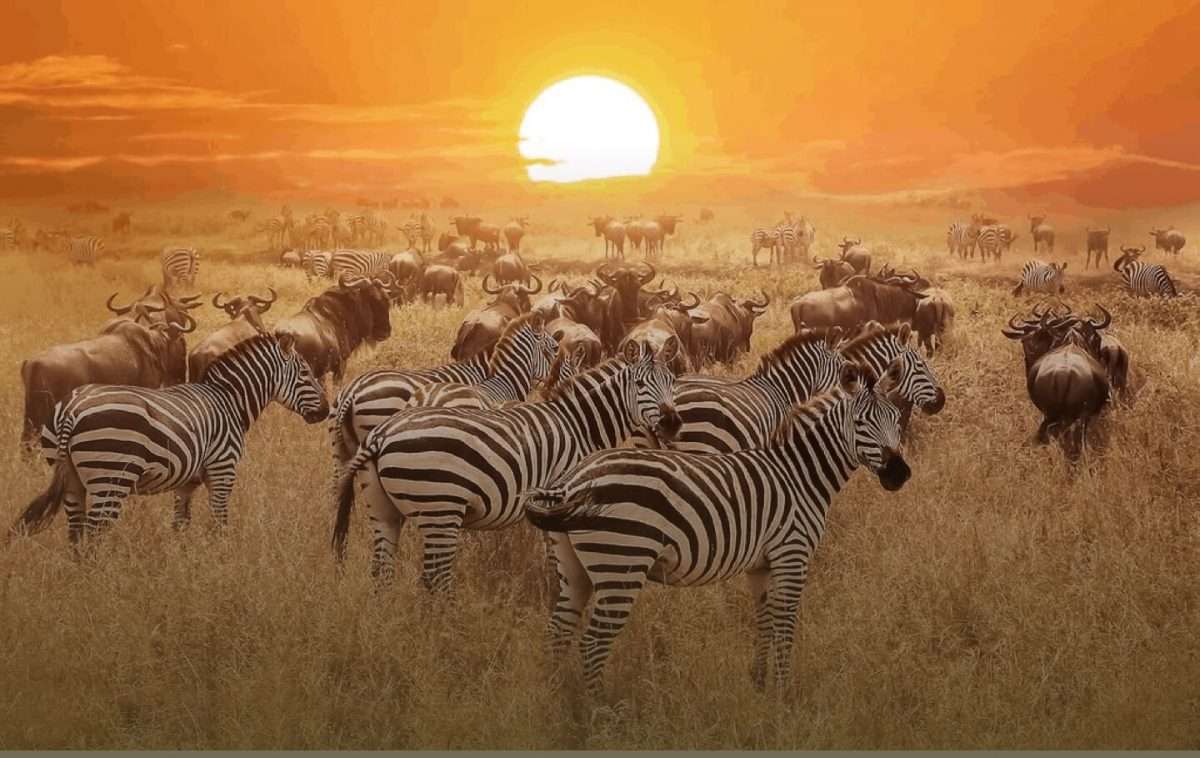
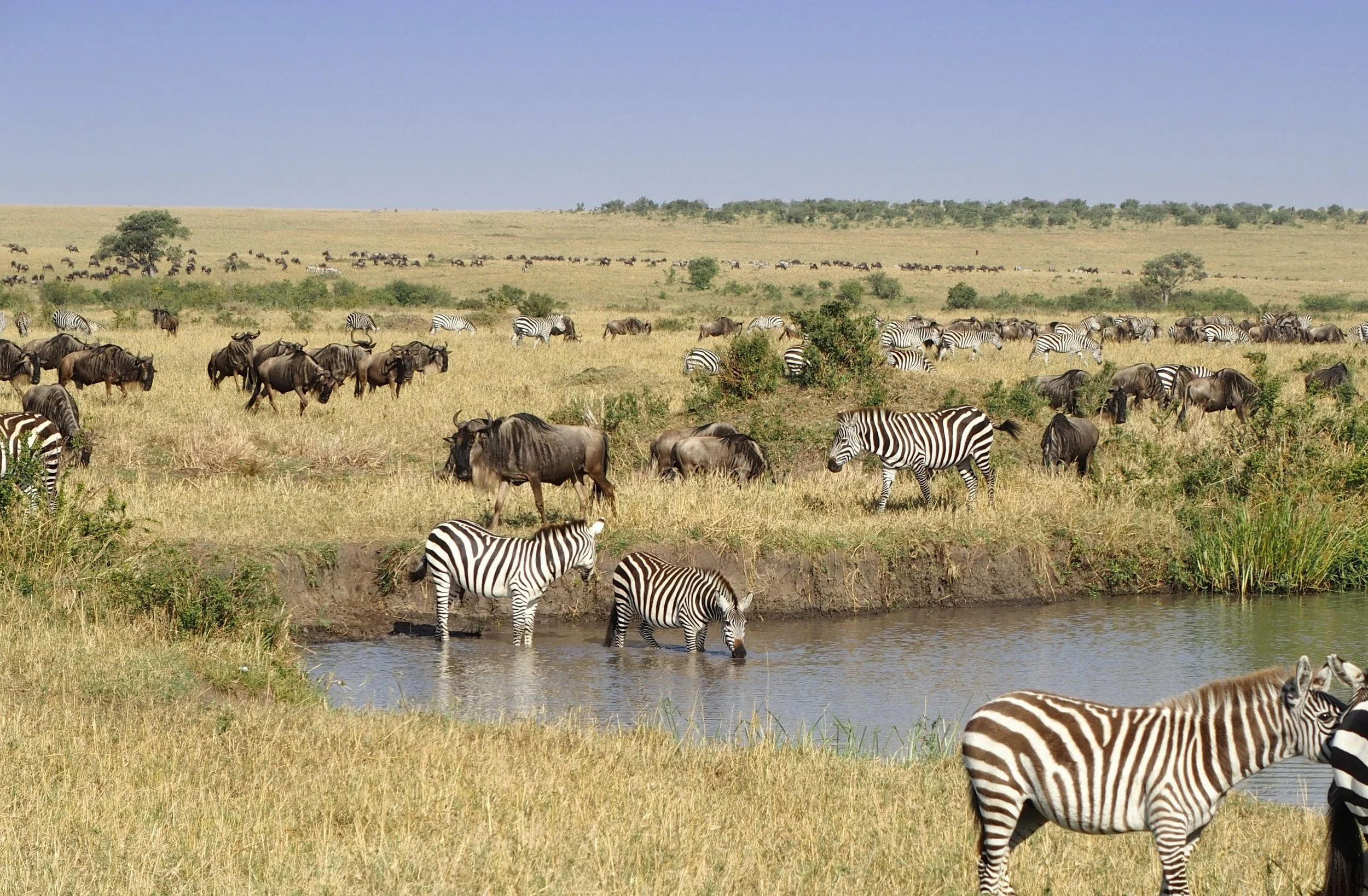
One of the most extraordinary spectacles within Masai Mara National Reserve is the Great Migration. Each year, between July and October, millions of wildebeests and zebras cross from Tanzania’s Serengeti into Kenya’s Mara in search of fresh grazing. Dramatic river crossings at the Mara River, where crocodiles lie in wait, create one of nature’s most breathtaking wildlife events.
Bird enthusiasts will also find Masai Mara National Reserve rewarding, as it boasts more than 450 recorded bird species. From majestic martial eagles soaring overhead to colorful lilac-breasted rollers perched on branches, avian diversity adds depth to the safari experience.
Things to Do in Masai Mara National Reserve
Game drives are the highlight of any visit to Masai Mara National Reserve. Morning and evening safaris offer optimal wildlife viewing opportunities when animals are most active. Experienced guides from Tanzania Uganda Safaris interpret animal behavior, track predators, and provide detailed ecological insights that enhance every outing.
Hot air balloon safaris provide a breathtaking aerial perspective of the reserve. Floating silently above the plains at sunrise offers panoramic views of wildlife herds and the vast landscape below. This once-in-a-lifetime experience concludes with a bush breakfast in the wilderness. Cultural visits to Maasai villages allow travelers to engage with local traditions, learn about pastoral lifestyles, and witness traditional dances. Guided nature walks in conservancies surrounding Masai Mara National Reserve offer close encounters with smaller wildlife and plant species while deepening appreciation for the ecosystem.
Masai Mara National Reserve
Best Time to Visit Masai Mara National Reserve
Masai Mara National Reserve can be visited year-round, though the best time depends on traveler preferences. The dry season from June to October provides excellent wildlife visibility as animals gather around water sources. This period also coincides with the Great Migration, making it the most popular time for visitors. The green season from November to May transforms Masai Mara National Reserve into a lush landscape filled with newborn animals and migratory birds. While occasional rains occur, this season offers fewer crowds and exceptional photographic opportunities due to dramatic skies and vibrant scenery.
What to Pack for Masai Mara National Reserve
Packing appropriately ensures comfort throughout your safari. Lightweight clothing in neutral colors such as beige, khaki, and olive is recommended. Essential items include sunscreen, sunglasses, a wide-brimmed hat, insect repellent, and a reusable water bottle. Binoculars enhance wildlife viewing, especially for distant animals and birdwatching. A quality camera with extra batteries and memory cards allows you to capture unforgettable moments in Masai Mara National Reserve. A small daypack is useful for carrying personal essentials during game drives.
What to Wear in Masai Mara National Reserve
Comfortable safari attire is key to enjoying Masai Mara National Reserve. Long-sleeved shirts and trousers provide protection from sun exposure and insects. Early morning and evening game drives may be cool, so a light jacket or fleece is advisable. Sturdy closed shoes or comfortable walking boots are suitable for bush walks and uneven terrain. Avoid bright colors that may disturb wildlife; neutral tones blend naturally into the environment. Dressing in layers allows flexibility as temperatures shift throughout the day.
 In Conclusion:
Masai Mara National Reserve remains one of Africa’s most extraordinary safari destinations, offering unmatched wildlife encounters, dramatic landscapes, and rich cultural heritage. From witnessing the Great Migration to observing predators in action, every moment in Masai Mara National Reserve delivers adventure and inspiration. At Tanzania Uganda Safaris, we design expertly guided safaris that combine comfort, authenticity, and conservation responsibility, ensuring your journey into this iconic reserve becomes a lifelong memory.