
Mkomazi National Park
Mkomazi National Park stands as one of Tanzania’s most underrated yet ecologically significant wildlife destinations. Situated in northeastern Tanzania along the Kenyan border, this remarkable protected area forms part of the vast Tsavo-Mkomazi ecosystem, creating an important transboundary wildlife corridor. Covering approximately 3,200 square kilometers, Mkomazi National Park offers visitors a quiet, uncrowded safari experience far from the busy tourist circuits. At Tanzania Uganda Safaris, we introduce travelers to Mkomazi National Park as a destination defined by raw beauty, rare species conservation, and dramatic semi-arid landscapes framed by the Pare and Usambara mountain ranges.
The Origin and History of Mkomazi National Park
Mkomazi National Park was initially established as a game reserve in 1951 to safeguard its fragile savannah ecosystem and wildlife populations. In 2006, it was officially upgraded to national park status, strengthening conservation protection and management efforts. The name “Mkomazi” originates from a Pare word meaning “little water,” reflecting the semi-arid climate that shapes much of the park’s terrain.
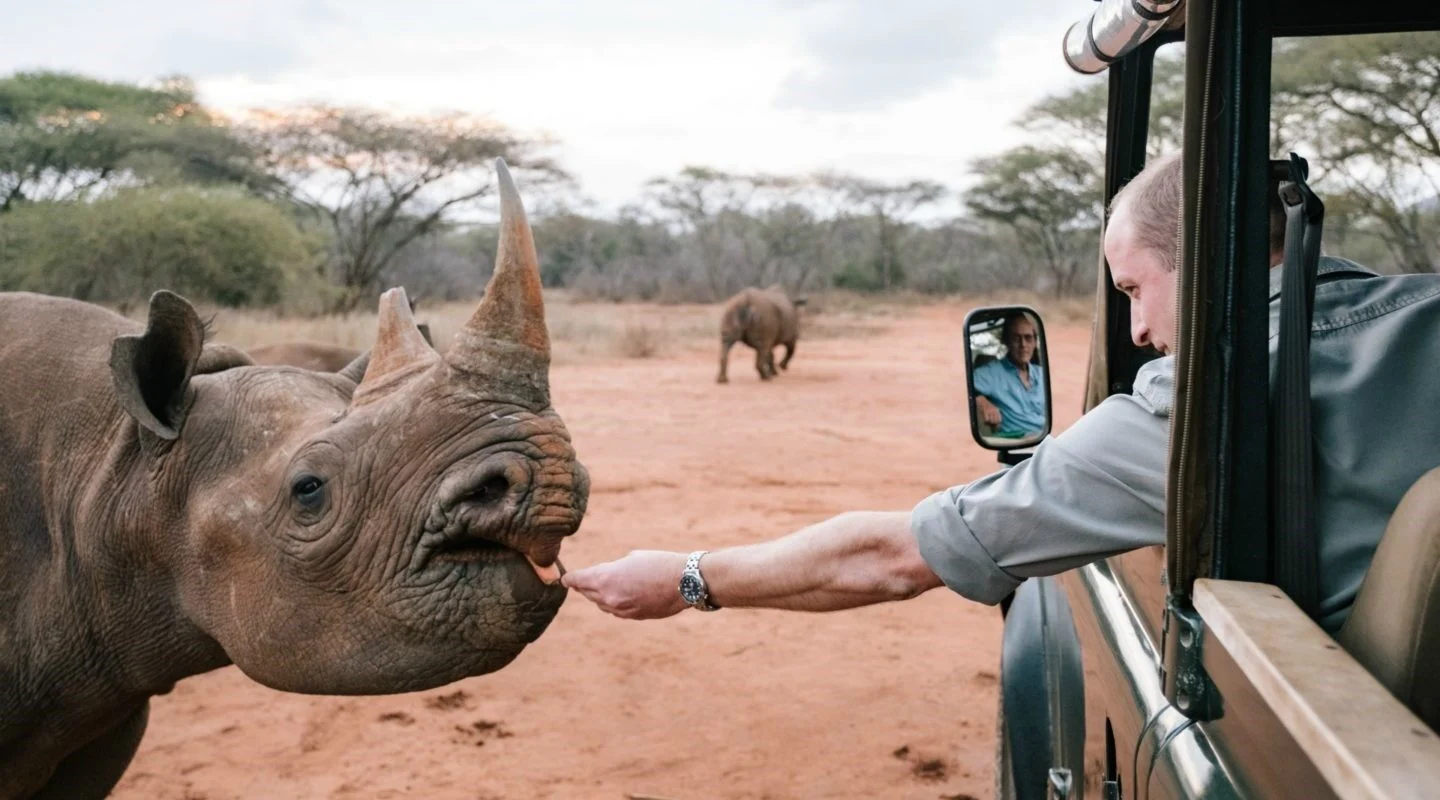
Conservation initiatives within Mkomazi National Park have gained international recognition, particularly for the successful reintroduction of endangered species such as the black rhinoceros and African wild dog. Carefully managed breeding programs and strict anti-poaching measures have allowed these rare animals to recover in a secure environment. Today, Mkomazi National Park represents a powerful example of Tanzania’s commitment to biodiversity preservation.
What to See in Mkomazi National Park
Mkomazi National Park is famous for its conservation sanctuary dedicated to black rhinos, offering visitors a rare opportunity to observe these critically endangered animals in a protected setting. The African wild dog, one of the continent’s most threatened predators, also thrives here thanks to specialized breeding and monitoring programs.
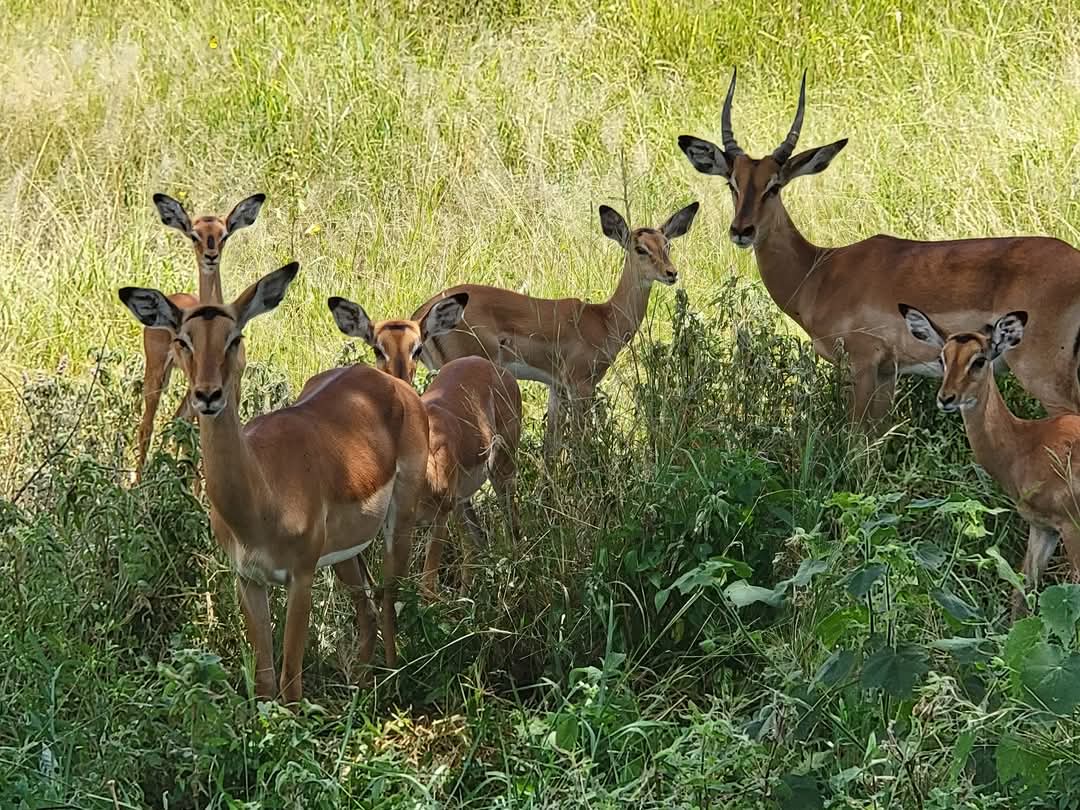
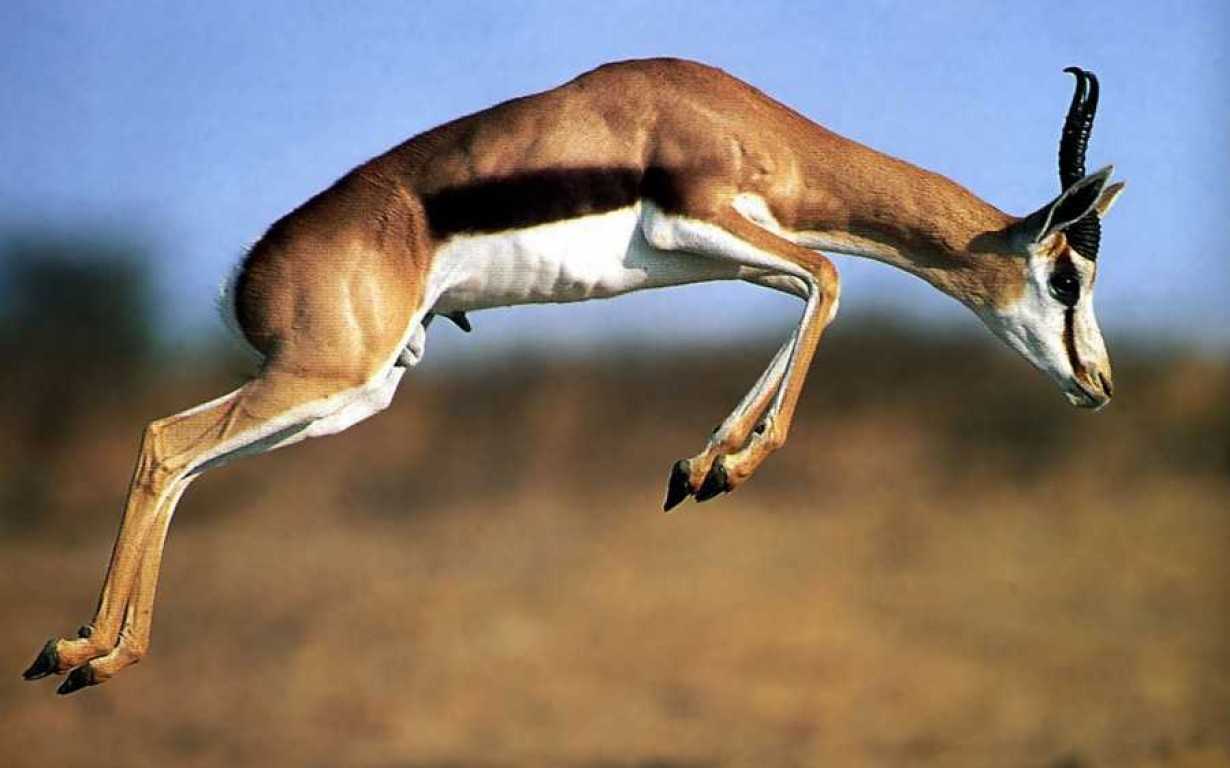
Beyond these flagship species, the park supports elephants, giraffes, zebras, buffaloes, hartebeests, elands, and lesser kudus. Lions and leopards roam the savannah, though sightings require patience due to the park’s expansive terrain. The open plains are dotted with acacia trees and baobabs, creating classic East African scenery.
Birdlife in Mkomazi National Park is equally impressive, with more than 450 recorded species. Bird enthusiasts may spot secretary birds striding across grasslands, ostriches roaming freely, and vibrant lilac-breasted rollers perched on branches. The nearby mountain ranges add dramatic backdrops, enhancing photographic opportunities.
Mkomazi National Park
Things to Do in Mkomazi National Park
Game drives remain the primary activity within Mkomazi National Park. Guided excursions led by knowledgeable rangers from Tanzania Uganda Safaris allow guests to explore remote corners of the park while learning about its conservation success stories. Morning and late afternoon drives provide optimal wildlife viewing conditions and cooler temperatures.
Rhino tracking within the protected sanctuary is a highlight, offering educational insights into anti-poaching efforts and species recovery programs. This guided experience emphasizes conservation awareness while delivering unforgettable wildlife encounters.
Birdwatching tours appeal to both amateur and experienced ornithologists, particularly during the wet season when migratory birds arrive. Landscape photography also flourishes here, as the contrast between golden plains and distant mountain peaks creates stunning compositions.
Best Time to Visit Mkomazi National Park
Mkomazi National Park can be visited year-round, but the dry season from June to October offers the best wildlife viewing opportunities. During these months, animals gather around limited water sources, increasing the chances of sightings. Vegetation becomes thinner, making it easier to spot wildlife across the plains. The rainy season from November to May transforms the park into a greener landscape, which is ideal for birdwatching and scenic beauty. However, some roads may become challenging during heavy rains, making a guided safari with experienced operators essential.
What to Pack for Mkomazi National Park
Preparation enhances comfort during your safari in Mkomazi National Park. Lightweight clothing made from breathable fabrics is highly recommended due to the warm climate. Neutral-colored outfits such as khaki, brown, and olive help blend into the environment and avoid attracting insects.
Essential packing items include sunscreen, sunglasses, a wide-brimmed hat, insect repellent, and a reusable water bottle. Binoculars are particularly valuable for spotting distant wildlife across the open savannah. A camera with extra batteries and memory cards ensures you capture memorable moments.
What to Wear in Mkomazi National Park
Appropriate attire ensures both comfort and practicality. Long-sleeved shirts and trousers provide protection against sun exposure and insects. Early morning game drives may feel cool, so carrying a light jacket or fleece is advisable. Comfortable closed walking shoes or sturdy safari boots are suitable for game drives and short guided walks. Avoid bright colors, as muted tones maintain harmony with the natural surroundings and minimize disturbance to wildlife.
In Conclusion:
Mkomazi National Park offers a distinctive safari experience shaped by conservation excellence, rare wildlife, and breathtaking semi-arid landscapes. From tracking black rhinos to observing African wild dogs and exploring vast open plains, every moment within Mkomazi National Park reveals Tanzania’s commitment to protecting its natural heritage. At Tanzania Uganda Safaris, we design carefully guided safaris that showcase the park’s uniqueness while ensuring safety, comfort, and meaningful wildlife encounters in one of East Africa’s most remarkable hidden treasures.