
Ruaha National Park
Ruaha National Park is Tanzania’s largest national park and one of Africa’s most remote and unspoiled safari destinations. Located in central Tanzania, this vast protected area covers more than 20,000 square kilometers and forms part of the greater Rungwa-Kizigo-Muhesi ecosystem. Unlike the more frequented parks of northern Tanzania, Ruaha National Park offers a raw, authentic wilderness experience characterized by dramatic landscapes, diverse wildlife, and fewer crowds. At Tanzania Uganda Safaris, we present Ruaha National Park as the ideal choice for travelers seeking exclusivity, adventure, and extraordinary wildlife encounters in a truly wild setting.
The Origin and History of Ruaha National Park
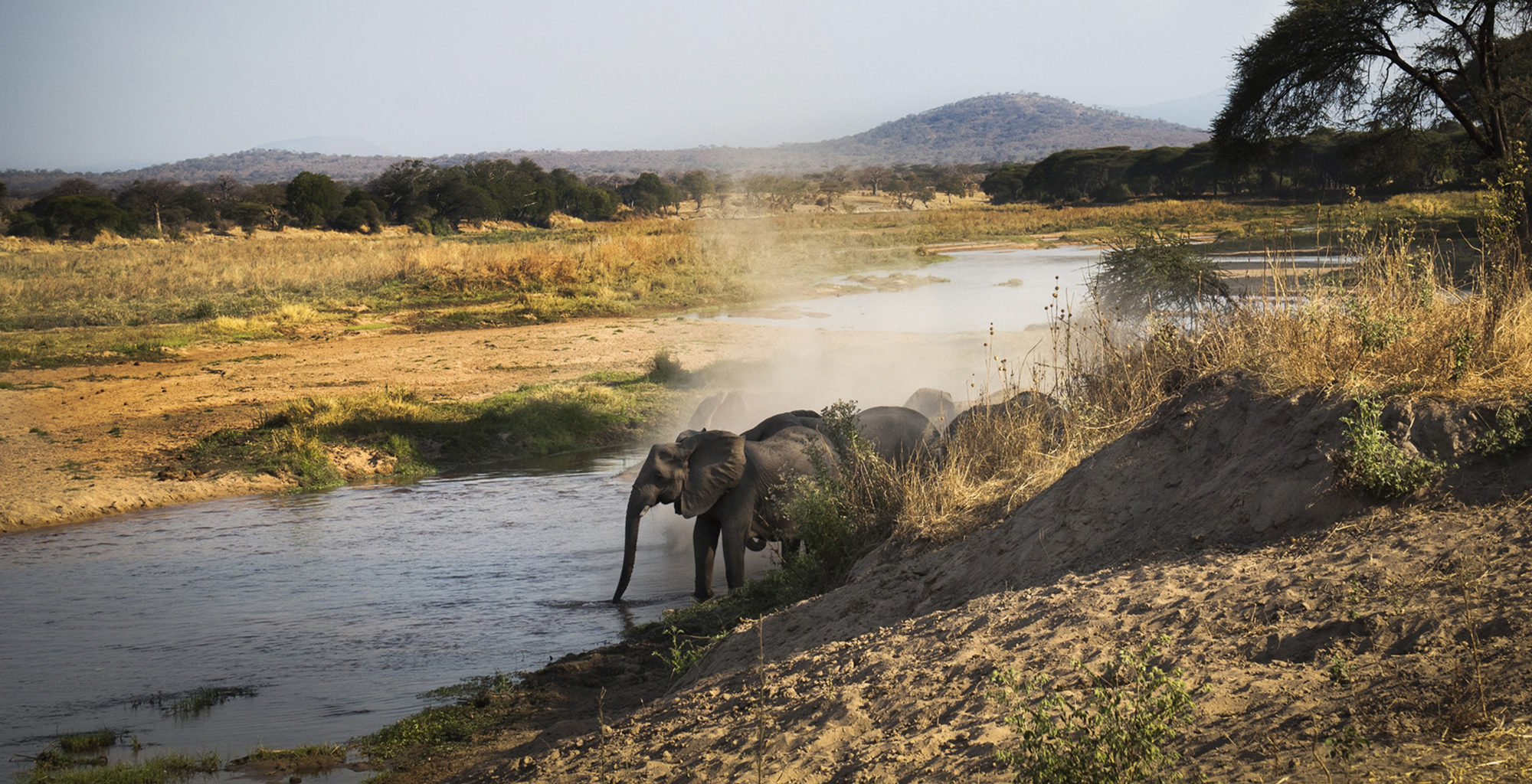
Ruaha National Park was officially gazetted in 1964, evolving from the former Rungwa Game Reserve. Conservation efforts were introduced to protect the rich biodiversity supported by the Great Ruaha River, the park’s lifeline. The river flows along the southeastern boundary and sustains wildlife throughout the year, particularly during the dry season when water becomes scarce in surrounding areas.
The park takes its name from the Hehe word “Ruvaha,” meaning river, reflecting the central importance of water to this ecosystem. Over the decades, Ruaha National Park expanded in size and significance, eventually becoming Tanzania’s largest national park. Today, it stands as a symbol of successful conservation, protecting critical habitats for elephants, predators, and numerous bird species.
What to See in Ruaha National Park
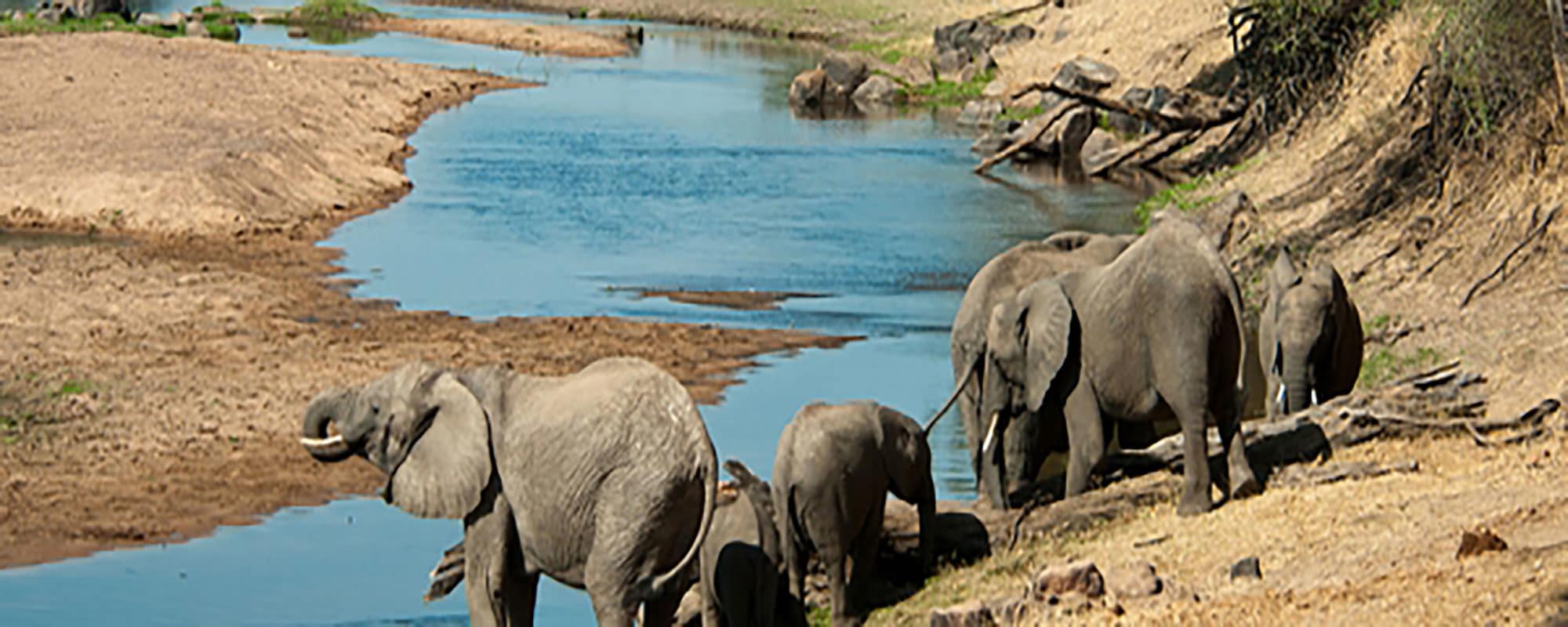
Ruaha National Park is renowned for its remarkable elephant population, one of the largest in East Africa. Massive herds gather along the Great Ruaha River, offering spectacular viewing opportunities. In addition to elephants, the park hosts a high concentration of predators, including lions, leopards, cheetahs, and African wild dogs. Ruaha’s lion population is particularly impressive, often seen in large prides resting beneath baobab trees.
The landscape of Ruaha National Park is strikingly diverse, featuring rolling hills, rocky outcrops known as kopjes, vast savannah plains, and iconic baobab trees that dominate the horizon. Visitors can observe giraffes, zebras, buffaloes, kudu, sable antelopes, and impalas across the open grasslands. Bird enthusiasts will find Ruaha National Park especially rewarding, as it boasts over 570 recorded bird species, making it a prime destination for birdwatching.
Things to Do in Ruaha National Park
Game drives are the highlight of any safari in Ruaha National Park. Early morning and late afternoon drives maximize wildlife sightings and provide dramatic lighting for photography. Experienced guides from Tanzania Uganda Safaris enhance each excursion by sharing insights into animal behavior and the park’s ecology.
Walking safaris offer a unique way to explore the wilderness on foot under the guidance of armed rangers. These guided walks allow visitors to learn about animal tracks, plant species, and the smaller details of the ecosystem that are often missed during vehicle safaris.
Birdwatching is another rewarding activity, especially along riverbanks and wetlands where colorful species thrive. Photography enthusiasts will appreciate the park’s dramatic scenery and natural light, ideal for capturing iconic African landscapes.
Best Time to Visit Ruaha National Park
Ruaha National Park can be visited year-round, but the best wildlife viewing occurs during the dry season from June to October. During this time, animals congregate near the Great Ruaha River, making sightings more predictable and frequent. Vegetation is less dense, improving visibility for game drives.
The wet season, from November to April, transforms the park into a lush green landscape. Although wildlife disperses due to abundant water sources, this period is excellent for birdwatching and scenic photography. Travelers seeking fewer visitors and vibrant scenery may prefer the green season.
What to Pack for Ruaha National Park
Packing wisely enhances comfort and enjoyment during your safari. Lightweight, breathable clothing in neutral colors such as khaki, olive, or beige is recommended. Essential items include sunscreen, sunglasses, a wide-brimmed hat, insect repellent, and a reusable water bottle.
Binoculars are highly recommended for wildlife viewing and birdwatching. A good camera with extra batteries and memory cards ensures you capture memorable moments. A small backpack is useful for carrying personal items during game drives or walking safaris.
What to Wear in Ruaha National Park
Appropriate safari attire is essential in Ruaha National Park. Long-sleeved shirts and trousers protect against sun exposure and insects. Early mornings and evenings can be cool, so a light jacket or fleece is advisable. Comfortable closed shoes are suitable for walking safaris and uneven terrain. Avoid bright colors, as neutral tones blend better with the environment and minimize disturbance to wildlife.
 In Conclusion:
Ruaha National Park offers an unmatched safari experience defined by vast landscapes, abundant wildlife, and true wilderness solitude. From massive elephant herds and powerful lion prides to breathtaking river scenery and remarkable birdlife, every moment in Ruaha National Park delivers authentic African adventure. At Tanzania Uganda Safaris, we design expertly guided safaris that highlight the park’s untamed beauty while ensuring comfort, safety, and unforgettable memories in one of Tanzania’s most spectacular national parks.