
Tarangire National Park
Tarangire National Park is one of Tanzania’s most captivating safari destinations, celebrated for its vast elephant herds, ancient baobab trees, and authentic wilderness atmosphere. Located in northern Tanzania, approximately 120 kilometers southwest of Arusha, Tarangire National Park covers about 2,850 square kilometers and forms a vital part of Tanzania’s renowned northern safari circuit. Although often overshadowed by Serengeti and Ngorongoro, Tarangire National Park offers a quieter, more intimate safari experience rich in biodiversity and scenic beauty. At Tanzania Uganda Safaris, we consider Tarangire National Park a hidden gem that rewards travelers with dramatic landscapes and exceptional wildlife encounters.
The Origin and History of Tarangire National Park
Tarangire National Park was officially established in 1970, evolving from a former hunting concession into a protected conservation area. The park derives its name from the Tarangire River, a lifeline that sustains wildlife throughout the year, especially during the dry season. Conservation efforts were introduced to safeguard the region’s rich wildlife populations and to protect migratory routes used by elephants and other species moving between ecosystems. Since its establishment, Tarangire National Park has become internationally recognized for its large elephant population, which is among the highest concentrations in Tanzania. Today, the park stands as an important conservation success story, balancing tourism, wildlife protection, and community engagement. Sustainable safari operations ensure that visitors experience the park responsibly while contributing to local conservation initiatives.
What to See in Tarangire National Park
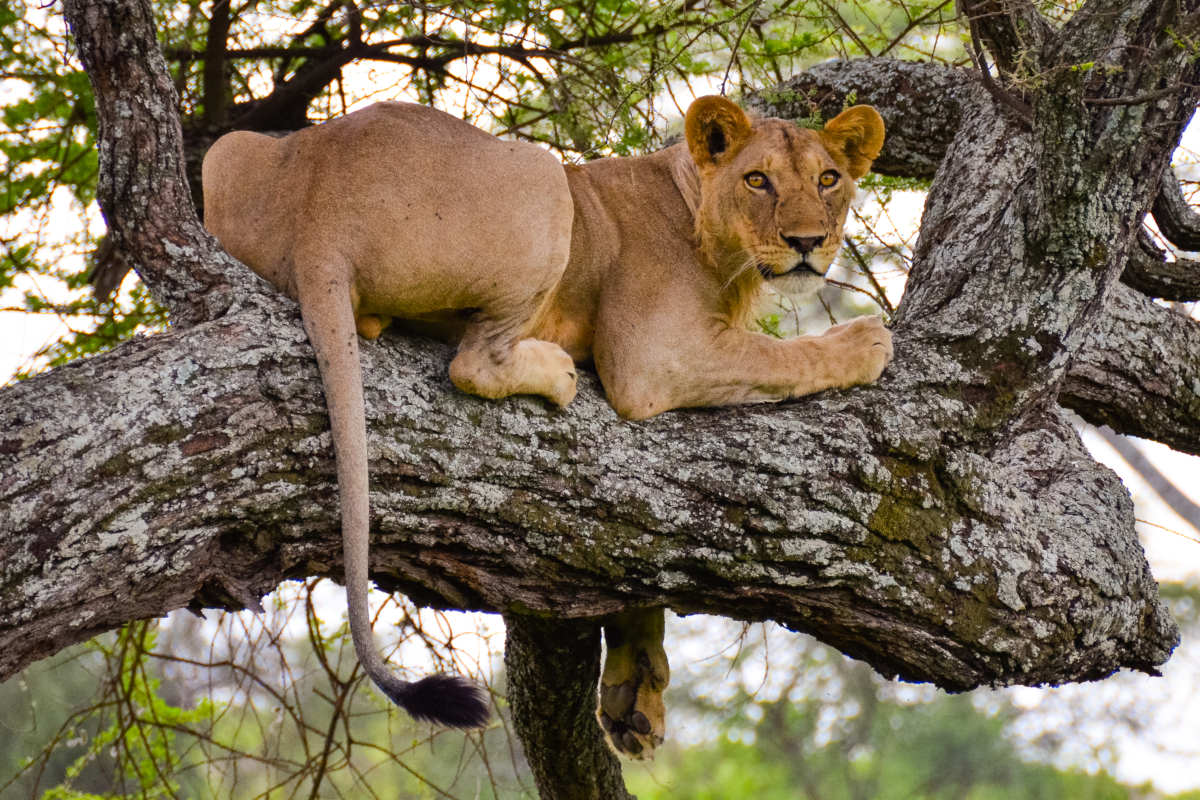
Tarangire National Park is most famous for its impressive elephant herds, often seen gathering in large numbers along the Tarangire River. These majestic animals roam freely across the savannah, creating unforgettable safari moments. In addition to elephants, the park is home to lions, leopards, cheetahs, and hyenas, making predator sightings possible throughout the year.
The landscape of Tarangire National Park is uniquely characterized by massive baobab trees, some centuries old, which dominate the skyline and provide striking photographic backdrops. Visitors can also spot giraffes, zebras, wildebeests, buffaloes, and various antelope species such as elands and waterbucks. Bird enthusiasts will find Tarangire National Park particularly rewarding, as it hosts over 550 recorded bird species. From colorful lilac-breasted rollers and yellow-collared lovebirds to ostriches and martial eagles, the park is a paradise for birdwatchers. Seasonal swamps within the park attract migratory species, adding diversity to the birdlife.
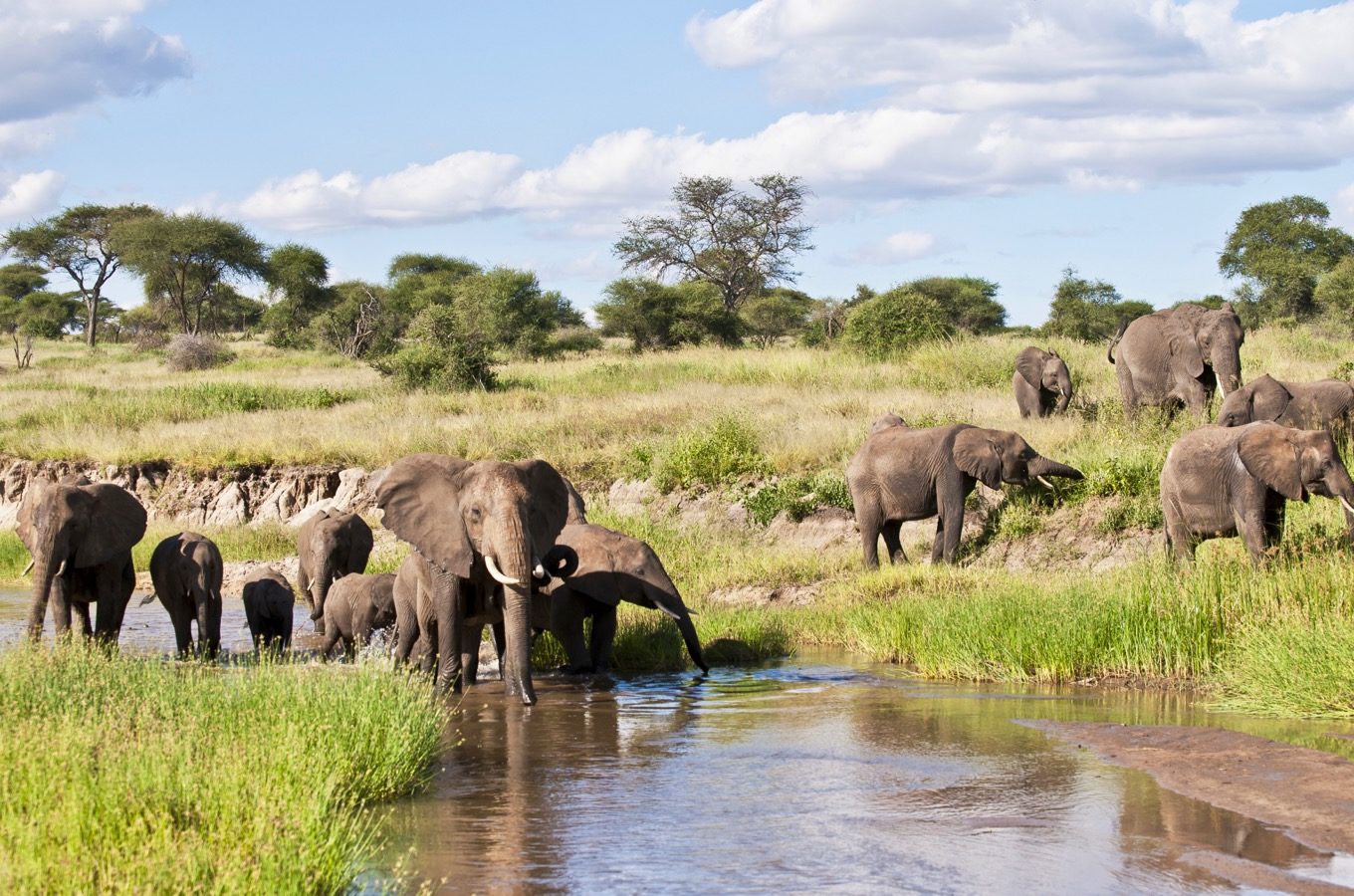
Tarangire National Park.
Things to Do in Tarangire National Park
Game drives are the highlight of any visit to Tarangire National Park. Morning and afternoon drives offer opportunities to witness wildlife interactions and observe animals gathering near water sources. Experienced guides from Tanzania Uganda Safaris enhance each safari by sharing insights into animal behavior and ecosystem dynamics. Walking safaris, conducted in designated areas under ranger supervision, allow visitors to explore the park on foot and learn about its flora, smaller wildlife, and tracking techniques. Birdwatching excursions provide a specialized focus for enthusiasts eager to discover rare and endemic species. Cultural visits to nearby Maasai communities offer meaningful interactions that deepen the safari experience. Guests can learn about traditional pastoral lifestyles, local crafts, and the harmonious coexistence between communities and wildlife around Tarangire National Park.
Best Time to Visit Tarangire National Park
Tarangire National Park can be visited year-round, but the best wildlife viewing occurs during the dry season from June to October. During this period, animals congregate along the Tarangire River, making sightings more predictable and dramatic. The dry landscape also enhances visibility for photography. The wet season, from November to May, transforms Tarangire National Park into a lush green haven. Although wildlife disperses due to abundant water sources, this period is ideal for birdwatching and enjoying scenic beauty with fewer tourists. Both seasons offer distinct advantages depending on travel preferences.
What to Pack for Tarangire National Park
Packing wisely ensures comfort during your safari in Tarangire National Park. Lightweight, breathable clothing is recommended for warm daytime temperatures. Neutral-colored outfits such as khaki, beige, and olive green are ideal for blending into the environment. Travel essentials include sunscreen, sunglasses, a wide-brimmed hat, insect repellent, binoculars, and a camera with spare batteries. A reusable water bottle helps maintain hydration during game drives, while a small backpack is useful for carrying personal items.
What to Wear in Tarangire National Park
Clothing for Tarangire National Park should be practical and comfortable. Long-sleeved shirts and trousers provide protection from the sun and insects. Early mornings and evenings can be cool, so packing a light jacket or fleece is advisable. Comfortable closed shoes are suitable for game drives and walking safaris. Bright colors should be avoided to prevent disturbing wildlife, and neutral tones are preferred for a classic safari look.
 Final Thoughts
Tarangire National Park offers a distinctive safari experience defined by towering baobabs, vast elephant herds, rich birdlife, and peaceful wilderness. From thrilling game drives to cultural encounters and scenic landscapes, every moment in Tarangire National Park captures the spirit of authentic African adventure. At Tanzania Uganda Safaris, we are committed to delivering expertly guided safaris that combine comfort, conservation, and unforgettable wildlife experiences in one of Tanzania’s most remarkable national parks.