
Lake Manyara National Park
Lake Manyara National Park is one of Tanzania’s most picturesque and ecologically diverse safari destinations, offering visitors a compact yet richly rewarding wildlife experience. Located at the base of the Great Rift Valley escarpment in northern Tanzania, Lake Manyara National Park covers approximately 330 square kilometers, nearly two-thirds of which is occupied by the alkaline Lake Manyara itself. Established in 1960, the park was originally created to protect its diverse habitats and abundant wildlife, particularly elephants and bird species that thrive along the lake’s shores. At Tanzania Uganda Safaris, we introduce Lake Manyara National Park as an ideal safari destination for travelers seeking dramatic landscapes, varied ecosystems, and unforgettable wildlife encounters within a relatively accessible area.
The Origin and History of Lake Manyara National Park
Lake Manyara National Park was gazetted as a national park in 1960, evolving from a colonial-era game reserve. Conservation efforts were driven by the need to safeguard the lake’s fragile ecosystem and its rich biodiversity. Over time, Lake Manyara National Park gained recognition for its ecological importance, particularly as a vital habitat for flamingos and other waterbirds. The park forms part of Tanzania’s renowned northern safari circuit, often combined with Serengeti National Park, Ngorongoro Crater, and Tarangire National Park. Its strategic location between Arusha and the Ngorongoro Highlands makes it an essential stop for travelers exploring northern Tanzania. Today, Lake Manyara National Park stands as a model of conservation success, balancing tourism with environmental protection and community involvement.
What to See in Lake Manyara National Park
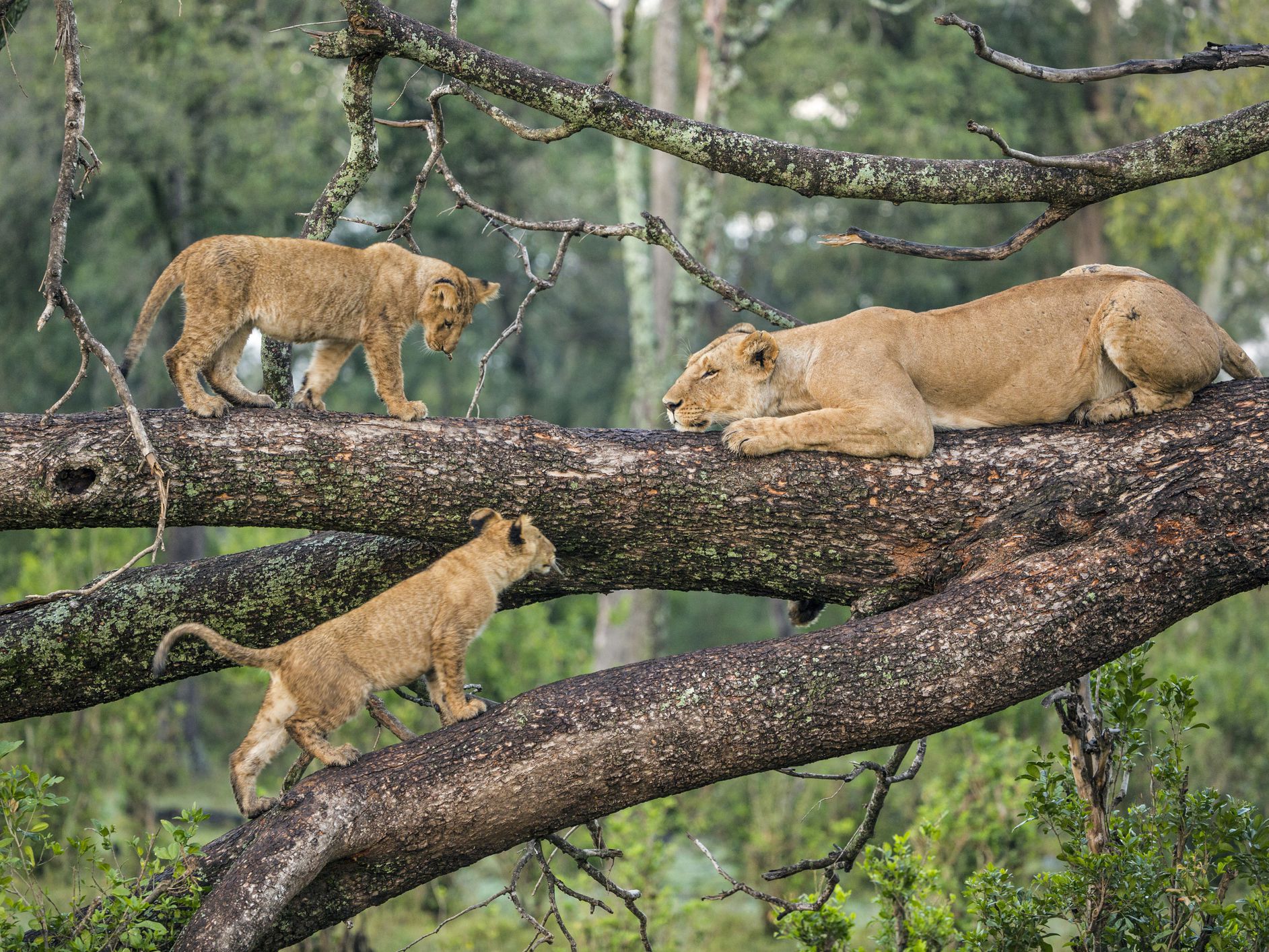
Lake Manyara National Park is famous for its tree-climbing lions, a rare behavior observed in only a few regions in Africa. These lions are often seen lounging in acacia branches, providing unique photographic opportunities. The park is also home to large herds of elephants, frequently encountered in forested areas near the park entrance.
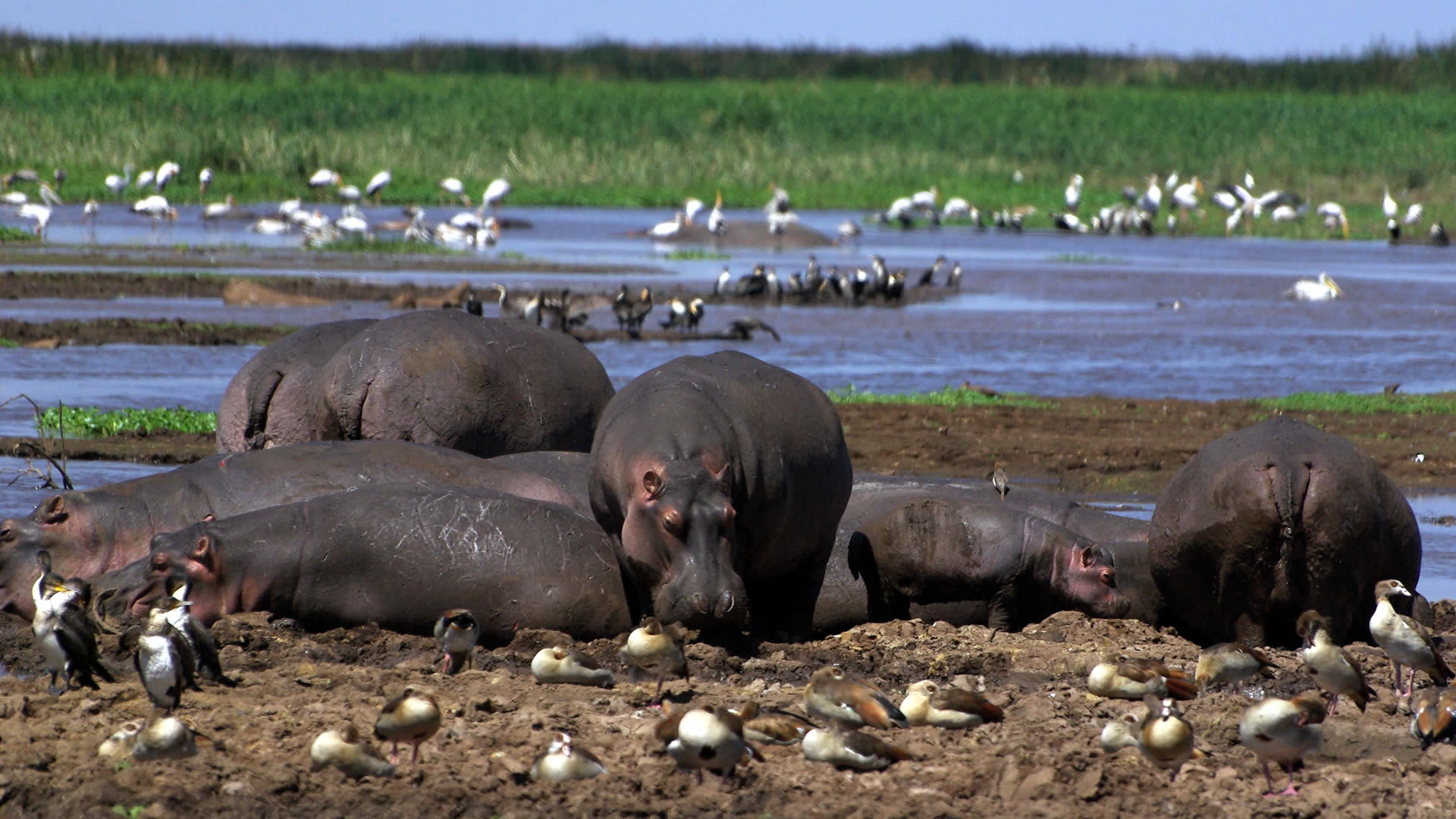
The alkaline Lake Manyara attracts thousands of flamingos during certain seasons, creating a stunning pink fringe along the shoreline. In addition to flamingos, the park hosts over 400 bird species, including pelicans, storks, herons, hornbills, and kingfishers, making Lake Manyara National Park a paradise for birdwatchers. Wildlife enthusiasts can also spot giraffes, zebras, wildebeests, buffaloes, hippos, and various antelope species. The park’s diverse habitats—groundwater forests, open grasslands, swamps, and hot springs—create a dynamic and scenic environment ideal for photography and exploration.
Things to Do in Lake Manyara National Park
Game drives are the main activity in Lake Manyara National Park, offering opportunities to explore different ecosystems within a short distance. Early morning and late afternoon drives maximize wildlife sightings and provide optimal lighting for photography. Canoeing safaris on Lake Manyara, when water levels permit, allow visitors to glide close to waterbirds and observe wildlife from a unique perspective. Guided walking safaris introduce travelers to the park’s smaller wildlife, plant species, and ecological features under expert supervision. Visitors can also explore the park’s hot springs, known as Maji Moto, located in the southern region. Cultural visits to nearby Maasai communities enrich the safari experience by offering insights into traditional pastoral lifestyles and community conservation efforts.
Best Time to Visit Lake Manyara National Park
Lake Manyara National Park can be visited throughout the year, though the dry season from June to October is considered ideal for wildlife viewing. During this time, animals congregate near water sources, and vegetation is less dense, improving visibility. The wet season, from November to May, transforms Lake Manyara National Park into a lush green paradise. Birdwatching is especially rewarding during these months, as migratory species arrive and flamingo populations increase. While rainfall may occasionally affect access, the scenery becomes vibrant and picturesque.
What to Pack for Lake Manyara National Park
Packing appropriately enhances comfort while exploring Lake Manyara National Park. Lightweight, breathable clothing is recommended for warm daytime temperatures. Neutral-colored outfits such as khaki, olive, or beige help blend into the environment. Essential items include sunscreen, sunglasses, a wide-brimmed hat, insect repellent, binoculars, and a camera with spare batteries. A reusable water bottle is important to stay hydrated during game drives and walks. A small backpack is convenient for carrying personal items during excursions.
What to Wear in Lake Manyara National Park
Comfortable, practical attire is ideal for Lake Manyara National Park. Long-sleeved shirts and trousers protect against insects and sun exposure. Early mornings can be cool, so a light jacket or fleece is advisable. Closed, sturdy shoes are recommended for walking safaris and exploring uneven terrain. Bright colors should be avoided to prevent disturbing wildlife, and neutral tones are preferred for safari activities.
Lake Manyara National Park offers an exceptional blend of wildlife diversity, scenic beauty, and cultural richness within a compact and accessible setting. From tree-climbing lions and large elephant herds to flamingo-filled shores and dramatic Rift Valley views, every moment in Lake Manyara National Park delivers a memorable safari experience. At Tanzania Uganda Safaris, we craft personalized journeys to Lake Manyara National Park, ensuring expert guidance, comfort, and unforgettable encounters in one of Tanzania’s most captivating natural landscapes.