
Queen Elizabeth National Park
Queen Elizabeth National Park stands as one of Uganda’s most celebrated and diverse wildlife destinations, offering an exceptional blend of savannah plains, volcanic landscapes, crater lakes, and rich biodiversity. Located in western Uganda between Lake George and Lake Edward, Queen Elizabeth National Park spans approximately 1,978 square kilometers, making it one of the country’s largest and most scenic protected areas. Known for its tree-climbing lions, thriving hippo populations, and spectacular birdlife, Queen Elizabeth National Park presents a complete African safari experience. At Tanzania Uganda Safaris, we proudly guide travelers into this remarkable wilderness, where every journey reveals breathtaking scenery and unforgettable wildlife encounters.
The Origin of Queen Elizabeth National Park
The origin of Queen Elizabeth National Park dates back to 1952 when it was first established as Kazinga National Park. Two years later, in 1954, the park was renamed in honor of Queen Elizabeth II following her visit to Uganda. The renaming marked a significant moment in Uganda’s conservation history and elevated the park’s international recognition.
Originally created to protect its diverse ecosystems and wildlife from hunting and habitat loss, Queen Elizabeth National Park has grown into a cornerstone of Uganda’s tourism industry. Despite challenges during periods of political instability, conservation efforts have restored wildlife populations and strengthened environmental management. Today, Queen Elizabeth National Park represents a successful balance between conservation, community engagement, and sustainable tourism development. Tanzania Uganda Safaris supports responsible travel practices that ensure the park’s natural heritage continues to thrive for future generations.
What to See in Queen Elizabeth National Park
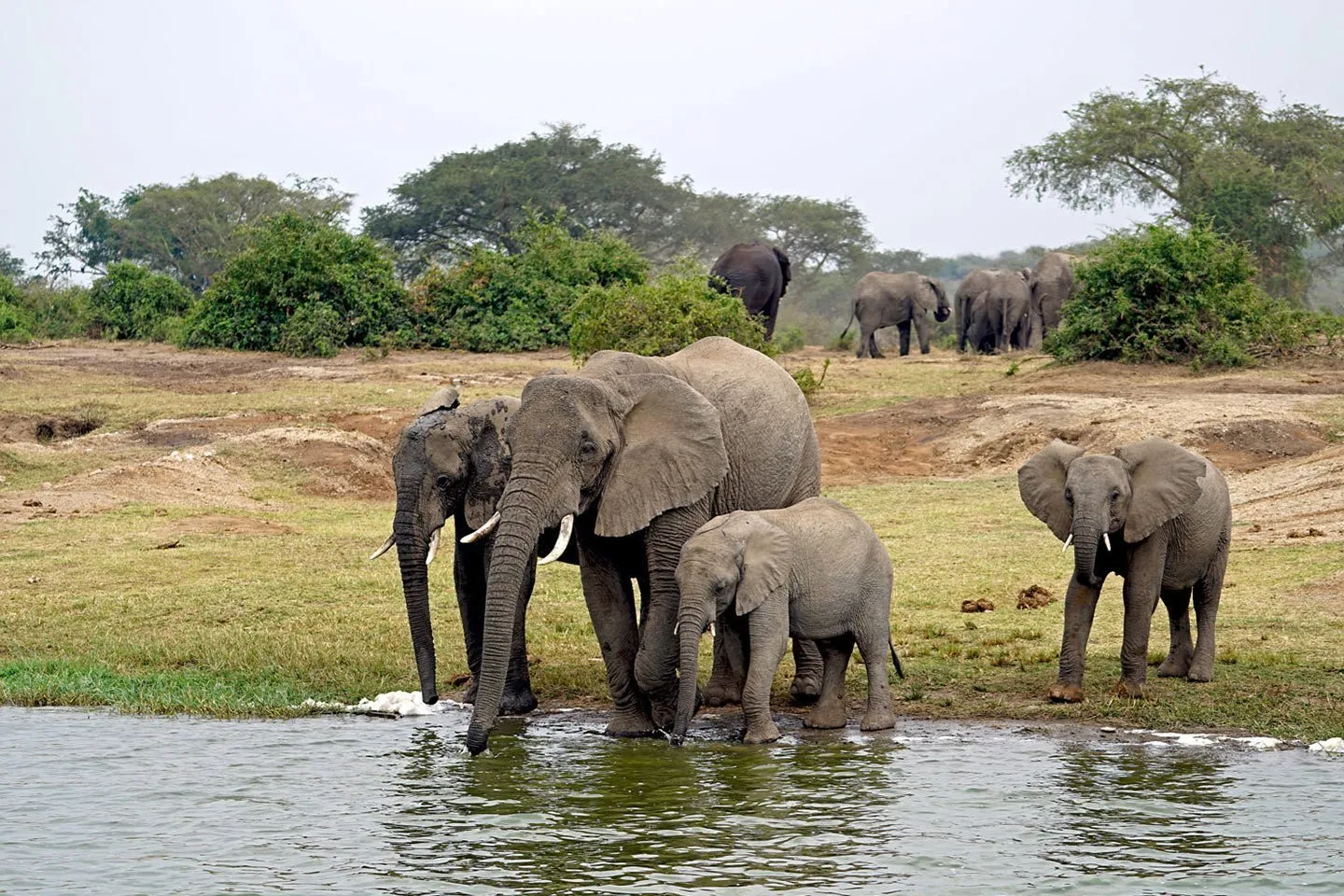
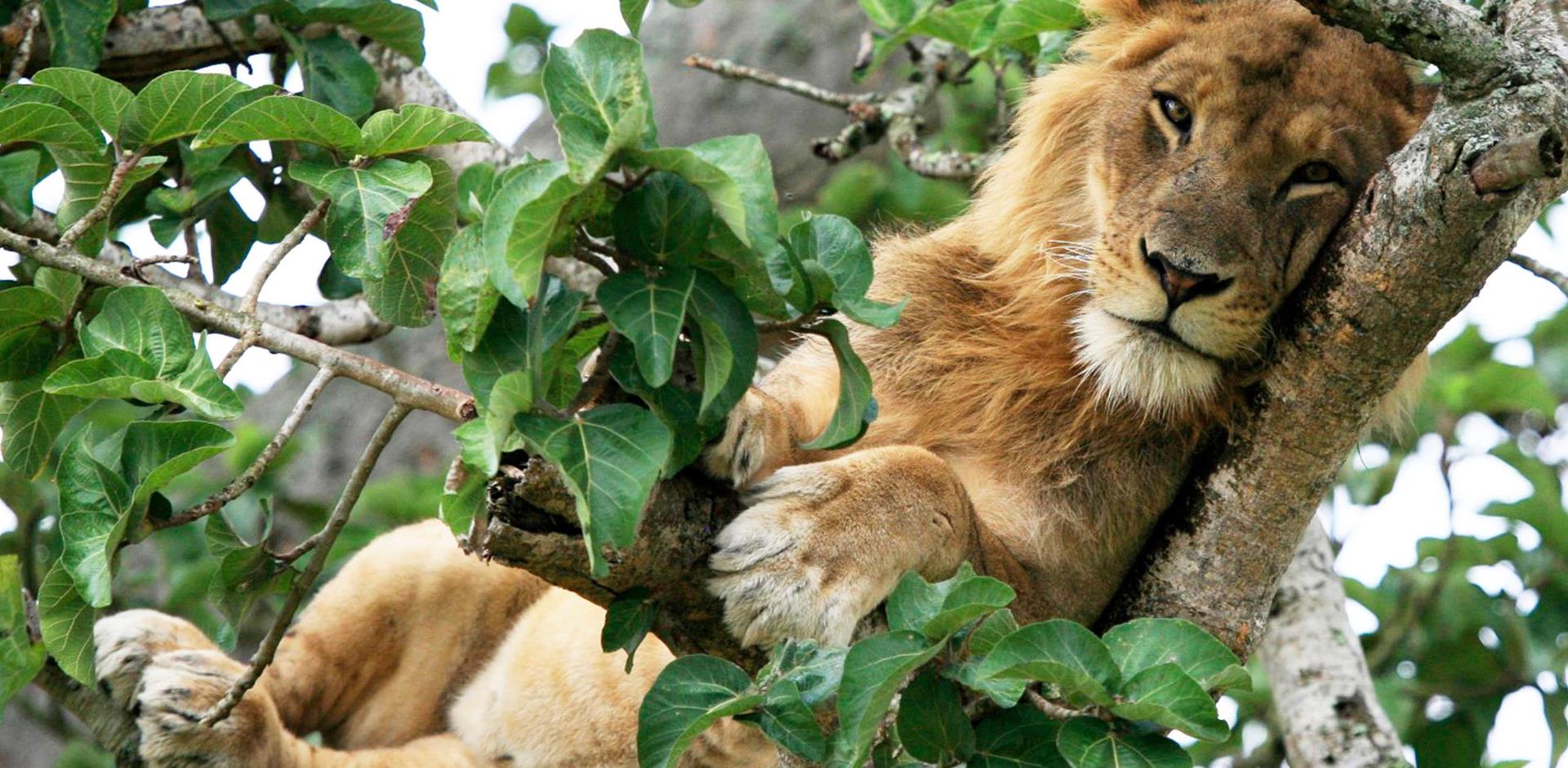
Queen Elizabeth National Park is renowned for its extraordinary biodiversity. The park is home to over 95 mammal species, including elephants, buffaloes, Uganda kobs, waterbucks, and warthogs. Predators such as lions and leopards roam the savannah, while the Ishasha sector in the southern region is internationally famous for its unique tree-climbing lions that rest in fig trees during the heat of the day.
The Kazinga Channel, a natural waterway connecting Lake George and Lake Edward, is one of the park’s most spectacular features. This channel hosts one of Africa’s highest concentrations of hippos, along with large Nile crocodiles and countless water birds. Birdwatchers visiting Queen Elizabeth National Park can observe more than 600 recorded bird species, including African fish eagles, saddle-billed storks, and pink-backed pelicans. Beyond wildlife, the park’s scenery is equally captivating. Rolling savannah plains, crater lakes formed by ancient volcanic activity, and the distant Rwenzori Mountains create a dramatic backdrop. The Kyambura Gorge, often referred to as the “Valley of Apes,” adds further ecological diversity to Queen Elizabeth National Park.
Things to Do in Queen Elizabeth National Park
Queen Elizabeth National Park offers a wide range of activities that cater to different travel interests. Game drives across the Kasenyi Plains provide excellent opportunities to spot lions, elephants, and large herds of antelope. Early morning and late afternoon drives are particularly rewarding, as wildlife is more active during cooler hours. Boat cruises along the Kazinga Channel are among the most popular activities in Queen Elizabeth National Park. These guided excursions offer close-up views of hippos, crocodiles, buffaloes, and numerous bird species along the water’s edge.
Chimpanzee tracking in Kyambura Gorge provides a unique forest experience within the savannah landscape. Guided treks through the gorge allow visitors to search for habituated chimpanzee communities while exploring a lush, tropical environment. Nature walks, crater lake tours, and cultural visits to local communities around Queen Elizabeth National Park further enrich the safari experience. At Tanzania Uganda Safaris, we carefully design itineraries that combine wildlife encounters, scenic exploration, and authentic cultural interaction.
Best Time to Visit Queen Elizabeth National Park
Queen Elizabeth National Park can be visited throughout the year, but the dry seasons are generally the best time for wildlife viewing. The main dry months occur from January to February and June to September. During these periods, animals gather around water sources, making sightings more predictable, and roads are easier to navigate. The rainy seasons, from March to May and October to November, bring lush green landscapes and fewer tourists. Although some tracks may become muddy, birdwatching is particularly rewarding during this time due to increased activity and migratory species. At Tanzania Uganda Safaris, we advise travelers based on their specific interests to ensure the best possible experience in Queen Elizabeth National Park.
Queen Elizabeth National Park
What to Pack for Queen Elizabeth National Park
Packing appropriately enhances comfort and enjoyment while exploring Queen Elizabeth National Park. Lightweight, breathable clothing is recommended due to warm daytime temperatures. Essentials include sunscreen, sunglasses, and a wide-brimmed hat for sun protection.
Comfortable walking shoes are ideal for nature walks and community visits, while closed shoes are suitable for game drives. Insect repellent is important, especially near water areas such as the Kazinga Channel. A reusable water bottle helps maintain hydration during safari activities. Binoculars are highly recommended for wildlife and bird viewing, and a quality camera ensures memorable moments are captured.
What to Wear in Queen Elizabeth National Park
When visiting Queen Elizabeth National Park, neutral-colored clothing such as khaki, beige, or olive green is recommended to blend with the natural surroundings. Bright colors should be avoided during wildlife activities. Lightweight long-sleeved shirts and trousers provide protection from both sun exposure and insects. Early mornings and evenings can be slightly cool, so a light jacket or fleece is advisable. Comfortable safari attire allows visitors to fully enjoy the diverse activities within Queen Elizabeth National Park.
In Conclusion
Queen Elizabeth National Park remains one of Uganda’s most iconic safari destinations, offering a rich combination of wildlife, landscapes, and cultural experiences. From tree-climbing lions and boat cruises along the Kazinga Channel to scenic crater lakes and chimpanzee tracking, every visit reveals a different side of Uganda’s natural beauty. At Tanzania Uganda Safaris, we invite you to discover Queen Elizabeth National Park through expertly guided journeys designed to create lasting memories and meaningful connections with Africa’s wilderness.